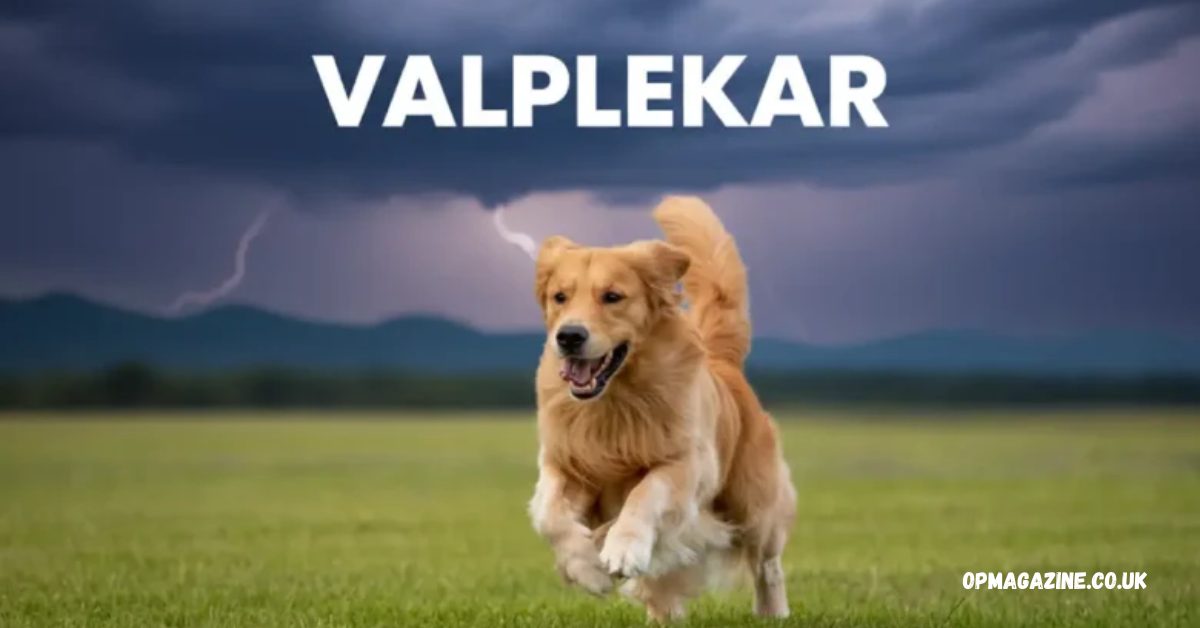
Raising a puppy is one of life’s most rewarding experiences — and valplekar is at the heart of it. Originating from Swedish (valp meaning “puppy” and lekar meaning “play”), valplekar refers to intentional play designed to support the full development of puppies. This includes physical activity, mental stimulation, socialization, and bonding with humans. Far more than just entertainment, valplekar is essential for shaping confident, healthy, and well-adjusted adult dogs.
In this comprehensive guide, we’ll walk through every aspect of valplekar — from how it influences puppy growth to practical activities, routines, expert tips, nutrition, safety, and more.
Valplekar is not random running around — it is purposeful play that builds the foundation of a dog’s lifelong health and behavior. Puppies have unique developmental needs. Without appropriate play and stimulation, they can become bored, anxious, or develop behavioral issues like aggression or destructive chewing.
Structured play — such as a game of fetch — works on coordination, obedience, and confidence. Unstructured play — like exploring a backyard — encourages curiosity and sensory learning. Together, these forms of play help puppies learn about their bodies, minds, and social world.
Valplekar is considered a core part of raising a balanced puppy, not a luxury or optional extra.
Understanding Puppy Growth and Development
Puppies grow at astonishing speed, and each stage of development comes with unique needs. Understanding these phases helps owners tailor valplekar to support healthy growth.
Neonatal Stage (0–2 Weeks)
At this very early stage, puppies mostly sleep and nurse. Play in the strict sense doesn’t happen yet. Their nervous system and senses are still developing, and they rely completely on their mother.
Transitional Stage (2–4 Weeks)
Puppies start to open their eyes and ears. Their movement becomes intentional and they begin interacting gently with littermates. Short, gentle play can begin here under supervision.
Socialization Stage (4–12 Weeks)
This is one of the most critical windows for learning. Puppies are especially receptive to new experiences and play helps them learn social cues, body language, and bite control. Early exposure to varied experiences reduces the risk of fear, anxiety, and aggression later in life.
Juvenile Stage (3–6 Months)
This is when puppies become more physically capable and mentally curious. Valplekar here shifts toward more structured games and basic training, helping build coordination, obedience, and problem-solving skills.
Why Growth and Development Matter:
- Strengthens bones, muscles, and joints
- Improves coordination and reflexes
- Supports immune system health
- Builds resilience, confidence, and cognitive flexibility
What Is Valplekar?
Valplekar is a holistic approach to puppy play designed to serve multiple developmental functions:
Physical Exercise
Activities like fetch, tug-of-war, and running through low obstacles help puppies build strength, stamina, and coordination. Play also supports heart and respiratory health.
Mental Stimulation
Engaging the brain is just as important as physical play. Puzzle toys, hide-and-seek games, scent trails, and treat hunts keep puppies mentally sharp and help them practice problem-solving.
Social Interaction
Play is how puppies learn about communication, boundaries, bite inhibition, and cooperative behavior. Interacting with humans and other dogs teaches puppies how to interpret body language and respond appropriately.
Bonding and Trust
Play builds trust between the puppy and owner. Positive play experiences make training easier and strengthen emotional bonds.
Valplekar can take place indoors or outdoors, in structured sessions or during spontaneous exploration, and can be adapted for puppies of any breed or size.
Core Benefits of Valplekar
Physical Health and Development
Regular physical play helps:
- Build muscle tone and strength
- Improve endurance and stamina
- Enhance reflexes and balance
- Maintain a healthy weight
- Support joint and bone development
Physical play such as fetch and running keeps puppies active and reduces the risk of obesity and related health issues.
Mental Stimulation and Cognitive Growth
Valplekar challenges puppies’ brains:
- Puzzles and treat hunts encourage reasoning and focus
- Hide-and-seek strengthens memory and scent tracking
- Obstacle courses promote coordination and decision-making
Mental stimulation reduces boredom-related behaviors and improves impulse control and problem-solving abilities.
Socialization and Emotional Growth
Play teaches puppies:
- Communication with other dogs
- Reading body language
- Bite inhibition
- Appropriate greetings and boundaries
Proper socialization helps puppies become confident adult dogs and reduces fear-based reactions.
Bonding with Owners
Valplekar strengthens the human-puppy relationship. Play is an opportunity for positive reinforcement, mutual trust, and communication, making training more effective and enjoyable.
Popular Valplekar Activities
Structured Play
Fetch: Builds stamina and reinforces recall commands.
Tug-of-War: Helps with strength and bite control (ensure puppies release the toy on command).
Obstacle Courses: Improves agility, confidence, and coordination.
Unstructured Play
Hide-and-Seek: Great for scent development and problem-solving.
Free Exploration: Encourages curiosity in safe environments.
Social Playdates: Teach social interaction and behavior norms.
Creating a Daily Valplekar Routine
Consistency helps puppies thrive. A balanced routine might include:
Morning:
- Short fetch session (10–15 mins)
- Basic obedience commands (sit, stay, come)
Midday:
- Puzzle toys and indoor exploration
Afternoon:
- Outdoor play or social playdates
Evening:
- Gentle bonding and cuddle time
Tips:
- Rotate toys for variety
- Adjust play intensity according to breed and age
- Supervise all sessions to prevent injury
Nutrition and Supplementation
Proper nutrition underpins all valplekar benefits. Puppies need:
- High-quality protein for muscle development
- Calcium and phosphorus for bone strength
- Essential vitamins and fats for coat and immune health
Supplements like omega-3 fatty acids can support growth, but consult your veterinarian before introducing them.
Safety Measures for Valplekar
Safety is critical:
- Choose age-appropriate toys
- Avoid overexertion
- Watch for choking hazards
- Provide breaks and fresh water
- Supervise interactions with other dogs
Proper precautions prevent injuries and keep play enjoyable.
Adapting Valplekar for Different Breeds and Energy Levels
- High-energy breeds (e.g., Border Collies, Retrievers): Longer play sessions and more outdoor activity
- Small or calm breeds (e.g., Pugs, Dachshunds): Shorter sessions with gentle games
- Large breeds (e.g., Great Danes, Shepherds): Low-impact play to protect joints
Customization ensures all puppies receive exercise, stimulation, and socialization suited to their energy and growth patterns.
Common Mistakes to Avoid
Avoid:
- Overexertion or too-intense play for young puppies
- Ignoring mental and social stimulation
- Skipping structured daily routines
- Using unsafe toys or environments
Mistakes can undermine development and cause stress or injury.
Expert Tips to Maximize Valplekar Benefits
- Start small: Short sessions, gradually increasing duration
- Mix activities: Include physical, mental, and social play daily
- Reward positive behavior: Use praise and treats
- Indoor/outdoor balance: Adapt based on weather and space
- Watch puppy signals: Know when they’re tired or overstimulated
These strategies keep valplekar effective and enjoyable.
Applying Valplekar Principles Beyond Puppies
The principles of structured activity, mental challenges, and social engagement can apply beyond puppies:
Productivity and Efficiency
Structured breaks and varied tasks boost focus and engagement in humans.
Customizable Solutions
Intentional play principles can be adapted to developmental goals in education, work, and personal growth.
Understanding how structured play impacts growth helps create environments that support learning and well-being.
Benefits of Regular Valplekar
- Strong bones, muscles, and joints
- Enhanced cognitive and emotional skills
- Improved social behavior
- Reduced anxiety and destructive habits
- Stronger owner-puppy bond
Consistency in valplekar sets the foundation for a healthy and happy adult dog.
Conclusion:
Valplekar is more than play — it’s a structured, evidence-based approach to puppy development that nurtures body, mind, and social skills. Combining physical exercise, mental stimulation, socialization, and bonding helps puppies grow into confident, well-behaved adult dogs. Balanced routines, proper nutrition, and expert guidance help puppies thrive from their first weeks onward.
FAQs
What is valplekar?
Valplekar is Swedish for “puppy play,” encompassing exercises that support physical, mental, and social development.
How often should puppies do valplekar?
Several short sessions daily (30–60 mins total), adapted to age and energy levels.
Can valplekar prevent behavioral issues?
Yes — sufficient play and socialization reduce anxiety, aggression, and destructive behavior.
Is valplekar suitable for all breeds?
Yes — activities can be tailored to breed size, temperament, and energy.
Can adult dogs benefit from valplekar?
Absolutely — mental stimulation and physical play remain valuable throughout a dog’s life.
Leave a Reply