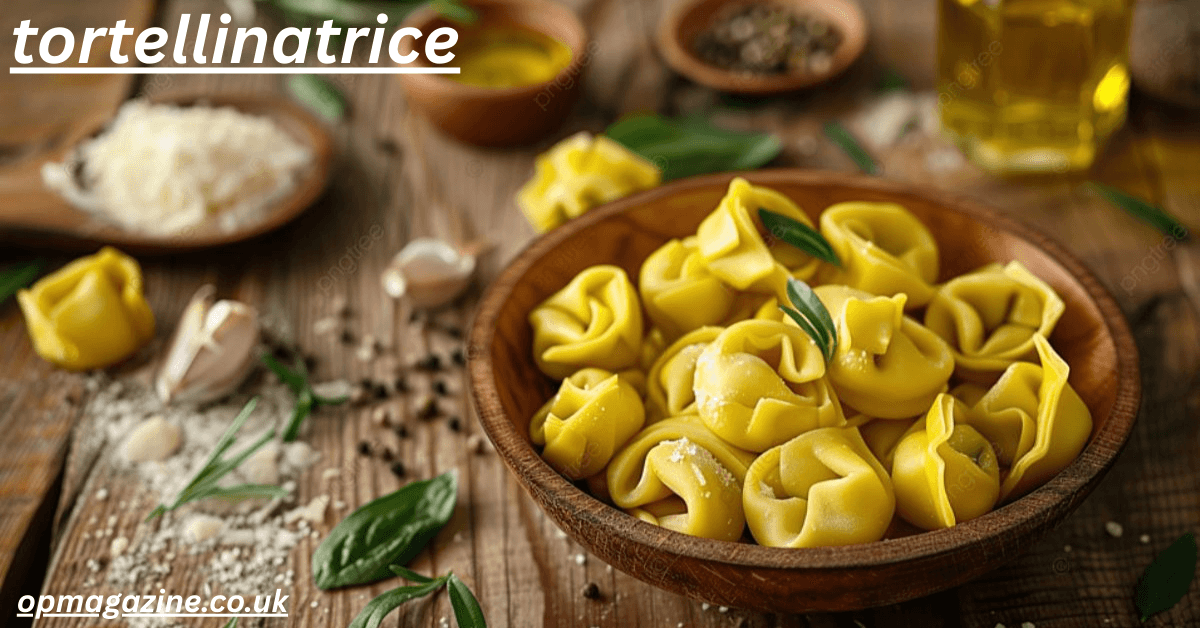
When it comes to Italian pasta, few traditions capture both heritage and flavor like tortellini. Imagine delicate pasta dough embracing rich, savory fillings — each piece a miniature culinary masterpiece. While handmade tortellini remains an art passed down through generations, the Tortellinatrice brings that tradition into the modern kitchen, marrying craftsmanship with efficiency. Whether in a home kitchen or professional trattoria, this machine revolutionizes how stuffed pasta is made, preserving authenticity while enhancing consistency and productivity.
In this guide, we’ll explore everything you need to know about the Tortellinatrice — from its roots in Italian culinary history to how it works, the types available, and how you can choose, use, and care for one. Let’s dive into the rich world of pasta and innovation.
Introduction: Discover the Magic of Tortellinatrice
The Tortellinatrice isn’t just another kitchen appliance — it’s a bridge between tradition and technology. Originating from the Emilia‑Romagna region of Italy, the heartland of tortellini and other filled pasta, the Tortellinatrice automates the labor-intensive process of rolling, filling, sealing, and shaping tortellini and similar pastas such as ravioli and cappelletti.
Think of a machine that captures the delicacy of artisanal techniques but delivers high precision and speed — keeping the soul of Italian cuisine intact while meeting modern demands.
What is a Tortellinatrice? Meaning, Definition & Etymology
Simple Snippet‑Friendly Answer
A Tortellinatrice is a specialized pasta-making machine designed to create filled pasta — especially tortellini — by automating processes like dough rolling, filling portioning, folding, sealing, cutting, and shaping.
Linguistic Roots and Italian Heritage
The word “Tortellinatrice” comes from “tortellini” — the famous stuffed pasta — combined with the Italian suffix ‑trice, which denotes a tool or machine designed for a specific task. Its name literally means “tortellini maker,” highlighting its purpose and cultural identity deeply connected to the Italian culinary tradition.
History and Cultural Significance of Tortellinatrice
Origins in Emilia‑Romagna and Bologna
Tortellini is inseparable from the Emilia‑Romagna region — particularly Bologna and nearby Modena. These cities celebrate tortellini not merely as food but as cultural icons, historically made by hand by skilled artisans and homemakers known as sfogline (pasta-sheet makers).
Legends even say the shape of tortellini — small and ring-like — was inspired by the navel of Venus, seen by an innkeeper through a keyhole, prompting him to craft a pasta in its honor.
The Birth of the Tortellinatrice Machine
As culinary demand increased — especially in the 20th century — chefs and kitchen innovators began designing machines to mimic this intricate handwork. Early designs simplified traditional steps, and over time these evolved into modern Tortellinatrice machines, capable of mechanizing the entire process while preserving the iconic shape and delicate texture of tortellini.
Symbol of Italian Culinary Heritage and Innovation
Today, a Tortellinatrice represents more than efficiency — it symbolizes a fusion of heritage and innovation. From family kitchens to celebrated restaurants, these machines honor centuries-old techniques while expanding possibilities for cooks worldwide.
How a Tortellinatrice Works: Step‑by‑Step Process
Step 1: Dough Preparation
Before any machine can begin, dough must be prepared. Traditional dough uses high-quality flour (often 00) and fresh eggs to yield smooth, elastic pasta sheets — the foundation of perfect tortellini. Once mixed and rested, the dough enters the Tortellinatrice.
Step 2: Dough Rolling and Thickness Control
The machine uses rollers to thin the dough to uniform thickness — crucial for even cooking and consistent texture. Durable stainless steel rollers ensure minimal variation and protect the dough’s integrity.
Step 3: Filling Dispensation
A measured amount of filling — whether a classic combination of meat, cheese, and herbs or an inventive alternative — is deposited onto the dough sheet by the filling mechanism. Precision here ensures perfectly balanced flavor in every piece.
Step 4: Folding & Sealing
After filling, the machine’s guides fold and press the dough around the filling and seal the edges securely, preventing leaks during cooking — a common challenge in handmade pasta.
Step 5: Cutting and Shaping
Integrated cutters then cut and shape the pasta into tortellini or other forms. Clean cuts and precise folds yield uniform pasta that cooks evenly and looks beautiful on the plate.
Step 6: Output and Handling
Finally, the finished pasta is collected — whether for immediate cooking, drying, or packaging. High-end models maintain efficiency even under heavy loads.
Types of Tortellinatrice Machines
Manual Tortellinatrice – Traditional Home Cooking
Manual models use a hand crank and are perfect for hobbyists and home cooks who enjoy tactile engagement with the pasta-making process. They’re compact, affordable, and ideal for small batches.
Electric Tortellinatrice – Efficient and Scalable
Electric versions are perfect for busy kitchens and restaurants. They automate rolling, filling, sealing, and cutting — dramatically increasing output and reducing physical effort.
Semi-Automatic & Industrial Models – Professional Use
Designed for heavy production environments, these machines balance automation with custom control, suitable for small businesses, artisan pasta labs, and large kitchens. Some industrial pasta machines can produce thousands of stuffed pasta pieces per hour, showcasing how technology dramatically scales production while preserving quality.
Key Features to Look For in a Tortellinatrice
Construction Material & Durability
Choose machines made with high-grade stainless steel for longevity, hygiene, and ease of cleaning.
Adjustability and Settings for Perfect Pasta
Look for adjustable thickness settings, filling metering options, and interchangeable molds to diversify pasta shapes and sizes.
Cleaning and Maintenance Tips
Machines with easily removable parts and dishwasher-safe components dramatically ease maintenance — crucial for long-term performance and food safety.
Traditional Ingredients for Perfect Tortellini
Authentic tortellini flavor comes from high-quality, simple ingredients.
Pasta Flour: 00 Flour & Semolina
00 flour — finely milled Italian flour — creates silky, elastic dough ideal for stuffed pasta.
Classic Fillings: Meats and Cheeses
Traditional fillings often include finely minced pork loin, prosciutto, mortadella, Parmigiano-Reggiano, eggs, and a hint of nutmeg — a combination rooted in Emilia-Romagna culinary heritage.
Fresh Herbs and Olive Oil
Add fresh herbs like parsley or basil to enhance aroma. A drizzle of quality olive oil adds richness and depth.
Variations, Innovations, and Modern Recipes
While classic tortellini remain a standard, chefs and home cooks now explore variations:
- Seafood fillings like smoked salmon
- Spicy influences using chorizo
- Vegetarian twists with pumpkin or ricotta spinach blends
- Alternative flours for gluten-free options
These innovations show how the Tortellinatrice expands tradition into new culinary experiences.
Regional Differences: Bologna, Emilia-Romagna, and Modena
Different Italian regions add unique touches:
- Bologna emphasizes classic recipes with specific local meats.
- Emilia-Romagna adds nuanced herbs and preparation variations.
- Modena offers variations such as serving tortellini in brodo — warm, savory broth — tradition that’s centuries old.
Types of Pasta You Can Make with a Tortellinatrice
The Tortellinatrice isn’t limited to tortellini. Depending on models and attachments, you can make:
- Ravioli
- Agnolotti
- Cappelletti (distinct shape and filling style)
- Other filled pasta varieties and fusion dumplings
How to Use a Tortellinatrice at Home
Ingredients You’ll Need
Basic ingredients include:
- 00 flour
- Fresh eggs
- Salt
- Optional olive oil for dough texture
Fillings can be classic or inventive.
Preparation Steps
- Mix dough and knead until smooth.
- Rest the dough for about 30 minutes.
- Feed into the machine, adjusting thickness.
- Prepare your filling.
- Let the Tortellinatrice roll, fill, fold, seal, and cut — less effort, more fun.
Buying Guide: How to Choose the Right Tortellinatrice
| Factor | Why It Matters | Recommendation |
|---|---|---|
| Size | Counters and storage | Compact for home, larger for pro use |
| Power Source | Manual vs Electric | Choose based on volume needs |
| Attachments | Versatility | Look for interchangeable molds |
| Ease of Cleaning | Hygiene and usability | Removable and washable parts |
| Price Range | Budget considerations | $50–$1000+ depending on features |
| Brand Reputation | Support and durability | Established brands offer longevity |
Common Mistakes to Avoid and Tips for Perfect Pasta Every Time
Avoid pitfalls like:
- Dough too sticky or too dry
- Overfilling, leading to burst pockets
- Skipping maintenance
Pro tip: Let the dough rest and operate the machine slowly for consistent results.
Tortellinatrice vs Other Pasta Machines
| Feature | Tortellinatrice | Regular Pasta Roller | Electric Pasta Maker |
|---|---|---|---|
| Stuffed Pasta | ✅ Yes | ❌ No | ❌ No |
| Manual/Electric | Both | Mostly Manual | Mostly Electric |
| Filling Function | ✅ Built-In | ❌ N/A | ❌ N/A |
| Complexity | Medium | Easy | Easy |
| Best For | Filled pasta lovers | Basic pasta shapes | Quick use |
Cleaning and Maintenance Guide
Always clean immediately after use:
- Disassemble removable parts
- Wash with warm water and mild soap
- Use a brush to clear small spaces
- Dry thoroughly to prevent rust
Future of Tortellinatrice Technology
Emerging innovations may include:
- AI-assisted filling detection
- App-controlled settings
- Smart home integration
Technology will continue enhancing efficiency while respecting tradition.
Experiencing Tortellinatrice: Tours, Classes, and Culinary Adventures
Travel to Italy, especially Emilia-Romagna, for hands-on classes:
- Learn dough techniques from local chefs
- Visit markets to select ingredients
- Participate in food festivals celebrating tortellini and pasta culture
These experiences connect you deeply to culinary roots.
Real User Reviews and Testimonials
“We doubled production at our pasta bar thanks to our Tortellinatrice — consistency is amazing.” – Professional Chef
“Best kitchen investment ever — now pasta night is a weekly tradition!” – Home cook
Conclusion: Embrace the Art and Joy of Tortellinatrice
From its origins in Italian pasta tradition to modern kitchens worldwide, the Tortellinatrice is a remarkable tool. It honors heritage while embracing innovation — helping cooks make perfect tortellini and other filled pasta with greater ease, consistency, and creativity. Whether you’re a passionate home cook or a professional chef, the Tortellinatrice connects you to centuries of culinary excellence, every batch at a time.
FAQs
1. What is a Tortellinatrice used for?
A machine for making stuffed pasta such as tortellini, ravioli, and other filled shapes with precision.
2. Is it suitable for beginners?
Yes! Many models are beginner-friendly with easy controls.
3. Can it make pasta other than tortellini?
Definitely — with the right attachments, it can make many filled pasta styles.
4. Is pasta from a Tortellinatrice as good as handmade?
Yes — when using quality ingredients, it closely matches traditional handmade flavor and texture.
5. Is it better than a regular pasta machine?
For stuffed pasta, absolutely — it automates filling and sealing, which regular machines can’t do.
Leave a Reply