Miami Florida Verenigde Staten isn’t just another postcard beach town. It’s a vibrant, layered metropolis where centuries of history, cultural fusion, architectural creativity, and modern energy collide. From ancient Native American heritage to Cuban exile neighborhoods, Art Deco streetscapes to world‑class art and food scenes — Miami invites visitors to go beyond the sand and surf. In this guide, we’ll take you through every aspect of this sun‑soaked metropolis and reveal the stories that make it unforgettable.
Introduction: Miami Florida Verenigde Staten – Beyond Sun, Sand, and Surf
Miami is more than beaches and nightlife. Its rich history, diverse culture, and unique neighborhoods make it a city of stories waiting to be discovered. Hidden in its streets, parks, and waterfronts are layers of history that tell the tale of a city that has constantly reinvented itself.
Geography and Climate: The Natural Foundations of Miami
Miami sits on the southeastern tip of the United States, in Miami‑Dade County. This strategic location between Biscayne Bay and inland wetlands makes geography one of the city’s defining elements. The region lies on a broad limestone plain, where the elevation averages around 6 feet above sea level near the coast, making it uniquely flat and richly biodiverse.
Biscayne Bay: Waterfront Living and Scenic Views
Biscayne Bay, just east of Downtown Miami, is a mosaic of islands, marinas, and yacht harbors. It’s the perfect fusion of urban skyline and coastal serenity, offering kayaking, boat tours, waterfront dining, and spectacular sunrise views.
Everglades National Park: Urban Meets Subtropical Wilderness
To the west lies the Everglades — one of the largest subtropical wildernesses in the U.S. This vast ecosystem of sawgrass marshes and mangroves is a nature lover’s paradise. Whether you’re gliding across waterways on an airboat or spotting birds and alligators in their natural habitat, the Everglades shows a completely different side of South Florida’s environment.
Tropical Climate & Hurricane Season
Miami’s tropical climate brings warm weather year‑round, with mild winters and hot, humid summers. Beach culture thrives thanks to this perpetual sunshine. Hurricane season runs from June through November, and while the city is well‑prepared, visitors should always check weather advisories before travel.
Ancient Miami: The Tequesta Civilization and Miami Circle
Long before the first settlers and skyscrapers, this land was home to the Tequesta people. Although they didn’t build grand pyramids or temples, the Tequesta left behind shell mounds and ceremonial sites that reveal their deep connection to the land and sea. One of the most fascinating relics of this era is the Miami Circle, an ancient stone structure carved into limestone that dates back nearly 2,000 years. Standing at this site, you can almost feel the rhythm of ancient life at the edge of Biscayne Bay — a heartbeat that predates modern Miami by millennia.
Pioneer Era: Julia Tuttle, Railroad Dreams, and Early Settlers
Miami’s modern origin story starts in the late 1800s. The area was known then as “Biscayne Bay Country,” a promising wilderness of swamps, mangroves, and citrus groves. It was Julia Tuttle — a citrus grower and landowner — who convinced railroad magnate Henry Flagler to extend his Florida East Coast Railway southward, despite brutal freezes that ruined crops elsewhere. Tuttle’s perseverance — sending Flagler orange blossoms as proof of Miami’s resilience — earned her the title “Mother of Miami.” Miami was officially incorporated on July 28, 1896, with a population of just over 300 people.
One of the city’s oldest structures from this era is the William Wagner Homestead — a humble frontier cabin still standing amid modern towers — an evocative reminder of Miami’s pioneering roots.
The Boom, Bust, and Art Deco Rebirth (1920s–1940s)
The 1920s Land Boom
The early 20th century saw Miami transform under a speculative frenzy. Between 1900 and 1920, the city’s population surged dramatically — by around 440% — and land values skyrocketed.
But rapid growth has its risks. In 1926, a devastating hurricane struck South Florida, followed soon after by the Great Depression. Many cities and developments faltered, yet Miami endured.
Art Deco Architecture: A Phoenix from the Rubble
Out of disaster came optimism. Miami Beach’s Art Deco Historic District — now one of the largest collections of Art Deco buildings in the world — started to take shape. Comprising nearly 960 historic buildings built between the 1920s and 1940s, this architectural style used pastel hues, geometric patterns, and tropical motifs that matched Miami’s vibrancy and climate.
Iconic sites such as Ocean Drive and Collins Avenue showcase these restored, neon‑lit facades, symbolizing the city’s resilience and love of design.
Miami as a Crossroads: Cuban Migration and Latin American Influence
After the 1959 Cuban Revolution, Miami became a refuge for Cubans fleeing political upheaval. What started as a wave of exiles reshaped the city’s cultural fabric. Today, more than 70% of Miami‑Dade County’s population identifies as Hispanic/Latino, reflecting broad ties to Latin America and the Caribbean.
Little Havana: Cubans, Cafecito, and Calle Ocho
“Little Havana” — originally a quiet neighborhood — became the cultural heart of Cuban life in Miami. Along Calle Ocho (SW 8th Street), Cuban coffee windows, cigar shops, and art murals line the street. Máximo Gómez Park — affectionately known as Domino Park — is a local gathering place where the click of dominoes and aroma of cafecito illustrate everyday life.
Each March, the Calle Ocho Festival draws over 1 million visitors, celebrating Latin culture with music, dance, food, and street parades — one of the largest Hispanic street festivals in the U.S.
Neighborhood Spotlight: Exploring Miami’s Historic and Cultural Zones
Miami isn’t just one place — it’s many, each with its own personality and stories.
Downtown / Brickell: Urban Powerhouse
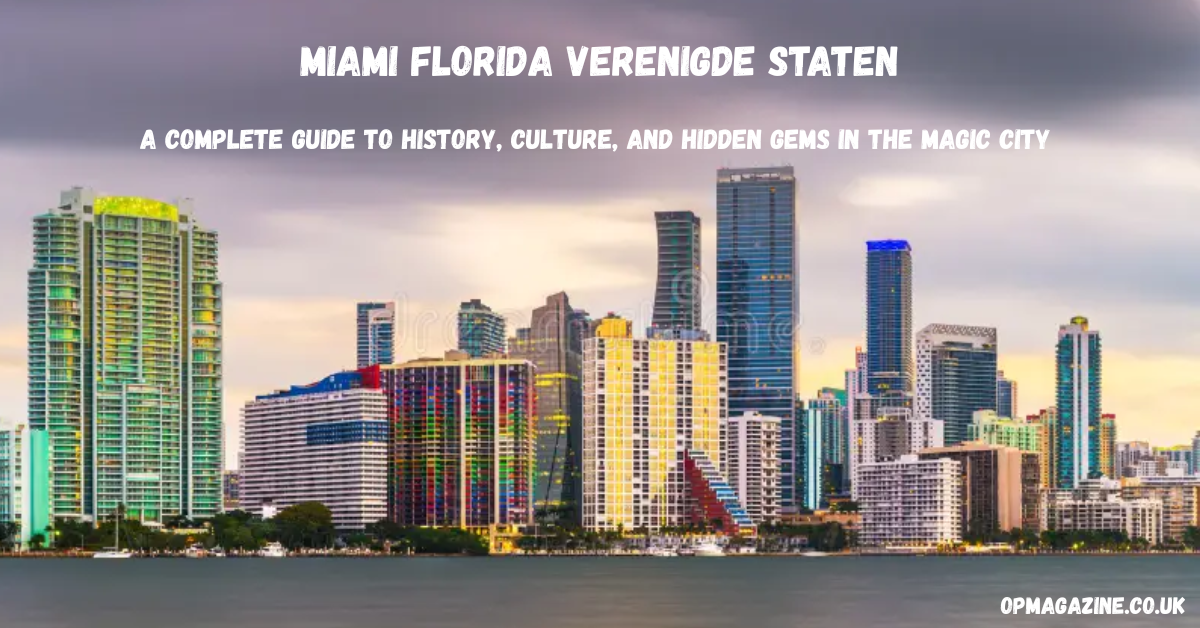
The downtown skyline, with gleaming glass towers and modern hospitality hubs, reflects Miami’s contemporary edge. The HistoryMiami Museum and Freedom Tower — once a sanctuary for Cuban refugees — chronicle the city’s evolution.
South Beach: The Iconic Beach & Deco District
South Beach, part of Miami Beach, is one of America’s premier resort areas — known for turquoise water, white sands, and nightlife. Its Art Deco Historic District was listed on the National Register of Historic Places in 1979 and remains a magnet for visitors worldwide.
Coconut Grove: Bohemian & Historic
The oldest continuous neighborhood in Miami, Coconut Grove blends leafy streets with seaside charm, boutiques, and boho cafes. Its historic sites — like restored parks and waterfront vistas — reflect the bohemian spirit that attracted artists and thinkers.
Coral Gables: Mediterranean Elegance
Coral Gables embraces Mediterranean Revival architecture and leafy avenues. Landmarks here include the Biltmore Hotel, elegant estates, and the whimsical Venetian Pool — a spring‑fed coral rock pool with cascading waterfalls.
Wynwood: Art & Urban Expression
Wynwood, once industrial, is now an art lover’s paradise. The Wynwood Walls — an outdoor mural gallery — showcase rotating masterpieces by global artists. The neighborhood’s edgy galleries and bars visualize Miami’s modern identity, where street art becomes cultural narrative.
Hidden Narratives & Local Lore
Beyond famous landmarks lie stories waiting to be uncovered.
Prohibition Era Secrets
In Coconut Grove and along hidden docks, whispers of rum runners and secret speakeasies remain part of local lore — tales of clandestine tunnels and untold spirits that shaped coastal life.
Architectural Layers
Miami’s buildings, from Spanish Renaissance to Deco to futuristic glass towers, tell a story of reinvention. The city is now a canvas where historic preservation and cutting‑edge design coexist — from Freedom Tower to modern landmarks.
Tourism, Lifestyle, and Experiences
Beaches and Outdoor Life
Miami’s beaches are legendary — from South Beach’s energy to quieter stretches along Key Biscayne and Miami Beach. Water sports, sailing, and sunset cruises along Biscayne Bay are quintessential Miami experiences.
Food, Music, and Nightlife
From Cuban sandwiches and cafecito to Haitian griot and Colombian arepas, Miami’s culinary scene mirrors its multicultural soul. Live salsa beats on Calle Ocho, jazz nights on Española Way, and global DJ sets in South Beach create a rhythm all their own.
Festivals & Arts
Miami houses world‑class cultural events like Art Basel Miami Beach, drawing collectors, artists, and trendsetters from around the globe — further cementing its status as an arts hub.
Living in Miami: Culture, Lifestyle, and Practical Insights
Living in Miami combines warm weather, outdoor living, and diverse cultures. With no state income tax, business and entrepreneurship flourish alongside tourism and finance sectors. However, high real estate costs, summer humidity, and hurricane preparedness are vital considerations for residents.
Miami Travel Tips for History Buffs and Tourists
- Best Time to Visit: November–April offers mild, dry weather ideal for sightseeing.
- Explore Beyond South Beach: Visit Little Havana, Wynwood Walls, and Coconut Grove for deeper experiences.
- Tour Guides & Apps: Audio walking tours uncover architectural stories behind Art Deco gems.
- Safety: Keep weather alerts handy during hurricane season.
FAQs
What is Miami best known for?
South Beach, Art Deco architecture, vibrant nightlife, and rich Cuban-Latin culture.
Is Miami family-friendly?
Yes — interactive museums, parks, and beaches make it great for kids too.
When should I visit?
November–April offers perfect weather for beach and city exploration.
Final Thoughts:
Miami Florida Verenigde Staten is more than sunshine and surf. It’s a living chronicle — rooted in ancient heritage, rebuilt through boom and bust, enriched by migration, and defined by cultural creativity. Whether you’re walking through an Art Deco street, sipping cafecito in Little Havana, gliding on Biscayne Bay’s waters, or discovering hidden murals in Wynwood, Miami’s vibrant narrative is always unfolding.
Leave a Reply