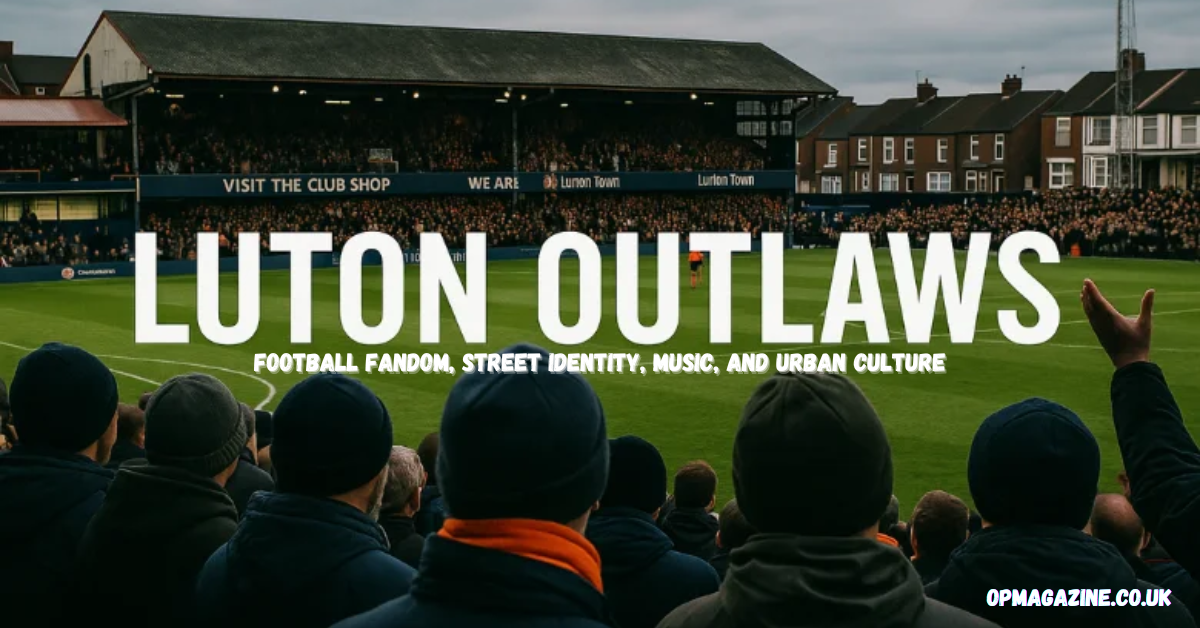
The term Luton Outlaws has become a topic of interest in recent years, representing more than just a fanbase or a street label. From football terraces to music lyrics, and from social media to local youth identity, the Luton Outlaws encapsulate the essence of modern urban culture in Luton, Bedfordshire. This article explores the origins, influence, and evolution of the Luton Outlaws, examining both their role in football fandom and their broader cultural significance.
Who Are the Luton Outlaws?
Origins and Early History
The Luton Outlaws originated in the early 2000s as a community of dedicated Luton Town FC supporters. Initially, the group existed mainly online, connecting through a fan forum known as the Avenue of Evil, where supporters could discuss matches, transfers, and club news. Over time, this informal group transformed into a recognizable entity at matchdays, known for their energy, vocal support, and distinctive banners.
From Online Forums to Matchday Presence
The Avenue of Evil became more than just a forum—it was a hub where fans could express themselves freely. While not officially affiliated with Luton Town FC, the Outlaws gained notoriety for their matchday presence, often being the loudest and most visible supporters. They contributed to an electrifying atmosphere at Kenilworth Road stadium, especially during key home and away games.
Their Role in Luton Town FC’s Fan Culture
The Outlaws are considered the heartbeat of the club’s dedicated fanbase, representing loyalty, passion, and community. Their influence is evident not only in chants and banners but also in fostering a sense of belonging among fans who feel disconnected from mainstream football culture.
Luton Outlaws in Football Culture
Passionate Matchday Support
The Outlaws’ reputation stems from their matchday enthusiasm. Whether home or away, they lead the chants, organize banners, and energize fellow supporters. Their presence has been described as a defining element of Luton Town FC’s atmosphere, contributing significantly to the club’s identity.
The Avenue of Evil Forum
The Avenue of Evil forum is a central pillar of the Outlaws’ influence. Here, fans discuss everything from tactical analysis to transfer rumors. The forum is known for its unfiltered opinions, providing a space for supporters to debate passionately, vent frustrations, and share experiences. This online presence extends the Outlaws’ influence beyond Luton, connecting fans globally.
Creating a Sense of Belonging Among Fans
For many, being part of the Outlaws is about more than football. It represents a shared identity, camaraderie, and an opportunity to participate in a community that values passion over formal affiliation. The group has become a symbol of Luton Town FC’s working-class roots, celebrating loyalty in its purest form.
Luton Outlaws as a Street Identity
What the Term Really Means
Beyond football, “Luton Outlaws” is a street identity term circulating through youth culture, music, and local reputation. It is not a registered organization or gang, but rather a symbol of local pride, rebellion, and survival mentality. It represents:
- Street credibility
- Loyalty to one’s community
- Independence and self-expression
- Brotherhood-like connections
Symbolism: Rebellion, Brotherhood, and Local Pride
The term conveys a sense of defiance and independence, resonating with young people who feel constrained by social or economic pressures. It is a badge of honor, symbolizing the ability to survive and thrive within a challenging environment.
The Social Background of Luton and Its Influence
Luton is a diverse, working-class town with strong immigrant communities, a rich history in industry, and a growing youth population facing economic challenges. Youth unemployment and limited opportunities contribute to the development of underground identities, with Luton Outlaws emerging as a cultural expression of resilience and creativity.
Music, Fashion, and Visual Identity
Local Rap and Drill Scene
Music has played a pivotal role in spreading the Luton Outlaws identity. Local rap and drill artists often reference Luton in lyrics, highlighting struggles, ambitions, and loyalty to their communities. Songs mentioning the Outlaws turn the term into a movement-style slogan, rather than merely a nickname.
From Streets to Spotify: How Music Spread the Identity
Through music videos, lyrics, and social media, the Luton Outlaws identity has reached audiences far beyond Bedfordshire. The visibility of the term in songs and digital content has transformed it into a nationally recognized cultural reference.
Street Fashion and Branding Elements
Fashion is a key element of identity. Luton Outlaws-inspired streetwear often features:
- Hoodies with local branding
- Dark-themed aesthetics
- Face coverings in visuals
- Minimalist logos and bold slogans
This visual identity has become a recognizable symbol of urban culture, blending creativity with local pride.
Controversies and Misconceptions
Are the Luton Outlaws a Gang?
One of the most common misconceptions is that the Outlaws are an organized criminal group. This is not accurate. While some individuals using the identity may engage in criminal behavior, the term itself primarily represents:
- Street identity
- Local pride
- Community belonging
Misconceptions About Crime and Violence
Many media outlets have sensationalized the term, linking it unfairly to crime. It is crucial to distinguish between symbolic identity and criminal activity, as the majority of individuals using the name are engaged in music, fashion, or creative entrepreneurship.
Criticism Within Football Fandom and Street Culture
The Outlaws’ unregulated nature has led to criticism from both official supporters’ groups and local residents. Some argue that the group’s forum fosters negativity, while others appreciate the raw, unfiltered expression of loyalty.
Influence on Youth and Community
Positive Impacts: Creativity, Entrepreneurship, and Hustle
The Outlaws identity has inspired young people to channel energy into positive avenues:
- Launching streetwear brands
- Producing music and videos
- Organizing events and community initiatives
- Engaging in entrepreneurship
This influence fosters personal growth and skill development, giving youth a platform to turn creativity into opportunity.
Negative Impacts: Peer Pressure, Violence, and Misinterpretation
However, there are potential downsides:
- Pressure to conform to “tough” personas
- Misinterpretation of aggressive music lyrics
- Conflict between rival areas
- Glorification of violence in some content
The impact depends largely on guidance, mentorship, and personal choice.
Media, Social Platforms, and Digital Influence
Role of Social Media in Spreading the Identity
Platforms like TikTok, Instagram, and YouTube have amplified the Luton Outlaws identity. Videos, posts, and hashtags allow local culture to reach global audiences, turning a local phenomenon into a digital trend.
Local and National Perception
The identity evokes mixed reactions:
- Supporters: a source of pride, creativity, and authentic representation
- Critics: potential association with negative behavior or violence
Balanced coverage emphasizes identity, ambition, and cultural significance, rather than sensationalism.
How Viral Content Shapes the Narrative
Viral videos, music, and fashion posts help solidify the Outlaws’ place in digital culture. The combination of street credibility and creativity ensures the term continues to resonate beyond Luton.
The Future of the Luton Outlaws Identity
Opportunities for Growth, Branding, and Community Leadership
The Luton Outlaws identity has potential for positive evolution:
- Expansion of music careers
- Growth of independent clothing brands
- Community leadership and youth programs
- Digital influence and content creation
These avenues can transform the identity from a street label to a platform for success.
Challenges: Avoiding Conflict and Mislabeling
Risks remain, including:
- Media misrepresentation
- Peer pressure leading to negative behavior
- Mislabeling the identity as inherently criminal
The future depends on how the next generation chooses to shape the identity—as a tool for empowerment or a symbol of conflict.
Conclusion
The Luton Outlaws are much more than a football fan group or a street term—they are a complex cultural identity that reflects passion, loyalty, creativity, and resilience. From the terraces of Kenilworth Road to the underground music scene and social media platforms, the Outlaws represent a modern urban culture, balancing both opportunity and challenge.
For fans, youth, and the wider community, the Luton Outlaws stand as a symbol of pride, creativity, and belonging, proving that identity can emerge from passion, struggle, and community. Their journey continues to evolve, shaping both the football fandom and street culture of Luton while leaving an indelible mark on digital and national consciousness.
FAQs
1. Who are the Luton Outlaws?
The Luton Outlaws are an unofficial community of Luton Town FC supporters known for their passionate matchday presence, active online forums, and strong loyalty to the club. They are not officially affiliated with the club but have become a significant part of its fan culture.
2. Are the Luton Outlaws a gang?
No, the Luton Outlaws are not an organized criminal gang. While some individuals may engage in minor offenses, the term primarily represents a street identity, local pride, and football fandom, rather than criminal activity.
3. What is the Avenue of Evil?
The Avenue of Evil is the online forum where the Luton Outlaws communicate. It serves as a hub for fans to discuss matches, transfers, club decisions, and other topics related to Luton Town FC. The forum is known for its raw and unfiltered discussions.
4. How did the Luton Outlaws get their name?
The name likely originated from the rebellious and independent attitude of a group of passionate Luton Town supporters. Over time, it became a broader cultural label representing loyalty, street identity, and local pride.
5. Do the Luton Outlaws influence Luton Town FC matches?
Yes, the Outlaws play a role in matchday atmosphere. Their chants, banners, and energy contribute to an electrifying environment at Kenilworth Road, boosting player morale and uniting fans.
6. Is the Luton Outlaws identity only about football?
No. While rooted in football fandom, the identity also extends to street culture, music, fashion, and local youth communities. It reflects broader themes of rebellion, creativity, and belonging.
7. How has social media impacted the Luton Outlaws?
Social media platforms like TikTok, Instagram, and YouTube have amplified the Luton Outlaws identity, spreading awareness beyond Luton. Videos, posts, and hashtags have helped the term reach a national and global audience.
8. Can being a Luton Outlaw positively influence youth?
Yes. For many young people, the Outlaws identity fosters creativity, entrepreneurship, and self-expression. It encourages youth to develop music, fashion, and digital skills while building a sense of community.
9. What are some misconceptions about the Luton Outlaws?
Common misconceptions include assuming the group is a criminal gang or that all associated individuals engage in violence. In reality, the identity is about loyalty, passion, and cultural expression rather than organized crime.
10. What does the future hold for the Luton Outlaws identity?
The future could see the Outlaws expand into music, fashion, entrepreneurship, and community leadership. How the identity evolves depends on the next generation’s choices and whether it emphasizes growth and creativity or remains associated with conflict.
Leave a Reply