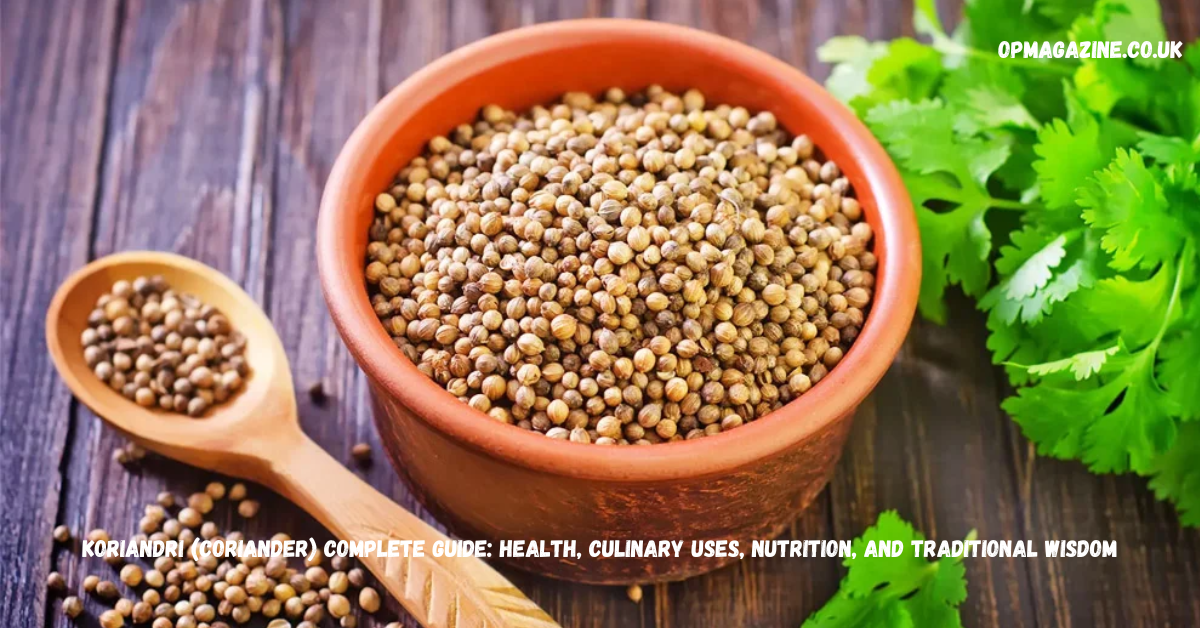
Koriandri — widely called coriander or cilantro depending on the form — is one of the most ancient and versatile herbs in the world. Its scientific name is Coriandrum sativum, and it belongs to the parsley family, Apiaceae, which also includes carrots, cumin, and fennel.
In the United States, the fresh green leaves are known as cilantro, while the dried seeds are called coriander seeds. Despite coming from the same plant, these two parts have very different flavors, uses, and nutritional profiles — which makes koriandri uniquely valuable in both cooking and wellness traditions.
Across global cuisines and traditional medicine systems, koriandri has a rich cultural legacy and continues to be relevant in modern health and culinary trends.
Botanical Overview of Koriandri
Koriandri is an annual herb, meaning it completes its entire life cycle in a single growing season. It thrives in mild climates and struggles with intense heat, which can cause it to bolt (flower too quickly), reducing leaf quality.
From an appearance standpoint:
- The plant grows about 1–2 feet tall.
- It has delicate, bright green leaves that differ in shape between young and mature stages.
- Small white or light pink flowers emerge before seeds develop.
The entire plant is usable. Leaves offer fresh herbal flavor, seeds provide warm spice, and other parts — including stems and roots — also find use in some traditional medicines and culinary applications.
History and Cultural Significance
Koriandri has been used by humans for thousands of years. Evidence suggests ancient civilizations such as Egyptians used coriander seeds as far back as the Bronze Age — seeds have even been found in tombs.
In classical antiquity, Greeks and Romans prized koriandri both as a culinary spice and a medicinal herb. It became common across Middle Eastern, Indian, and Asian cuisines over centuries of cultural exchange.
In Indian Ayurveda, koriandri is classified for its digestive and cooling qualities. In Persian, Arabic, and North African traditions, coriander features in spice blends, teas, and healing remedies. Its use spread globally through trade and migration, from Mexican salsas to Southeast Asian curries.
Nutritional Profile of Koriandri
Koriandri provides distinct nutritional benefits depending on whether you consume the leaves or the seeds.
Fresh Leaves (Cilantro)
Per 100g of fresh leaves:
- Vitamin C: ~27 mg (approx. 45% of daily value)
- Vitamin A: ~6748 IU (over 130% of daily value)
- Vitamin K: ~310 mcg (250%+ of daily value)
- Iron, magnesium, and trace minerals also present.
The leaves are low in calories and rich in phytonutrients, including flavonoids and volatile oils.
Coriander Seeds
Seeds offer:
- Dietary fiber
- Essential oils like linalool
- Small amounts of minerals including potassium and calcium
They lend warm flavor and contribute aromatic compounds associated with health effects.
Health Benefits of Koriandri
Modern research and traditional use both point to multiple potential health benefits of koriandri. Here are the major ones:
Digestive Health and Enzyme Support
Coriander seeds have long been used to support digestion, relieve gas, and stimulate digestive enzyme secretion. Coriandri can help shorten digestion time and ease discomfort after meals.
Blood Sugar Regulation
There are studies showing coriander may help lower blood sugar by activating enzymes that promote glucose metabolism. People on diabetes medication should use caution, since coriander could enhance the effects of medication.
Rich in Antioxidants
Coriandri contains several antioxidants — including quercetin and terpenes — which help neutralize free radicals and may support immune health, reduce inflammation, and contribute to cellular protection.
Heart Health Benefits
Potential cardiovascular benefits include:
- Lowering LDL (bad cholesterol)
- Increasing HDL (good cholesterol)
- Acting as a mild diuretic to reduce blood pressure
Populations consuming spice‑rich diets, including coriander, often have lower rates of heart disease compared to high‑salt diets.
Antimicrobial Properties
Coriandri exhibits antimicrobial activities that may help fight foodborne pathogens like Salmonella, as well as other bacteria responsible for infections.
Skin and Anti-Inflammatory Support
Some studies suggest coriander’s antioxidants may help protect skin from oxidative stress and UV damage. Traditional use includes applying leaf juice for mild rashes and inflammation.
Brain and Nervous System Benefits
Preliminary research indicates that coriander extracts might help reduce anxiety and support brain health due to antioxidant and neuroprotective compounds, although more human research is needed.
Detoxification Myths and Facts
Koriandri is often touted in detox discussions, particularly for heavy metal removal. While laboratory studies have shown coriander can bind certain metals in experimental settings, the evidence in humans is limited and not conclusive.
The real benefit may lie in supporting the body’s natural detox systems — such as the liver and kidneys — through antioxidants and metabolic support, rather than acting as a direct flush mechanism. Reliable detox always involves organs functioning properly, hydration, and balanced nutrition.
Culinary Uses of Koriandri
One of the greatest strengths of koriandri is its culinary versatility.
Fresh Leaves (Cilantro)
The bright, citrusy leaves are excellent:
- Chopped in salsas, salads, rice bowls
- Blended into green sauces and chutneys
- Garnished atop soups, tacos, and noodles
Fresh leaves are best added just before serving to preserve aroma.
Coriander Seeds
Seeds can be used:
- Whole or toasted in curries, stews, and pickles
- Ground into spice blends
- Added to bread, sausages, and roasted vegetables
Toasting seeds releases richer aroma and enhances flavor complexity.
Global Recipes and Pairings
Coriandri pairs beautifully with:
- Lime, garlic, onion, chili
- Yogurt and light cheeses
- Cumin, fennel, and cinnamon
These pairings balance its citrus and spice notes, enhancing a wide array of dishes from multiple culinary traditions.
Daily Use: Practical Tips
You can add koriandri to your meals in many simple ways:
- Chop fresh leaves into salads and soups
- Blend leaves into herb sauces
- Sprinkle seeds or ground coriander into curries or roasted veggies
- Steep seeds in hot water for a warming spice tea after meals
These practical uses make koriandri easy to integrate into everyday cooking and wellness routines.
Growing Koriandri at Home
Growing koriandri is rewarding and helps ensure fresher flavor than store-bought versions:
- Climate: Prefers cool weather and partial sunlight.
- Soil: Well-drained, fertile soil.
- Water: Regular but not excessive watering.
- Harvesting: Frequent leaf harvest delays flowering. Allow a few plants to flower for seeds.
Home gardening adds freshness and saves cost, while connecting you more deeply with your ingredients.
Storage and Preservation
Fresh Leaves
- Trim stems and place in a jar of water like flowers.
- Cover loosely with a plastic bag and refrigerate.
- Change water every couple of days.
Alternatively, freeze chopped leaves in ice cube trays with a touch of oil for long-term use.
Coriander Seeds
- Store whole seeds in an airtight container away from light and heat.
- Ground coriander loses flavor faster; grind as needed.
Proper storage prolongs flavor and helps reduce food waste.
Possible Side Effects and Precautions
Koriandri is generally safe for most people at culinary amounts. However:
- Allergic reactions, though rare, can occur.
- Because of its blood sugar-lowering activity, diabetics should consult healthcare providers.
- Its vitamin K content may interact with blood thinners.
Moderation and guidance ensure safety for sensitive individuals.
Economic and Environmental Importance
Koriandri plays a meaningful role in the global spice market. India is one of the top producers and exporters of coriander seeds, supplying both culinary and industrial demand.
As a low-input crop that grows quickly without heavy chemicals, koriandri supports sustainable agriculture and aligns with increasing interest in eco-friendly food production.
Future Trends
The rising popularity of plant-based diets, functional foods, and natural wellness products positions koriandri for continued growth in global markets. Expect to see increased use in:
- Nutraceuticals
- Herbal supplements
- Innovative culinary products
Koriandri’s blend of flavor and health potential makes it future-ready in food and wellness industries.
FAQs
Is koriandri the same as cilantro?
Yes — “koriandri” refers to the whole plant (Coriandrum sativum); in the U.S., leaves are called cilantro while seeds are called coriander.
Can koriandri be consumed daily?
Yes, normal culinary use is safe for most people.
Does koriandri help digestion?
Yes — seeds and leaves both support digestive comfort.
Does koriandri lower blood sugar?
Some studies suggest coriander may help regulate glucose levels.
Is koriandri suitable during pregnancy?
In normal food amounts, yes; for medicinal doses, consult a clinician.
Does fresh vs. dried koriandri differ nutritionally?
Yes; fresh leaves have more vitamins while seeds offer oils and minerals.
Conclusion
Koriandri (Coriandrum sativum) is far more than a kitchen herb. It bridges culinary tradition, nutritional benefit, historical value, and modern wellness trends. From tangy fresh leaves to warm, aromatic seeds, koriandri’s versatility spans global cuisines and cultural practices.
Whether you’re a home cook, chef, or health-seeking individual, koriandri deserves a place in everyday cooking and wellness routines. Its rich flavor, deep roots in traditional medicine, and growing scientific support make it a true botanical treasure worth exploring and using with confidence.
Leave a Reply