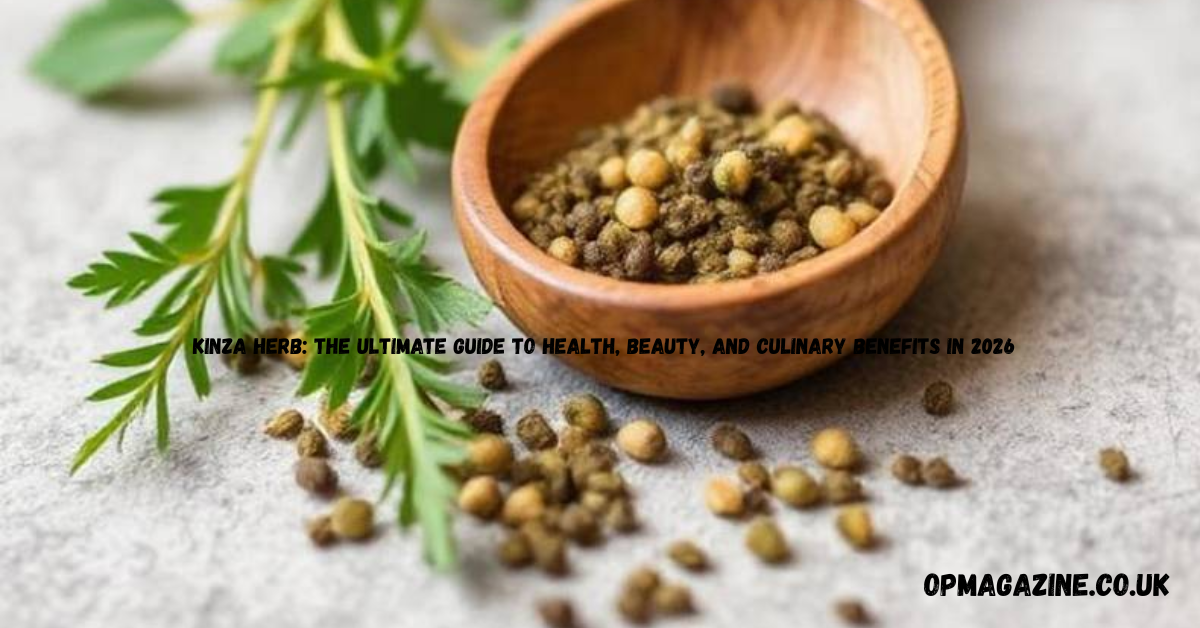
The Kinza herb, also known as coriander or cilantro, is one of nature’s most versatile and beneficial plants. Loved around the world for its unique flavor and potent wellness properties, Kinza has been used for thousands of years in cooking, herbal medicine, and traditional healing practices. Whether you know it as “cilantro” in fresh form or “coriander” in its dried seed form, this herb packs an impressive nutritional profile and therapeutic potential.
In this guide, you’ll discover the fascinating origin, health benefits, nutritional power, beauty uses, and how to easily integrate Kinza herb into your daily life — backed by research and practical tips.
What is the Kinza Herb?
The Kinza herb comes from the plant Coriandrum sativum, a member of the Apiaceae family — the same family as carrots and parsley. Fresh leaves and stems are commonly called cilantro, while dried seeds are referred to as coriander. Despite the different names and uses in cooking, they come from the same plant and contain overlapping nutritional benefits.
Kinza’s flavor is often described as fresh, citrusy, and slightly tangy, balancing bold or spicy foods while adding a vibrant aroma. Beyond taste, every part of the plant holds value — from the leafy greens to the tiny seeds.
History and Origins of Kinza Herb
The Kinza herb has a rich cultural and historical legacy:
- Mediterranean & Western Asia Origins: Native to these regions, Kinza has been cultivated for over 3,000 years.
- Ancient Egypt: Coriander seeds were discovered in Egyptian tombs, highlighting their dual use in culinary and ceremonial practices.
- Traditional Chinese Medicine: Used to calm inflammation and aid digestion.
- Ayurveda & Unani Medicine: Employed to stimulate digestion, reduce fever, and support urinary health.
Across centuries and cultures, Kinza has been valued not just for flavor but for its holistic healing properties.
Botanical Overview
Structure and Growth
The plant grows to a height of 20–70 cm, featuring bright green leaves, soft stems, and small white flowers. Its seeds form later — small, brown, and round.
Leaves vs. Seeds
- Leaves (Cilantro): Bright green and aromatic, often eaten fresh.
- Seeds (Coriander): Dried and used as a spice with a warm, nutty profile.
Though they come from the same plant, their flavors and uses differ significantly.
Nutritional Profile: A Daily Dose of Wellness
What makes Kinza truly powerful is its rich nutrient composition — even in small servings. Fresh coriander leaves are low in calories yet loaded with vitamins, minerals, and antioxidants.
Nutritional Value per 100 g of Fresh Kinza Leaves
| Nutrient | Amount | % Daily Value (Approx.) |
|---|---|---|
| Calories | 23 kcal | — |
| Vitamin A | 6748 IU | ~135% |
| Vitamin C | 27 mg | ~45% |
| Vitamin K | 310 µg | 387% |
| Folate (B9) | 62 µg | ~16% |
| Calcium | 67 mg | ~7% |
| Iron | 1.77 mg | ~10% |
| Magnesium | 26 mg | ~7% |
| Potassium | 521 mg | ~15% |
These nutrients support critical body functions, from bone health to immune support and blood pressure regulation.
Bioactive Phytochemicals
Kinza also contains compounds such as linalool, flavonoids, quercetin, and phenolic acids, which contribute to its antioxidant and anti-inflammatory properties.
Health Benefits of Kinza Herb
Digestive Health and Support
Kinza has traditionally been used to ease gastrointestinal issues. The seeds, in particular, have carminative properties that help reduce gas, bloating, and indigestion. Studies have found that coriander seed extract may accelerate healthy digestion by stimulating digestive enzymes and juices.
Detoxification and Liver Support
Kinza has been shown to help eliminate heavy metals such as lead and mercury from the body — a process known as chelating — which supports liver function and overall detoxification. This makes it a natural ally in environments where pollution and processed foods challenge the body’s internal detox pathways.
Cardiovascular Health
Coriander may help improve heart health in multiple ways:
- Lowering LDL (bad) cholesterol
- Increasing HDL (good) cholesterol
- Supporting healthy blood pressure levels
Some research suggests coriander’s diuretic effects help flush excess sodium and water, which may reduce blood pressure.
Blood Sugar Regulation
Research has shown that Kinza — especially its seeds — may help lower blood glucose levels by activating enzymes that support carbohydrate metabolism.
Immune Support and Antimicrobial Action
The herb contains antioxidants that help neutralize free radicals and protect cells from oxidative stress. Additionally, compounds in coriander have been shown to exhibit antimicrobial activity against bacteria, potentially helping protect against foodborne illness.
Anti‑Inflammatory and Pain Reduction
Coriander’s phytochemicals have anti-inflammatory properties that may help reduce inflammation throughout the body — a key factor in chronic conditions like arthritis and heart disease.
Beauty and Skin Benefits
Acne and Skin Clarity
The antibacterial and anti-inflammatory properties of fresh Kinza may help soothe acne and irritation when applied as a leaf paste or infused mask.
Anti‑Aging and Glow
Antioxidants help defend the skin from environmental damage, reducing signs of aging and promoting a natural glow.
Hair and Scalp Health
Minerals like iron and magnesium found in the herb support stronger hair follicles, while its natural oils can help reduce dryness and dandruff when included in herbal rinses or oils.
Culinary Uses of Kinza Herb
One of the easiest ways to enjoy the benefits of Kinza is through cooking. This herb is extremely versatile:
- Fresh Leaves: Add to salads, chutneys, salsas, and garnishes.
- Seeds: Use as a spice in curries, soups, and pickles.
- Roots: In some cuisines, the roots are also used for deeper flavor.
Popular Recipes Featuring Kinza
- Fresh cilantro salsa
- Indian curries and pulao dishes
- Middle Eastern hummus and sauces
- Detox smoothies with Kinza and lemon
When incorporated into meals, the herb not only enhances flavor but also contributes nutrients and wellness benefits.
Medicinal Uses and Home Remedies
Kinza can be used in simple at‑home remedies:
Kinza Seed Tea
Boil seeds in water and strain. This tea can help soothe the digestive tract and support detoxification after meals.
Kinza Juice or Smoothie
Blending fresh leaves with fruits or vegetables provides an antioxidant‑rich drink.
Essential Oil Use
Coriander seed essential oil may be used in aromatherapy or diluted massage for relaxation and metabolic support.
Overnight Seed Infusion
Soak seeds overnight and drink the infused water in the morning as a daily tonic.
Precautions and Side Effects
While Kinza is generally safe for most people, a few considerations are important:
Allergic Reactions
Some individuals may experience rashes, itching, or stomach discomfort from the plant.
Medication Interactions
If you take blood sugar or blood pressure medicines, consult a healthcare provider before adding Kinza supplements regularly.
Pregnancy and Breastfeeding
Safety during pregnancy and breastfeeding isn’t fully established — seek medical advice.
Topical Use
Perform a small patch test before applying Kinza extracts to the skin.
Why You Should Include Kinza Herb in Your Daily Life
With its rich nutrient profile, antioxidant power, and versatile culinary use, the Kinza herb deserves a place in your wellness routine. From digestion to skin health, this humble plant offers broad benefits that extend far beyond flavor.
Final Thoughts
Kinza is more than a simple garnish — it’s a functional superfood deeply rooted in history, culture, and scientific research. Whether you’re cooking with fresh leaves, brewing seed tea, or using herbal remedies, this herb supports health on multiple levels.
Embrace Kinza as part of your daily life — your body and taste buds will thank you.
FAQs
Is Kinza the same as coriander or cilantro?
Yes — Kinza refers to the same plant (Coriandrum sativum) used as fresh cilantro leaves or dried coriander seeds.
Can Kinza herb treat acne?
Yes, Kinza’s antibacterial and anti‑inflammatory properties can help reduce acne when used topically or consumed regularly.
Is drinking Kinza tea every day safe?
For most people, yes — but consult a doctor if you are pregnant or on medication.
Which parts of Kinza are used for health benefits?
Both leaves and seeds are beneficial. Leaves are rich in vitamins, while seeds offer digestive and metabolic support.
Are there any drug interactions with Kinza herb?
Yes — Kinza may interact with blood sugar and blood pressure medications, so check with a healthcare provider before regular use.
Leave a Reply