Category: life style

  • Sodziu: The Ultimate Guide to Lithuania’s Cultural Spirit — from Village Heritage and Traditions to Ancient Textiles and Flavorful Brews IN 2026

    Sodziu: The Ultimate Guide to Lithuania’s Cultural Spirit — from Village Heritage and Traditions to Ancient Textiles and Flavorful Brews IN 2026

    When you first encounter the term Sodziu (often written sodžiu in Lithuanian), you might think it refers to something simple—a place name, an old tradition, or even a drink or craft. But Sodziu stretches far beyond that. At its core it embodies culture, heritage, community, expression, and creativity—woven into the very fabric of Lithuanian history and identity.

    In this guide, we explore all facets of Sodziu:

    • What it truly means in Lithuanian culture
    • How it connects to rural life and traditions
    • Its inspiring fictional dimensions as a beverage and textile art form
    • Practical ways to experience Sodziu today
    • Its modern revival and global resonance

    By the end, you’ll understand why Sodziu is more than a concept—it’s a living legacy.

    The History and Cultural Significance of Sodziu

    Origins and Etymology

    The word Sodziu has deep roots in the Lithuanian language. Derived from Proto‑Baltic and Lithuanian linguistic traditions, it literally refers to a rural settlement or homestead—a place where families lived, worked the land, and upheld traditions.

    In everyday speech, sodziu also carries an emotional expression—used to conclude an idea or emphasize a sentiment, like saying “in short” or “so there” at the end of a thought.

    This dual identity—both place and expression—makes Sodziu uniquely rich in meaning, bridging physical landscape with emotional resonance.

    Sodziu and Rural Lithuania: A Cultural Keystone

    Historically, Sodziu served as the backbone of Lithuanian life:

    • Agricultural activity dominated daily routines
    • Families worked in harmony with the seasons
    • Oral traditions, music, and festivities were cornerstones of community bonds
    • Skills and knowledge passed down through generations

    These small villages were more than dwellings—they were cultural incubators where languages, art forms, and rituals were nurtured. Even with urbanization and modern shifts, the essence of Sodziu remains a powerful representation of Lithuanian identity.

    Traditional Sodziu Techniques and Expressions

    To understand Sodziu fully, we must look at both its real cultural roots and the creative interpretations that have grown around it—especially in craft and beverage traditions.

    Sodziu as a Village Spirit and Cultural Expression

    The rural Sodziu tradition is rich in folk art, storytelling, music, and seasonal celebrations. People gathered for harvest festivals, midsummer rites, and family milestones, creating ceremonial practices that carried deep symbolic meaning.

    Oral storytelling was a pillar of Sodziu life. Elders recounted myths, genealogies, folklore, and seasonal wisdom—passing down traditions through generations.

    Sodziu Textile Art (Creative Interpretation)

    In the imaginative world of textile arts, Sodziu has been reimagined as an ancient dyeing technique—a vibrant craft where artisans use natural dyes and intricate patterns to tell stories through fabric.

    Key elements of this craft include:

    • Tie‑dye methods that create symbolic patterns
    • Natural dye sources like indigo, turmeric, and plant extracts
    • Community workshops where techniques are shared
    • Designs representing folklore, seasons, and family heritage

    In this creative context, Sodziu textiles become more than fabric—they are living stories woven with color and meaning.

    Sodziu as a Beverage Tradition (Creative Interpretation)

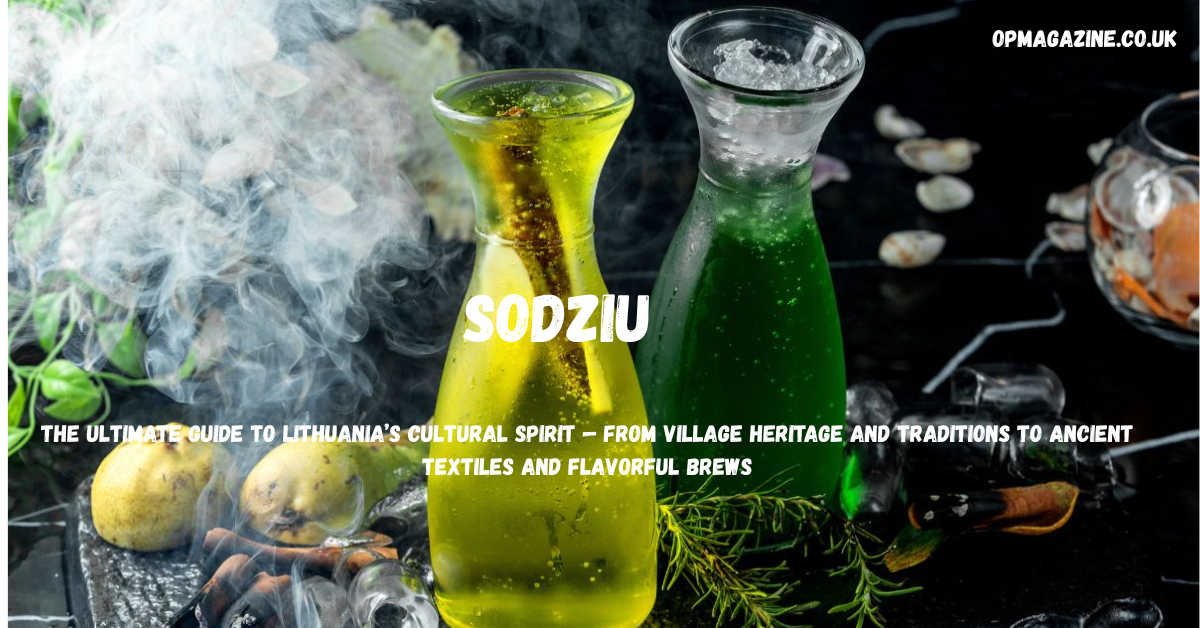
    Though not historically documented as a real Lithuanian drink, Sodziu is often celebrated in creative culinary circles as a fermented grain beverage, similar to traditional Eastern European rural brews.

    In this interpretation:

    • Sodziu is blended from locally grown grains
    • Wild herbs and natural yeast transform the mash into a slightly tangy, refreshing drink
    • Low‑alcohol fermentation connects it to harvest rituals and seasonal gatherings
    • Each village batch varies slightly in flavor, reflecting local terroir

    This conceptual beverage aligns with Sodziu’s spirit of community and tradition, celebrating agrarian heritage and the joy of shared experiences.

    Modern Innovations and Interpretations

    As cultures evolve, so do their traditions. Sodziu today is experiencing a revival—with a modern twist—across creative and cultural platforms.

    Cultural Revivals and Festivals

    Across Lithuania and within diaspora communities, traditional festivals incorporate Sodziu values:

    • Folk music and dance performances
    • Seasonal celebrations like Joninės (Midsummer)
    • Storytelling circles and folk craft exhibitions

    These events help younger generations reconnect with their roots and keep traditions alive.

    Creative Textile and Fashion Interpretations

    Designers worldwide are experimenting with Sodziu‑inspired textiles, blending natural dye techniques with contemporary aesthetics. These pieces often appear in fashion collections that celebrate sustainability and heritage craftsmanship.

    Artisans also use digital tools to replicate traditional patterns while preserving the handcrafted essence, making Sodziu textiles relevant in modern design markets.

    Culinary Creativity and Global Cuisine

    For food and beverage enthusiasts, the conceptual Sodziu drink inspires chefs and mixologists to craft beverages and pair them with Lithuanian cuisine—like potato dumplings (cepelinai) or smoked meats—bringing a fresh culinary lens to heritage flavors.

    Health Benefits and Lifestyle Connections

    While Sodziu as a beverage in this creative interpretation is fictional, its conceptual roots draw from traditional fermented drinks, which are widely studied for health benefits:

    • Probiotics that support gut health
    • Antioxidants from grains and herbs
    • Potential digestive support and nutrient diversity

    Meanwhile, living within Sodziu’s cultural framework—slow living, community engagement, seasonal rhythms, and natural foods—reflects holistic wellness values that many contemporary lifestyle movements embrace.

    How to Experience Sodziu in Your Life

    Whether inspired by heritage or creative storytelling, there are practical ways to embrace Sodziu today.

    Culinary and Lifestyle Experiences

    • Attend cultural festivals that celebrate rural Lithuanian heritage
    • Try regional foods like cepelinai, šaltibarščiai, and honey desserts paired with heritage beverages
    • Explore traditional fermented drinks at local breweries or specialty shops

    Even if Sodziu as a drink isn’t widely commercialized, exploring similar crafts and traditional beverages connects you to cultural roots.

    Fashion, Art, and Home Decor

    • Use textiles inspired by Sodziu patterns and natural dyes
    • Display handcrafted pieces that celebrate folklore themes
    • Incorporate rustic decor reminiscent of Lithuanian homesteads

    These aesthetic choices honor heritage while complementing modern design sensibilities.

    Workshops and Artisan Support

    Seek out craft workshops that focus on natural dyeing or cultural textile techniques. Engaging directly with artisans not only deepens your understanding but also helps sustain community-based art forms.

    Famous Creators and Cultural Influencers

    Across communities and creative circles, individuals are championing Sodziu’s cultural resonance. From fashion designers to cultural storytellers and diaspora educators, these advocates help keep the legacy alive:

    • Textile designers weaving heritage patterns
    • Artists incorporating rural themes into contemporary art
    • Writers exploring Sodziu’s emotional and symbolic depth

    These creators amplify Sodziu’s relevance, bridging past traditions with future innovations.

    Where to Learn, Purchase, or Support Sodziu Traditions

    If you’re eager to connect with Sodziu, here are some practical avenues:

    Workshops & Cultural Centers

    • Folk craft institutes
    • Language and heritage schools
    • Rural tourism retreats

    Markets & Specialty Shops

    • Traditional foods and handcrafted goods
    • Cultural festivals & artisan fairs
    • Online platforms with heritage collections

    Supporting these initiatives not only enriches your experience but also strengthens the communities that keep cultural traditions thriving.

    Sodziu in the Digital Age

    The digital revolution has played a major role in Sodziu’s resurgence:

    • Social media groups sharing folk art, recipes, and craft tips
    • Online storytelling platforms preserving oral traditions
    • Virtual workshops connecting global enthusiasts

    This digital footprint bridges generations and geographies—making Sodziu’s spirit accessible to anyone curious about tradition, heritage, and cultural expression.

    Future Trends and Global Impact

    Looking forward, Sodziu has the potential to:

    • Inspire creative industries like fashion, food, wellness, and home decor
    • Serve as a cultural ambassador for Lithuanian heritage worldwide
    • Influence modern interpretations of heritage lifestyles

    By connecting tradition with innovation, Sodziu becomes a timeless concept that resonates across cultural boundaries.

    Conclusion:

    Sodziu is more than just a word—it’s a tapestry of culture, memory, tradition, and creative expression. Rooted in rural heritage, it reflects the connection between people and place, storytelling and art, celebration and daily life. Whether experienced through cultural festivals, creative textiles, imagined beverages, or lifestyle practices, Sodziu invites you to slow down, connect deeply, and celebrate heritage in every moment.

    In every corner of life—from festive gatherings to handcrafted textiles and culinary explorations—Sodziu reminds us that tradition and modernity can coexist beautifully. As you incorporate Sodziu into your wardrobe, home, or daily rituals, remember that each expression carries with it generations of meaning, memory, and heart.

    FAQs

    What does Sodziu mean?

    Sodziu is a Lithuanian term that historically refers to a rural settlement or homestead. It also carries cultural and emotional significance, often used to express “in short” or “so there” in everyday speech.

    What is the cultural significance of Sodziu?

    Sodziu represents rural Lithuanian heritage, connecting generations through farming traditions, festivals, folk music, storytelling, and craftsmanship. It embodies community, history, and cultural identity.

    Is Sodziu a beverage?

    While Sodziu is not traditionally documented as a beverage, in creative interpretations it is imagined as a fermented grain drink inspired by Eastern European rural brews. It celebrates community, seasonal traditions, and heritage flavors.

    What are Sodziu textiles?

    Sodziu textiles are a modern, creative interpretation of traditional dyeing techniques. Using natural dyes and intricate patterns, artisans create fabrics that tell stories and celebrate Lithuanian folklore.

    How can I experience Sodziu today?

    You can explore Sodziu through:

    • Cultural festivals and folk celebrations in Lithuania
    • Artisan workshops focusing on natural dyes and traditional crafts
    • Creative culinary experiences with heritage-inspired foods and beverages
    • Textiles and home decor inspired by Sodziu patterns

    What materials are used in Sodziu textile art?

    Common materials include natural fabrics like cotton, linen, and silk. Natural dyes are derived from plants such as indigo, turmeric, and herbs to create vibrant patterns that reflect heritage stories.

    Are there health benefits associated with Sodziu?

    Conceptually, Sodziu as a fermented beverage can provide probiotics for digestive health, antioxidants, and nutrient diversity. Additionally, embracing Sodziu’s lifestyle values—slow living, seasonal foods, and community engagement—supports overall wellness.

    How has Sodziu adapted to modern times?

    Modern interpretations of Sodziu combine traditional techniques with contemporary design, digital textile printing, eco-friendly materials, and creative culinary applications. Social media and virtual workshops also help preserve and promote its heritage globally.

    Can I buy Sodziu-inspired products?

    Yes! You can find Sodziu-inspired textiles, home decor, and craft items at artisan markets, cultural festivals, specialty shops, and online platforms that focus on heritage craftsmanship.

    Why is Sodziu important for Lithuanian heritage?

    Sodziu preserves rural traditions, folklore, and community practices. It connects generations, fosters creativity, and serves as a cultural ambassador, promoting Lithuanian heritage locally and globally.

    How can I learn Sodziu techniques?

    You can participate in workshops hosted by cultural centers, heritage schools, or artisan collectives. Online tutorials and virtual classes also offer insights into Sodziu textile techniques, dyeing, and folklore traditions.

    Is Sodziu recognized internationally?

    While rooted in Lithuanian culture, Sodziu’s concepts—textile artistry, community traditions, and creative beverages—are gaining international attention through festivals, digital media, and global artisan networks.

  • Valplekar: The Ultimate Guide to Puppy Play, Growth, and Daily Development

    Valplekar: The Ultimate Guide to Puppy Play, Growth, and Daily Development

    Raising a puppy is one of life’s most rewarding experiences — and valplekar is at the heart of it. Originating from Swedish (valp meaning “puppy” and lekar meaning “play”), valplekar refers to intentional play designed to support the full development of puppies. This includes physical activity, mental stimulation, socialization, and bonding with humans. Far more than just entertainment, valplekar is essential for shaping confident, healthy, and well-adjusted adult dogs.

    In this comprehensive guide, we’ll walk through every aspect of valplekar — from how it influences puppy growth to practical activities, routines, expert tips, nutrition, safety, and more.

    Valplekar is not random running around — it is purposeful play that builds the foundation of a dog’s lifelong health and behavior. Puppies have unique developmental needs. Without appropriate play and stimulation, they can become bored, anxious, or develop behavioral issues like aggression or destructive chewing.

    Structured play — such as a game of fetch — works on coordination, obedience, and confidence. Unstructured play — like exploring a backyard — encourages curiosity and sensory learning. Together, these forms of play help puppies learn about their bodies, minds, and social world.

    Valplekar is considered a core part of raising a balanced puppy, not a luxury or optional extra.

    Understanding Puppy Growth and Development

    Puppies grow at astonishing speed, and each stage of development comes with unique needs. Understanding these phases helps owners tailor valplekar to support healthy growth.

    Neonatal Stage (0–2 Weeks)

    At this very early stage, puppies mostly sleep and nurse. Play in the strict sense doesn’t happen yet. Their nervous system and senses are still developing, and they rely completely on their mother.

    Transitional Stage (2–4 Weeks)

    Puppies start to open their eyes and ears. Their movement becomes intentional and they begin interacting gently with littermates. Short, gentle play can begin here under supervision.

    Socialization Stage (4–12 Weeks)

    This is one of the most critical windows for learning. Puppies are especially receptive to new experiences and play helps them learn social cues, body language, and bite control. Early exposure to varied experiences reduces the risk of fear, anxiety, and aggression later in life.

    Juvenile Stage (3–6 Months)

    This is when puppies become more physically capable and mentally curious. Valplekar here shifts toward more structured games and basic training, helping build coordination, obedience, and problem-solving skills.

    Why Growth and Development Matter:

    • Strengthens bones, muscles, and joints
    • Improves coordination and reflexes
    • Supports immune system health
    • Builds resilience, confidence, and cognitive flexibility

    What Is Valplekar?

    Valplekar is a holistic approach to puppy play designed to serve multiple developmental functions:

    Physical Exercise

    Activities like fetch, tug-of-war, and running through low obstacles help puppies build strength, stamina, and coordination. Play also supports heart and respiratory health.

    Mental Stimulation

    Engaging the brain is just as important as physical play. Puzzle toys, hide-and-seek games, scent trails, and treat hunts keep puppies mentally sharp and help them practice problem-solving.

    Social Interaction

    Play is how puppies learn about communication, boundaries, bite inhibition, and cooperative behavior. Interacting with humans and other dogs teaches puppies how to interpret body language and respond appropriately.

    Bonding and Trust

    Play builds trust between the puppy and owner. Positive play experiences make training easier and strengthen emotional bonds.

    Valplekar can take place indoors or outdoors, in structured sessions or during spontaneous exploration, and can be adapted for puppies of any breed or size.

    Core Benefits of Valplekar

    Physical Health and Development

    Regular physical play helps:

    • Build muscle tone and strength
    • Improve endurance and stamina
    • Enhance reflexes and balance
    • Maintain a healthy weight
    • Support joint and bone development

    Physical play such as fetch and running keeps puppies active and reduces the risk of obesity and related health issues.

    Mental Stimulation and Cognitive Growth

    Valplekar challenges puppies’ brains:

    • Puzzles and treat hunts encourage reasoning and focus
    • Hide-and-seek strengthens memory and scent tracking
    • Obstacle courses promote coordination and decision-making

    Mental stimulation reduces boredom-related behaviors and improves impulse control and problem-solving abilities.

    Socialization and Emotional Growth

    Play teaches puppies:

    • Communication with other dogs
    • Reading body language
    • Bite inhibition
    • Appropriate greetings and boundaries

    Proper socialization helps puppies become confident adult dogs and reduces fear-based reactions.

    Bonding with Owners

    Valplekar strengthens the human-puppy relationship. Play is an opportunity for positive reinforcement, mutual trust, and communication, making training more effective and enjoyable.

    Popular Valplekar Activities

    Structured Play

    Fetch: Builds stamina and reinforces recall commands.
    Tug-of-War: Helps with strength and bite control (ensure puppies release the toy on command).
    Obstacle Courses: Improves agility, confidence, and coordination.


    Unstructured Play

    Hide-and-Seek: Great for scent development and problem-solving.
    Free Exploration: Encourages curiosity in safe environments.
    Social Playdates: Teach social interaction and behavior norms.

    Creating a Daily Valplekar Routine

    Consistency helps puppies thrive. A balanced routine might include:

    Morning:

    • Short fetch session (10–15 mins)
    • Basic obedience commands (sit, stay, come)

    Midday:

    • Puzzle toys and indoor exploration

    Afternoon:

    • Outdoor play or social playdates

    Evening:

    • Gentle bonding and cuddle time

    Tips:

    • Rotate toys for variety
    • Adjust play intensity according to breed and age
    • Supervise all sessions to prevent injury

    Nutrition and Supplementation

    Proper nutrition underpins all valplekar benefits. Puppies need:

    • High-quality protein for muscle development
    • Calcium and phosphorus for bone strength
    • Essential vitamins and fats for coat and immune health

    Supplements like omega-3 fatty acids can support growth, but consult your veterinarian before introducing them.

    Safety Measures for Valplekar

    Safety is critical:

    • Choose age-appropriate toys
    • Avoid overexertion
    • Watch for choking hazards
    • Provide breaks and fresh water
    • Supervise interactions with other dogs

    Proper precautions prevent injuries and keep play enjoyable.

    Adapting Valplekar for Different Breeds and Energy Levels

    • High-energy breeds (e.g., Border Collies, Retrievers): Longer play sessions and more outdoor activity
    • Small or calm breeds (e.g., Pugs, Dachshunds): Shorter sessions with gentle games
    • Large breeds (e.g., Great Danes, Shepherds): Low-impact play to protect joints

    Customization ensures all puppies receive exercise, stimulation, and socialization suited to their energy and growth patterns.

    Common Mistakes to Avoid

    Avoid:

    • Overexertion or too-intense play for young puppies
    • Ignoring mental and social stimulation
    • Skipping structured daily routines
    • Using unsafe toys or environments

    Mistakes can undermine development and cause stress or injury.

    Expert Tips to Maximize Valplekar Benefits

    • Start small: Short sessions, gradually increasing duration
    • Mix activities: Include physical, mental, and social play daily
    • Reward positive behavior: Use praise and treats
    • Indoor/outdoor balance: Adapt based on weather and space
    • Watch puppy signals: Know when they’re tired or overstimulated

    These strategies keep valplekar effective and enjoyable.

    Applying Valplekar Principles Beyond Puppies

    The principles of structured activity, mental challenges, and social engagement can apply beyond puppies:

    Productivity and Efficiency

    Structured breaks and varied tasks boost focus and engagement in humans.

    Customizable Solutions

    Intentional play principles can be adapted to developmental goals in education, work, and personal growth.

    Understanding how structured play impacts growth helps create environments that support learning and well-being.

    Benefits of Regular Valplekar

    • Strong bones, muscles, and joints
    • Enhanced cognitive and emotional skills
    • Improved social behavior
    • Reduced anxiety and destructive habits
    • Stronger owner-puppy bond

    Consistency in valplekar sets the foundation for a healthy and happy adult dog.

    Conclusion:

    Valplekar is more than play — it’s a structured, evidence-based approach to puppy development that nurtures body, mind, and social skills. Combining physical exercise, mental stimulation, socialization, and bonding helps puppies grow into confident, well-behaved adult dogs. Balanced routines, proper nutrition, and expert guidance help puppies thrive from their first weeks onward.

    FAQs

    What is valplekar?
    Valplekar is Swedish for “puppy play,” encompassing exercises that support physical, mental, and social development.

    How often should puppies do valplekar?
    Several short sessions daily (30–60 mins total), adapted to age and energy levels.

    Can valplekar prevent behavioral issues?
    Yes — sufficient play and socialization reduce anxiety, aggression, and destructive behavior.

    Is valplekar suitable for all breeds?
    Yes — activities can be tailored to breed size, temperament, and energy.

    Can adult dogs benefit from valplekar?
    Absolutely — mental stimulation and physical play remain valuable throughout a dog’s life.

  • Mannacote: The Ultimate Guide to History, Recipes, Culture, and Modern Uses 2025

    Mannacote: The Ultimate Guide to History, Recipes, Culture, and Modern Uses 2025

    Few food terms spark curiosity quite like mannacote. Is it a pasta dish? A cultural quirk? A culinary legend passed down through generations? The answer is all of the above — and more. While mannacote has roots deeply tied to the Italian‑American pronouncing of manicotti, it has evolved into a concept with surprising culinary, cultural, and even modern lifestyle relevance.

    In this comprehensive guide, we’ll explore every facet of mannacote: its origins, its place in American and Italian cuisine, authentic recipes, health perspectives, and the cultural meaning behind the name. Whether you’re a home cook, a food enthusiast, or someone interested in food history, this guide will give you a complete understanding of mannacote — from kitchen to culture.

    What Is Mannacote? – Definition and Origins

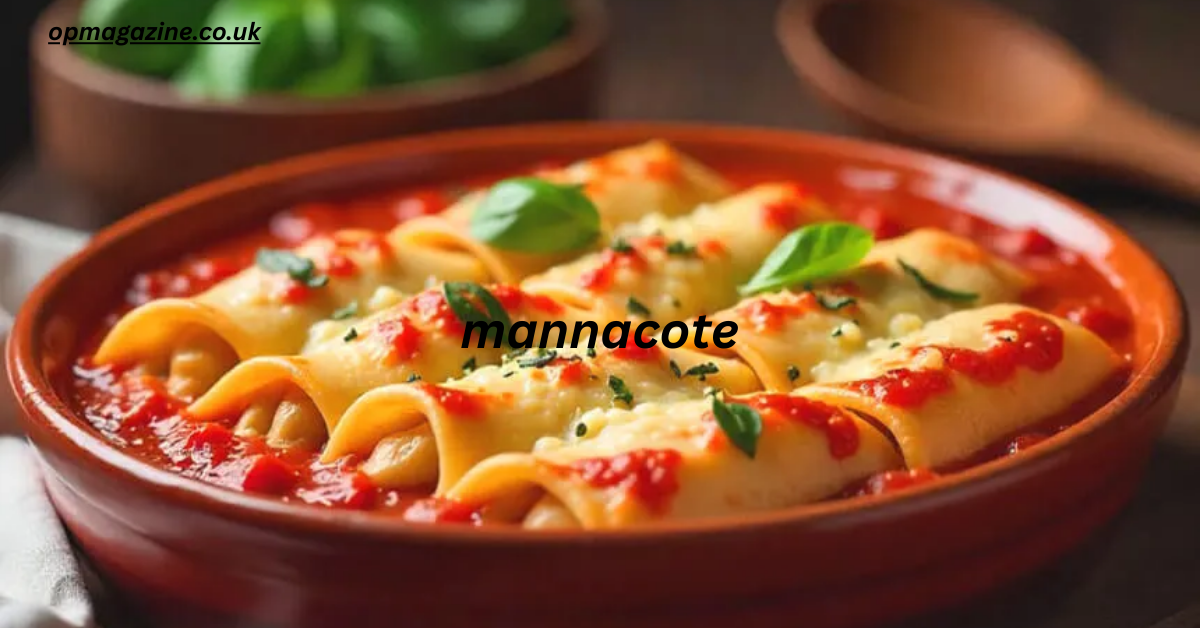
    “Mannacote” is widely understood as a phonetic or colloquial variation of the Italian‑American pasta dish manicotti — large, tube‑shaped pasta filled with cheese or meat and baked with sauce. Although the word “mannacote” doesn’t usually appear in traditional dictionaries, it’s become a beloved expression in many households across the United States.

    The term likely emerged from Italian immigrant communities where accents, dialects, and generational reinterpretations transformed manicotti into mannacote. It’s similar to how other Italian‑American food names evolve — think “fazool” for fagioli. But more than just a name, mannacote has become a cultural artifact, a word that evokes family dinner tables, holiday feasts, and traditions that tie generations together.

    Mannacote vs. Manicotti vs. Cannelloni

    To truly appreciate mannacote, it helps to understand how it relates — and differs — from similar pasta dishes:

    • Manicotti: Traditionally refers to pre‑formed, ridged large pasta tubes that are boiled, stuffed, and baked. This is the most common version in Italian‑American kitchens and is what most people think of when they hear mannacote.
    • Cannelloni: An Italian dish involving fresh pasta sheets wrapped around filling rather than pre‑formed tubes. In Italy, cannelloni may be served with lighter sauces or béchamel, and it dates back to early 20th‑century Italian cuisine.

    Although the dishes share similar concepts — pasta plus filling plus sauce — the differences lie in preparation, shape, and cultural context. Mannacote is essentially the manicotti here in America — a comfort food shaped by the Italian‑American experience.

    History and Cultural Significance

    Mannacote is not just a dish; it’s a story of migration, adaptation, and identity. Italian immigrants arriving in the United States brought with them culinary traditions that had to adapt to new ingredients, different kitchen tools, and English‑speaking neighbors. Over time, those adaptations altered not just how dishes were prepared but how they were talked about. Mannacote, in many families, became a marker of growing up — the dish Grandma always made for holidays or Sunday dinners.

    Italian cuisine — including pasta — holds an elevated place in American food culture. Italian food is served in over 100,000 restaurants across the U.S., and pasta and pizza remain perennial favorites among consumers. This cultural embrace helped dishes like manicotti spread beyond strict Italian communities to become beloved household classics.

    Traditional Mannacote Recipe

    At its core, mannacote (manicotti) is a rich and satisfying baked pasta dish. It combines creamy fillings, flavorful sauces, and cheese‑laden goodness that appeals to all ages.

    Key Ingredients

    • Large pasta tubes (or fresh sheets rolled into tubes)
    • Ricotta cheese — creamy and mild
    • Mozzarella — for melt and stretch
    • Parmesan — sharp and nutty
    • Marinara sauce — tangy tomato base
    • Fresh herbs like basil or parsley
    • Optional: ground beef, sausage, or sautéed spinach

    This mixture of simple ingredients delivers deep flavor — a signature of Italian‑American comfort cooking. Manicotti

    Step‑by‑Step Recipe Instructions

    Here’s how to make classic mannacote at home:

    1. Preheat Oven: 375°F (190°C).
    2. Boil Pasta: Cook pasta tubes until just shy of al dente. Drain and cool.
    3. Prepare Filling: In a large bowl, blend ricotta, mozzarella, Parmesan, eggs (to bind), parsley, salt, and pepper. Add cooked ground meat or sautéed spinach if desired.
    4. Stuff the Tubes: Use a piping bag or spoon to fill each tube carefully.
    5. Layer Sauce: Spread marinara on the bottom of a baking dish.
    6. Arrange Pasta: Place stuffed tubes snugly in the dish.
    7. Top with Sauce and Cheese: Add extra marinara and a final layer of shredded mozzarella.
    8. Bake: Cover with foil and bake ~25‑30 minutes. Remove foil in the last 10 minutes for browning.
    9. Rest: Let sit 10 minutes before serving so it sets and slices neatly.

    Serve hot with crusty bread and a fresh salad for a classic Italian‑American meal experience. Manicotti

    Nutritional Facts and Health Considerations

    A plate of mannacote is delicious — but what about nutrition? Stuffed baked pasta dishes like manicotti typically range:

    • Calories: ~380–420 per serving
    • Protein: ~18–22g
    • Carbs: ~40–45g
    • Fat: ~14–18g (higher if rich cheeses are used) mannacote.co.uk

    Traditional versions tend to be rich due to cheese and pasta — but there are ways to make it healthier:

    • Use whole‑wheat pasta for added fiber.
    • Incorporate vegetables like spinach, mushrooms, or zucchini.
    • Choose part‑skim or lower‑fat cheeses.

    Balancing indulgence with nutrition makes this comfort food fit into modern mealtime habits without guilt.

    Common Cooking Mistakes and How to Fix Them

    Even seasoned home cooks can encounter common issues with mannacote:

    • Overcooked Pasta: Too soft and tears easily. Fix by boiling to just under al dente — it will finish cooking in the oven.
    • Soggy Filling: Excess moisture in ricotta leads to wet consistency. Drain cheese well before mixing.
    • Dry Texture: Caused by insufficient sauce or overbaking. Use plenty of marinara and keep covered until final browning.
    • Split Tubes: Overstuffing puts pressure on the pasta. Leave some room for the filling to expand.

    Learning these tips ensures a perfectly baked, flavorful dish every time.

    Healthier Variations and Modern Twists

    Mannacote is adaptable. Modern diets and preferences have inspired creative versions:

    • Gluten‑free pasta tubes
    • Plant‑based cheese for dairy‑free diets
    • Vegetable‑packed fillings (spinach, mushrooms, roasted peppers)
    • Lean proteins such as turkey or chicken
    • Portion‑controlled mini tubes

    These adaptations maintain the essence of the dish while addressing contemporary dietary needs.

    Serving and Storage Tips

    • Best Pairings: Fresh green salad, sautéed greens, or garlic bread.
    • Storage: Refrigerate leftovers in airtight containers for up to 4 days. Freeze portions for up to 3 months.
    • Reheating: Warm in the oven with foil to retain moisture. Microwave only for quick individual servings.

    This flexibility makes mannacote ideal for busy families and meal prepping.

    Mannacote in Italian‑American Culture

    Mannacote transcends its ingredients — it’s wrapped in cultural identity. In Italian‑American households, this baked pasta dish often appears at holidays, family gatherings, and Sunday dinners. It connects generations through memory and shared meals. Dishes like mannacote become traditions — more than recipes, they’re stories passed down at the table.

    Italian cuisine overall has a powerful presence in the U.S. — served in tens of thousands of restaurants nationwide — making traditional dishes like this familiar to many Americans.

    Mannacote in Modern Contexts (Optional Advanced Sections)

    While mannacote is primarily known as comfort food, its name and concept can inspire:

    • Culinary Products: Some home chefs explore additives like stabilizers to make baked pasta easier to assemble and bake.
    • Wellness & Supplements: Inspired by the word’s memorable sound, some brands might use the name for health products (e.g., collagen or adaptogen blends).
    • Gardening Applications: In fictional or branding contexts, “mannacote” could describe a slow‑release organic fertilizer.

    These modern interpretations show how language and food culture can inspire beyond the kitchen.

    The Emotional Power of Food Mispronunciations

    Names like mannacote illustrate how language evolves naturally. Mispronunciations — such as “fazool” for fagioli — become markers of identity, belonging, and tradition. They echo family dinners, childhood memories, and cultural blending.

    This emotional resonance helps elevate a simple pasta dish into something rich with meaning.

    Cultural and Semantic Power of Mannacote

    From food to branding potential, mannacote reveals the value of unique, memorable words. Its versatility — tied to food, culture, and modern usage — makes it an excellent anchor for content, products, and community stories.

    Food language isn’t static — it evolves with people, climates, and kitchens. Mannacote is a great example.

    Final Thoughts

    Mannacote means more than pasta. It is comfort, culture, heritage, and creativity. From its roots in Italian‑American homes to its presence on modern dinner tables, the dish holds a special place in cuisine. Whether you call it mannacote, manicotti, or “Grandma’s favorite,” this baked pasta favorite unites taste with tradition.

    FAQs

    1. What is mannacote?
    Mannacote is another name for the Italian‑American pasta dish commonly known as manicotti — a cheese‑filled baked tube pasta with sauce.

    2. Is mannacote the same as manicotti?
    Yes, in most cases mannacote refers to manicotti, the same delicious baked pasta dish.

    3. What makes mannacote special?
    Its cultural significance and comforting recipe make it a staple at family meals and special occasions.

    4. Can I adapt mannacote for dietary needs?
    Yes! You can use gluten‑free pasta, plant‑based cheeses, and lean or vegetable fillings to suit your preferences.

    5. How do I avoid soggy or dry mannacote?
    Drain some cheese moisture, use enough sauce, and bake covered until final browning to maintain texture.