What is Žižole?
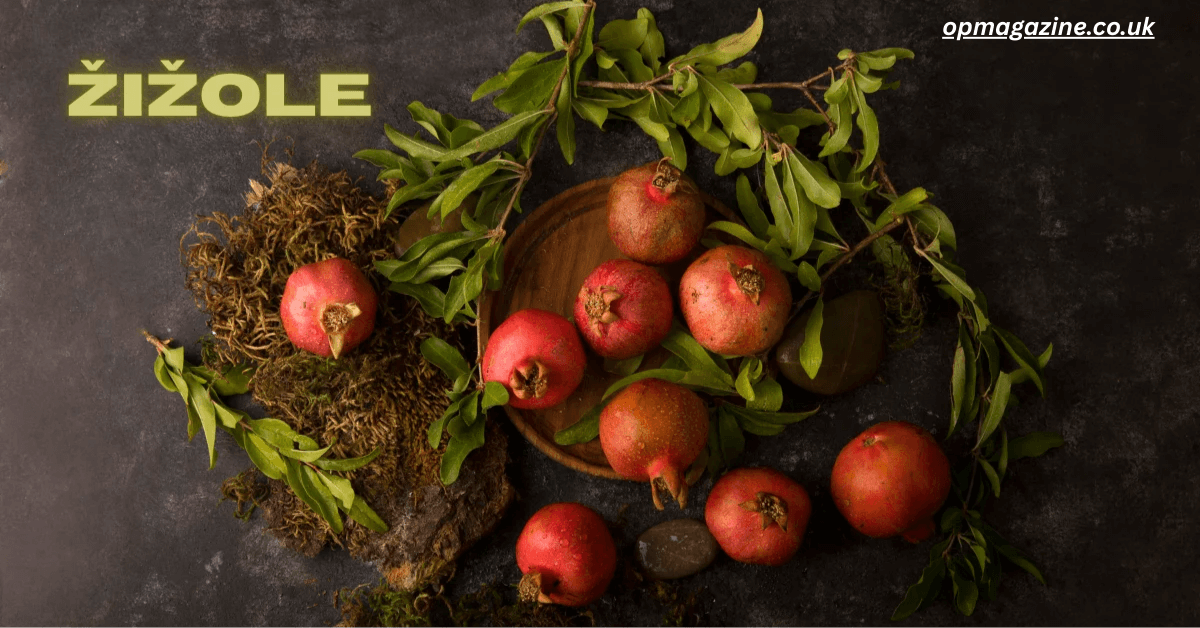
Žižole refers to the fruit of the tree scientifically known as Ziziphus jujuba — better known globally as jujube, Chinese date, or red date. These small drupes are deceptively simple on appearance, yet packed with nutrition and centuries of cultural significance.
When fresh, žižole have a crisp, apple‑like texture and a sweet‑tart flavor. When dried, their texture becomes chewy and their flavor intensifies — closer to that of dates, making them a versatile fruit for snacking, cooking, or medicinal uses.
Why is žižole gaining popularity?
- Their nutrient profile: despite being small, žižole are rich in vitamin C, fiber, minerals, and antioxidants — attributes that cater to modern health and wellness demands.
- Their versatility: they can be eaten fresh or dried, incorporated in sweet or savory dishes, made into teas or tonics.
- Traditional and emerging medicinal interest: used for millennia in Eastern medicine, and now being revisited in light of modern scientific research.
In the following sections, we’ll explore žižole from its ancient roots to modern kitchens, its health and nutritional profile, cultivation practices, and global potential.
History and Cultural Significance
Origins and Early Cultivation
Žižole (jujube) is native to China. The species Ziziphus jujuba has been cultivated there for more than 4,000 years.
Archaeological evidence from the Qi River Basin in northern China reveals wild jujube kernels dating to the Neolithic period — showing that humans collected and likely cultivated these even in prehistoric times.
Over centuries, as trade routes and human migration expanded, the cultivation and use of jujube spread beyond China — across Central Asia, the Middle East, South Asia (e.g. India), and parts of Southern Europe and the Mediterranean.
Symbolism, Folklore, and Traditional Medicine
- In China, the jujube (žižole) earned high regard in traditional medicine and in popular legend — sometimes referred to as “fruit of immortality.” Its long history in herbal medicine and as a staple fruit underlines its cultural and symbolic importance.
- Across regions, žižole became more than just food: it features in folklore, traditional ceremonies, and rituals. In many cultures, it signified health, longevity, fertility, and prosperity. (While exact folkloric traditions vary by region, the global spread of the fruit ensured its embedding in local customs.)
- Its use in traditional medicine persisted for millennia — addressing sleep issues, digestive problems, immune health, stress and anxiety, among others. Such uses elevated it from everyday fruit to a revered medicinal and cultural symbol.
Botanical Profile of Žižole
Taxonomy & Tree Description
- Scientific name: Ziziphus jujuba (common jujube).
- Family: Rhamnaceae (buckthorn family).
- Growth form: small deciduous tree or shrub, typically 5–9 m (≈ 17–30 ft) tall.
- Leaves: shiny‑green, ovate to elliptic, about 2.5–7.6 cm long.
- Flowers: small, yellowish-green, inconspicuous — giving way to edible fruit.
Fruit Description
- The fruit is a drupe — round to oval, size comparable to a small plum or large olive.
- Flesh: crisp, white/cream when fresh, surrounding a single hard pit (stone) which contains the seed(s).
- Skin/Color & Ripening: starts green; as it matures changes to yellow‑green, then reddish or reddish‑brown, and finally dark and wrinkled when dried.
- Taste/Texture: fresh žižole offers a mildly sweet, apple-like taste and crunchy texture; dried žižole becomes chewier, sweeter, more date‑like.
Growth Conditions & Cultivation
- Climate & Soil: żižole trees thrive in hot, dry or semi-arid climates; they tolerate a variety of soil types (sandy, loamy, moderately saline), provided soils are well‑drained.
- Drought Tolerance: the trees are drought‑resistant and hardy, giving them an advantage in arid or marginal lands.
- Propagation: though they can propagate by seeds, commercial cultivation usually relies on vegetative propagation (suckers, root cuttings, grafting) to maintain consistency in fruit quality.
- Pest Resistance: jujube trees resist many common pests and diseases, adding to their value as low‑maintenance perennials — a boon for sustainable agriculture.
Given this botanical profile and hardy nature, žižole emerges as a fruit well-suited for cultivation in regions with challenging climates — an important benefit under increasingly volatile weather conditions due to climate change.
Nutritional Composition of Žižole
One of žižole’s greatest strengths lies in its rich nutritional profile — offering vitamins, minerals, fiber, and bioactive compounds in a compact, low‑calorie package.
Macronutrients and Micronutrients
For a 100 g serving of fresh jujube (žižole):
- Calories: ~79 kcal
- Carbohydrates: ~20 g
- Dietary Fiber: ~3.6–10 g (varies by source and ripeness)
- Protein: ~1–1.2 g
- Fats: negligible (~0.2 g)
Micronutrients & Phytonutrients:
- Vitamin C: ~69–77% of the recommended daily value per 100 g serving.
- Potassium, Iron, Calcium, Phosphorus, Manganese, Zinc, Copper: present in varying amounts depending on soil, cultivar, and maturity.
- Phytonutrients: flavonoids, polysaccharides, triterpenic acids, polyphenols, saponins, and other bioactive compounds.
In some analyses, dried jujube (žižole) shows higher concentrations of certain nutrients — especially minerals and phytonutrients — due to removal of water.
Nutrient Density & Comparison
Because žižole are relatively low in calories yet high in vitamin C, fiber, and phytonutrients, they represent a nutrient-dense food — a quality that aligns with modern “superfruit” criteria. Compared to many common fruits, their antioxidant and micronutrient content per calorie can be particularly favorable.
Given their diverse content of vitamins, minerals, fiber, and antioxidants, žižole can support many aspects of health — from immunity to digestion to cellular protection. In the next section, we’ll explore those potential health benefits.
Health Benefits of Žižole
Scientific studies — along with centuries of traditional medicine use — suggest multiple health benefits of žižole. It’s important to note, however, that while evidence is promising, much of it comes from animal or laboratory studies; human clinical studies remain limited.
Immune Support and Antioxidant Power
Žižole are rich in antioxidants: flavonoids, polysaccharides, triterpenic acids, and high vitamin C all contribute to their antioxidant capacity.
These antioxidants help neutralize free radicals — reactive molecules that can cause oxidative stress, cell damage, and contribute to chronic diseases such as heart disease, diabetes, and cancer.
By combating oxidative stress, žižole may help reduce inflammation and support overall cellular health. This defensiveness against free radicals underpins many of the fruit’s traditional uses — from longevity to vitality.
Digestion & Gut Health
Thanks to their fiber content, žižole can support healthy digestion. Dietary fiber adds bulk to stools, helps regulate bowel movements, and may prevent constipation.
Moreover, some studies suggest that extracts of jujube may strengthen the lining of the digestive tract, offering protective effects against ulcers or irritations — at least in animal models.
Regular, moderate consumption of žižole can therefore support gut health, regularity, and may contribute to a healthier microbiome (via fiber feeding beneficial gut bacteria).
Immune, Nervous‑System & Stress‑Related Benefits
In traditional Eastern medicine, žižole is often used to support sleep, relieve stress or anxiety, and calm the nervous system.
Recent preclinical studies support some of these claims: jujube fruit and seed extracts have shown sedative and anxiolytic effects in animal studies, improving sleep duration and reducing stress markers.
Additionally, some compounds in žižole may help protect brain cells and support cognitive health — for example, in animal models of neurotoxicity.
Thus, žižole can be seen not only as a nutritious fruit, but also as a mild adaptogen / calming agent — especially valued for mental wellness and sleep support.
Skin, Anti-Aging & Cellular Protection
Because of their antioxidant content, žižole may help combat oxidative stress — a major contributor to aging, skin damage, and chronic disease.
Their vitamin C content also supports collagen synthesis — beneficial for skin elasticity, repair, and wound healing. While direct human trials are limited, the nutrient composition supports the plausibility of skin‑health and anti-aging benefits.
Heart Health & Metabolic Support
Žižole provide minerals such as potassium, which supports healthy blood pressure and electrolyte balance.
Moreover, fiber and polyphenolic compounds may help regulate cholesterol levels and support cardiovascular health — as often observed with high-fiber, antioxidant-rich fruits.
Some preliminary research even suggests potential metabolic benefits — including blood sugar regulation — though more human studies are needed to confirm these effects.
Culinary Uses
One of žižole’s great charms is how versatile it is in the kitchen. From traditional recipes to modern dishes — from snacks to teas — žižole can adapt to many culinary styles.
Traditional Dishes and Uses
- Fresh žižole can be eaten raw — crisp and refreshing, like a small apple.
- Dried žižole has been traditionally used in Asian cooking: stews, congee, soups, herbal teas, desserts, and sweet dishes. In Chinese cuisine, dried jujubes are common in medicinal soups and teas.
- In Middle Eastern, Mediterranean, South Asian, and Central Asian cuisines, dried jujube-like fruits (or similarly used local varieties) have been used as snacks, ingredients in sweets, or as natural sweeteners.
Modern Culinary Trends
With increasing global interest in “superfruits” and natural, healthy snacks, żižole is re-emerging in modern diets:
- As a healthful snack — fresh or dried, replacing processed candies or sugary snacks.
- In smoothies, mixed with nuts, seeds, and other fruits — offering a natural sweetness and nutritional boost.
- As a substitute for dates or raisins in baking: breads, muffins, energy bars, cookies.
- In teas and herbal drinks — either dried žižole steeped in hot water, or blends with other herbs for wellness drinks.
- In desserts and confections — jams, compotes, syrups, desserts that benefit from natural sweetness and chewy texture.
Given žižole’s flavor profile (apple‑like when fresh; date-like when dried), it can fit both sweet and savory recipes, making it a valuable kitchen ingredient for creative cooks and health‑oriented chefs alike.
Traditional and Modern Medicine Uses
Traditional Uses in Folk and Eastern Medicine
For centuries, żižole has been used in traditional Chinese medicine (TCM) and folk remedies across Asia and the Mediterranean. Common uses include:
- Promoting restful sleep, calming the mind, reducing anxiety or stress
- Supporting digestion, gut health, and alleviating digestive discomfort
- Boosting vitality, immunity, and general wellness — often regarded as a tonic fruit
- Enhancing blood health, energy, and supporting recovery, especially when dried fruit is combined with herbs or teas
These traditional uses helped żižole earn the reputation of a “healing fruit” — valued not just for nutrition, but for overall well‑being.
What Modern Scientific Research Says
Recent nutritional and pharmacological research validates several of żižole’s traditional uses:
- Antioxidant and anti‑inflammatory effects: Because żižole contain flavonoids, polysaccharides, triterpenic acids, and other phytochemicals, they can help neutralize free radicals and reduce inflammation — mechanisms linked to reduced risk of chronic diseases. Healthline+2General Health Magazine+2
- Neuroprotective and sleep‑supporting potential: Animal studies of jujube fruit and seed extracts indicate improved sleep quality and stress reduction; they also show potential neuroprotective effects.
- Digestive health: High fiber helps digestion; some studies suggest extracts may support the intestinal lining and gut health.
- Cardiovascular support: Minerals (potassium, trace minerals) plus antioxidant and fiber content can support heart health and blood pressure — though large‑scale human studies remain limited.
Important caution: While żižole is generally safe for most people, some interactions have been noted in studies — especially when taken in extracts or high doses. For example, potential interactions with certain medications (especially those affecting the nervous system) have been observed in some animal studies.
Hence, żižole should not be seen as a “cure‑all,” but rather as a nutritious, potentially beneficial addition to a balanced diet and lifestyle — ideally under the guidance of a healthcare provider if you have underlying conditions or take medications.
Growing Your Own Žižole Tree
Given its hardiness and adaptability, growing a žižole (jujube) tree can be rewarding — whether for personal fruit harvest, small‑scale farming, or sustainable agriculture.
Planting Techniques
- Site selection: Choose a location with full sun (6–8 hours daily) and well‑drained soil (sandy, loamy, or slightly saline soils are acceptable). Avoid heavy water‑logging or poor drainage.
- Propagation: While seeds can be used, for consistent fruit quality it’s better to use vegetative propagation methods like root‑cuttings, suckers or grafting (especially if you want known cultivar traits).
- Planting: Dig a hole twice the width of the root ball; ensure roots are spread out evenly; backfill with good soil and water thoroughly. For the first year, provide regular watering (every 1–2 weeks) to help establish roots — but avoid over-watering.
Maintenance & Care
- Pruning: Recommended in late winter to remove dead or diseased branches, improve air circulation, and encourage healthy growth.
- Water and soil: While drought‑tolerant, occasional watering during fruiting season improves yield and fruit quality. Avoid water‑logging.
- Pest & disease: Jujube trees are relatively pest‑resistant and hardy — a strong advantage for low‑input, sustainable cultivation.
Harvesting & Storage
- Harvest time: Depending on region and cultivar, fruit typically matures in late summer to fall. When the skin turns reddish‑brown and fruit feels slightly soft (or when dried and wrinkled), it’s ready.
- Harvest method: Gently twist or snap fruit off the branch; for dried fruit, many growers let fruit remain on tree until fully shriveled for maximum sweetness.
- Storage & Preservation: Fresh žižole store best in cool, dry places and should be eaten within a few days. Dried žižole — due to low water content — can last for months when stored in airtight containers. For longer shelf life, vacuum‑seal or refrigerate.
Given its low maintenance and resilience, žižole offers a viable fruit tree option even in climates where typical fruit trees struggle — making it attractive for sustainable, climate-resilient agriculture.
Market Value and Economic Importance
Though żižole may not yet have mainstream popularity in many Western markets, it has strong potential — especially given rising demand for “superfruits,” healthy snacks, and sustainable agriculture.
Traditional and Export Markets
- In China, Iran, parts of India, and the Middle East, jujube has long been a staple fruit — consumed fresh, dried, and used in traditional medicine.
- As global awareness of health and nutrition grows, demand in Europe, North America, and other regions for dried jujube (žižole) is gradually increasing — especially among health‑conscious consumers seeking natural snacks, teas, or functional foods.
Organic & Sustainable Farming Opportunities
Žižole’s natural drought tolerance, pest resistance, and low maintenance needs make it especially attractive for organic or regenerative agriculture. Farmers can grow żižole with minimal chemical inputs, relying instead on the tree’s inherent resilience. This lowers cost, enhances sustainability, and aligns with modern consumer demand for “clean” and eco-friendly produce.
Value‑added Products & Food Industry
The versatility of žižole opens doors for value‑added products: dried fruits, energy bars, health snacks, herbal teas, syrups, jams, and more. Given rising interest in natural, whole‑food-based products, żižole could become a key ingredient in wellness‑oriented food lines.
Further, with advances in fruit-sorting and grading (for example, machine‑learning methods to classify jujube fruit quality based on size, shape, wrinkles, etc.), producers can standardize quality and target export markets — increasing profitability.
Sustainability and Ecological Role
Žižole isn’t just good for people — it’s potentially good for the planet.
Biodiversity & Pollinator Support
The flowers of žižole trees attract pollinators (bees, insects) — supporting local biodiversity. In landscapes where few fruit trees survive due to aridity or soil issues, żižole can provide a resilient source of food for both humans and wildlife.
Climate Resilience & Drought Tolerance
As global climate change intensifies and droughts become more frequent, drought‑tolerant fruit trees like żižole are rising in importance. Their ability to thrive in semi‑arid, well‑drained soils — often marginal lands unsuitable for conventional crops — makes them ideal candidates for climate‑smart agriculture.
Low-input Agriculture & Sustainability
Because żižole trees are pest‑resistant, drought‑tolerant, and require minimal maintenance, they fit well into low‑input, sustainable, or permaculture‑oriented farming systems. This reduces water use, chemical inputs, and labor — all positive from an ecological and economic standpoint.
Thus, żižole embodies a fruit that is nutritious, culturally rich, and ecologically resilient — a rare combination in today’s agricultural landscape.
Fun Facts, Cultural Trivia & Myths
- Multiple names: While you call it “žižole,” globally it’s better known as jujube, Chinese date, red date, or Chinese red date.
- From apple‑like to date‑like: Fresh żižole tastes like a small apple; dried żižole tastes more date-like — giving you two distinct flavor‑texture experiences from the same fruit.
- Ancient fruit: As mentioned, humans have consumed jujube for over 4,000 years — making it one of the oldest cultivated fruits still widely used.
- More than 400 varieties: Across different regions and climates, jujube has been cultivated in many cultivars, each with varying size, taste, shape, and fruiting time.
- Not actually a date: Despite the common name “Chinese date” or “red date,” žižole is not related to the date palm — it belongs to a different botanical family.
- Natural sedative: Traditional medicine often uses žižole to promote better sleep, reduce anxiety, and calm the mind — giving it a cultural place as a “healing fruit.”
Common Myths and Misconceptions
- “Žižole will make you immortal.” While žižole is nutritious and beneficial, it’s not a magical cure — long life depends on many factors (diet, lifestyle, environment). Antioxidants and nutrients help, but they don’t guarantee immortality.
- “Dried žižole are always healthy.” Dried fruits are more calorie‑dense and sugar‑concentrated than fresh ones. Overconsuming dried żižole (or any dried fruit) can lead to excess calorie or sugar intake. So moderation is key.
- “Everyone should eat żižole.” For most people, žižole is safe; but individuals on certain medications (especially affecting the nervous system), or with allergies, should consult a doctor — especially if using fruit extracts or large amounts.
- “Żižole is hard to grow.” On the contrary: żižole is quite hardy, drought‑tolerant, and pest‑resistant — often easier to maintain than many conventional fruit trees.
Conclusion
Žižole — small in size, grand in legacy. From ancient Chinese orchards to modern health‑food shelves, this unassuming fruit carries a legacy of nutrition, resilience, and cultural significance. Its rich nutrient profile, antioxidant power, digestive benefits, and traditional medicinal uses position it as a “superfruit” worth rediscovering.
Whether you enjoy it fresh, dried, as a tea, or in a smoothie; whether you plant a tree in your garden or explore its culinary possibilities — žižole offers a bridge between tradition and modern wellness, between sustainable agriculture and personal health.
Given its hardiness and minimal resource needs, żižole could become a key player in sustainable agriculture — particularly in regions with limited water or challenging climates. Meanwhile, its nutritional and health potential makes it an excellent addition to modern diets focused on holistic well‑being.
If you’re looking for a fruit that nourishes the body, respects the earth, and honors tradition — žižole might just be the perfect choice.
FAQs
Q: Are žižole and dates the same thing?
A: No — although žižole are sometimes called “Chinese dates” or “red dates,” they are botanically distinct. Żižole come from the jujube tree (Ziziphus jujuba, family Rhamnaceae), while true dates come from the date palm (family Arecaceae). WebMD+1
Q: Fresh žižole vs. dried — which is healthier?
A: Both have nutritional value. Fresh žižole are lower in calories and sugar, high in vitamin C and fiber. Dried žižole have more concentrated sugars and calories, but also often higher concentrations of certain minerals and phytochemicals. Moderation is key.
Q: Can żižole help with sleep or anxiety?
A: Traditional medicine uses jujube for calming and sleep support. Animal studies show jujube extracts may enhance sleep quality and reduce stress — though human studies are limited. Healthline+1
Q: Is it hard to grow a żižole tree?
A: Not at all. Żižole trees are hardy, drought-tolerant, pest-resistant, and can grow in a variety of soils — making them suitable even in semi-arid climates or marginal lands. For best results, ensure full sun, good drainage, and occasional watering during establishment and fruiting periods.
Q: Are there any risks to eating żižole?
A: For most people żižole are safe. However — as with any potent fruit — excessive consumption (especially dried fruits) can lead to excessive sugar/calorie intake. Also, individuals on certain medications (e.g. affecting the nervous system) or with allergies should consult a healthcare professional before consuming large amounts or using concentrated extracts.