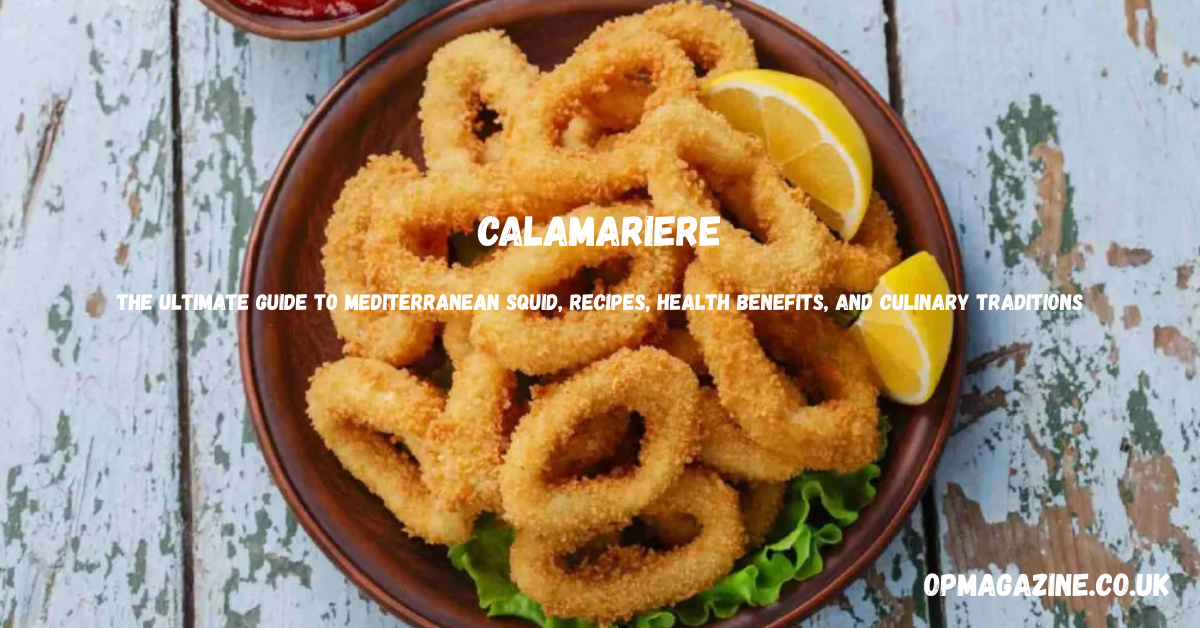
Calamariere is more than just a squid dish — it represents the culinary soul of the Mediterranean, blending centuries‑old traditions, regional innovations, and modern creativity. While often associated with the simple fried calamari rings familiar in many restaurants, Calamariere embodies the broader spectrum of squid preparations: from grilled and stuffed variations to fusion-style seafood creations enjoyed around the globe. The word calamari itself comes from Italian and Spanish roots — calamaro and calamares — ultimately derived from Latin words related to “ink pot,” nodding to the squid’s inky fluid and its distinctive appearance. In this article, we unpack everything you need to know about Calamariere: from its historical roots and regional styles to detailed recipes, nutrition insights, sustainability tips, cultural symbolism, and more. Whether you’re a seafood lover, home cook, or curious reader, this comprehensive guide has you covered.
Historical Roots of Calamariere
Origins in Ancient Mediterranean Cultures
Squid has been part of human diets for millennia, especially in regions bordering the Mediterranean Sea where fishing was central to daily life. Ancient Greeks, Romans, and maritime communities utilized squid as a staple protein, often cooking it over open flames, stewing it with herbs, or preserving it with local ingredients. Squid dishes served as both sustenance and celebration food, reflecting the resourceful use of sea bounty. Over time, these early preparations evolved into distinctive regional dishes that eventually influenced Mediterranean and European cuisines. Today, the essence of those traditions lives on in Calamariere.
Evolution Through Italian, Greek, and Spanish Traditions
Italy, Greece, and Spain — countries known for rich seafood cultures — shaped many of the classic ways we recognize Calamariere today. In Italy, calamari fritti (lightly battered and fried squid) became a beloved staple. Greek tavernas offered grilled or fried squid with lemon and herbs, pairing perfectly with ouzo or wine. In Spain, calamari appeared alongside tapas, seasoned lightly with garlic and olive oil. Across these regions, Calamariere evolved from a simple dish into a cultural emblem — one that carries the flavors, history, and identities of coastal life.
Global Variations of Calamariere
Calamariere has travelled far beyond the Mediterranean, integrating into diverse food traditions and transforming along the way.
Italian Calamariere: Calamari Fritti and Regional Styles
In Italy, calamari is often served as calamari fritti — lightly battered, fried to golden crispness, and paired with lemon wedges or marinara sauce. This style emphasizes delicate texture and tangy flavors that highlight the squid itself.
Spanish Calamariere: Tapas and Flavorful Bites
Spain brings squid to the table in tapas forms such as calamares a la romana — battered and fried rings often served with garlic alioli or mayonnaise. These small plates encourage communal eating and are popular in bars and seaside eateries across the country.
Greek Calamariere: Tzatziki and Citrus Twists
Greek preparations include grilled or fried calamari served with sauces like tzatziki, combining the natural sweetness of squid with refreshing tangy contrasts. This variation often pairs beautifully with local salads and wines.
Asian Adaptations: Ikayaki and Bold Spices
In Japan, ikayaki — grilled whole squid brushed with soy-based sauces — is a popular street food that highlights simplicity and umami. Asian adaptations often feature spicy stir-fries, chili pastes, and bold seasoning profiles that depart from traditional Mediterranean styles.
Latin America and Fusion Interpretations
Across Latin America, squid is integrated into ceviches, tacos, and inventive fusion dishes that marry local ingredients and techniques with the essence of Calamariere. In the United States and Canada, calamari rings are ubiquitous as appetizers and are often reimagined in fusion seafood tacos, pasta dishes, and creative bar bites.
How to Cook Calamariere at Home
Cooking squid requires precision. When done right, the texture is tender and succulent; if mishandled, it becomes rubbery. Here’s a breakdown of the best methods:
Step‑by‑Step Classic Fried Calamariere
Prepare the Squid: Clean fresh squid — removing innards and beak — and slice into rings.
Make the Batter: Use a light mix of flour, salt, pepper, and optional paprika.
Heat the Oil: Bring oil to about 350°F (175°C).
Fry Quickly: Fry the rings for 1–2 minutes until golden, avoiding overcooking.
Serve Hot: Pair with lemon wedges and marinara or aioli.
Grilled Calamariere Recipe
Grilling emphasizes the squid’s natural sweetness:
Marinate: Olive oil, lemon juice, garlic, oregano.
Skewer Squid: Use skewers for even cooking.
High Heat Grilling: Grill for 2–3 minutes per side.
Garnish: Finish with fresh herbs and citrus.
Stuffed Calamariere Recipe
Inspired by Mediterranean feasts, stuffed calamari balances textures:
Prepare Filling: Mix breadcrumbs, cooked rice, sautéed onions, herbs, and optional tentacle pieces.
Stuff Tenderly: Fill squid bodies without tearing.
Simmer in Sauce: Cook in light tomato sauce for 20–30 minutes.
Tips to Avoid Rubberiness
Squid becomes tender when cooked very quickly (under 2 minutes) or slowly over longer heat (45+ minutes). Avoid the middling range, which often results in chewiness.
Best Sauces and Sides for Calamariere
Mediterranean Favorites: Marinara Sauce, Lemon-Garlic Aioli, Herbed Olive Oil Dip.
Asian-Inspired Sauces: Soy-Ginger Glaze, Sweet Chili Sauce.
Recommended Sides and Beverages: Grilled vegetables, citrus salads, crusty bread, light fries. White wines like Sauvignon Blanc, Verdicchio, sparkling Prosecco, or non-alcoholic sparkling water with citrus or mint lemonade.
Nutritional Benefits of Calamariere
High in Lean Protein: A typical 100-gram serving of plain squid offers about 15–17 grams of protein.
Low in Fat and Calories: Raw squid contains approximately 90–130 calories per 100g with low total fat.
Omega-3 Fatty Acids for Heart Health: Squid provides omega-3 fats, including EPA and DHA.
Rich in B Vitamins and Minerals: Squid delivers vitamin B12, selenium, phosphorus, copper, and iodine.
Low Calorie, High Nutrient: Seafood like squid fits well into balanced diets — Mediterranean, keto, or paleo — especially when not deep-fried.
Modern Fusion and Innovations
Fine Dining Reinterpretations: Luxury versions include squid ink sauces, truffle oil accents, and elaborate plating.
Street Food and Casual Bites: Calamariere appears in loaded fries, sandwiches, calamari burgers, and tacos.
Plant-Based and Allergy-Friendly Options: Plant-based squid alternatives made from konjac, mushrooms, or hearts of palm mimic texture. Gluten-free batters make the dish accessible to more diets.
Cultural Significance and Symbolism
Tradition and Family Celebration: In Mediterranean cultures, squid dishes like Calamariere are staples at gatherings, festivals, and holidays — symbolizing community and heritage.
Festivals and Culinary Identity: Seafood festivals showcase Calamariere in every variation imaginable.
Digital and Pop Culture Identity: Calamariere is used playfully as a cultural reference — metaphorically describing someone skilled, mysterious, or creatively resilient in online spaces.
Sustainability and Ethical Sourcing
Choose Responsibly Caught Squid: Look for certifications or ask fishmongers about sourcing.
Support Local Fisheries: Helps reduce carbon footprint and boosts coastal economies.
Avoid Overfished Stocks: Ask restaurants about seafood origins and seasonal availability.
FAQs
What is calamariere?
Calamariere refers to squid prepared with regional and cultural techniques, often grilled, fried, stuffed, or stewed in Mediterranean culinary styles.
Is calamariere the same as calamari?
Not exactly — calamari usually refers to squid or squid rings, while calamariere refers to the broader, more diverse set of preparations.
How do you cook calamariere without making it rubbery?
Cook very quickly (under 2 minutes) or slowly over longer heat (45+ minutes) to avoid tough, chewy squid.
Is calamariere healthy?
Yes — when prepared without heavy batter, Calamariere is low in calories, high in lean protein, and rich in Omega-3s, B vitamins, and minerals.
What sauces go best with calamariere?
Mediterranean sauces — marinara, aioli, lemon-garlic — and Asian sauces like soy-ginger or sweet chili complement the dish beautifully.
Can calamariere be made gluten-free or vegan?
Yes — use gluten-free batters for fried versions or plant-based squid alternatives for vegan renditions.
Conclusion
Calamariere is a timeless culinary tradition that bridges ancient coastal cultures and modern global cuisine. Whether you savor it as crispy fried rings, smoky grilled skewers, hearty stuffed tubes, or innovative fusion plates, this versatile dish appeals to taste, tradition, and nutritional value alike. From health benefits to cultural symbolism and sustainability, Calamariere offers something for food lovers of every background — a true celebration of the sea’s bounty. As global chefs and home cooks continue experimenting with this ingredient, Calamariere’s journey from ancient docks to contemporary menus shows no sign of slowing.
Leave a Reply