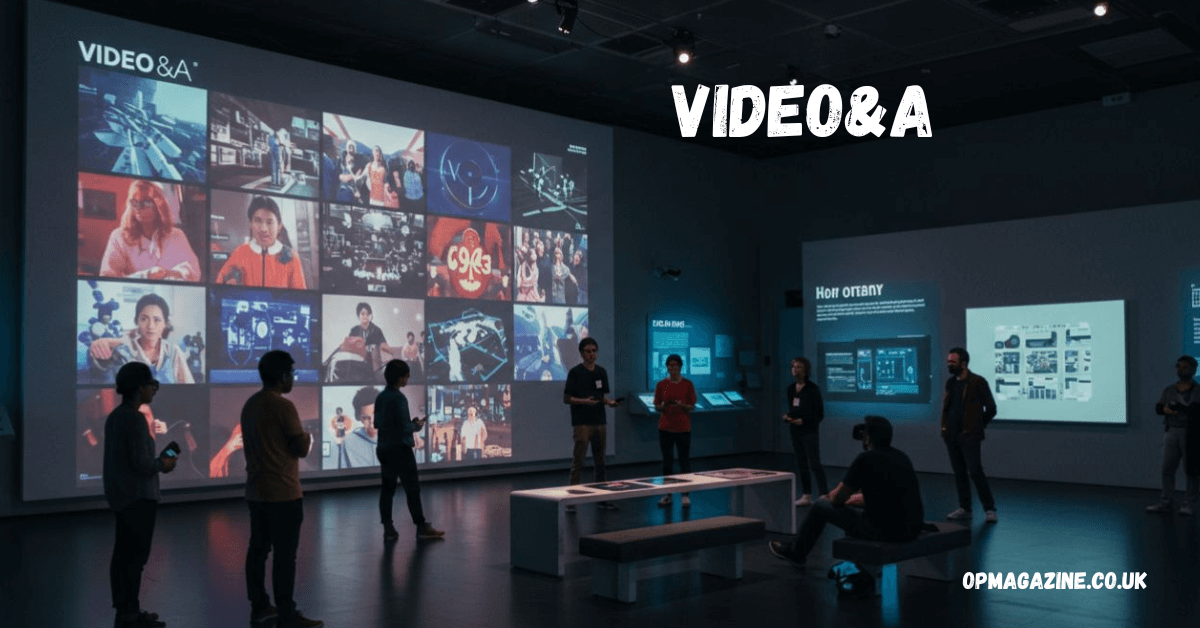
In an era where attention spans are shrinking and digital communication is evolving faster than ever, traditional text-based question-and-answer formats no longer cut it. Enter Video&A — a powerful fusion of video and interactive Q&A that transforms passive watching into active engagement. Unlike static text or traditional videos, Video&A enables audiences to ask questions, participate in discussions, take quizzes, and receive real-time responses — all within the video experience itself.
Whether you’re an educator, business leader, marketer, influencer, or content creator, Video&A is reshaping how we communicate, learn, and connect online. From higher engagement metrics to personalized learning paths, this interactive format is redefining audience interaction in the digital age.
What is Video&A?
Video&A, short for video-based questions and answers, is an interactive format that combines video content with embedded Q&A features, interactive quizzes, polls, and real-time discussion tools. Instead of passively watching video content, users can actively interact with it — asking questions, providing feedback, and engaging in dialogue with creators or presenters.
Video&A can be live or pre-recorded. In live sessions, audiences submit questions in real time, while recorded formats may allow questions to be addressed within the video timeline or through follow-up video responses.
This content experience increases attention, deepens learning, and builds authentic connections between creators and viewers. It encourages not just consumption, but participation — the hallmark of modern digital engagement.
The Origins and Evolution of Video&A
The roots of Video&A stretch back to early forms of media where questions and responses were shared publicly — such as talk shows, interviews, and educational seminars. However, the digital era catalyzed its evolution into what we see today.
YouTube Q&A Videos: Early vloggers popularized the concept of Q&A videos by responding to audience-submitted questions on camera.
Reddit AMAs (Ask Me Anything): While text-based initially, AMA formats inspired video adaptations where personalities answer audience questions in video form.
Corporate Webinars and Live Streams: Businesses began incorporating Q&A segments into live webinars and product demos, adding interactive layers to digital events.
Social Media Integrations: Platforms like Instagram, TikTok, and Facebook introduced live Q&A features allowing audiences to ask questions during broadcast sessions, bringing Video&A into mainstream social media usage.
These developments illustrate how Video&A has gradually transitioned from simple video content to a dynamic communication tool that enhances authenticity and real engagement.
Why Video&A Matters in Digital Culture
Visual Engagement
Humans process visuals far faster than text, and video holds user attention more effectively than static content. When combined with questions and interactions, this engagement increases significantly. Interactive video formats have been shown to generate up to 66% more engagement compared to traditional videos.
Authenticity and Trust
Seeing and hearing real people respond to questions builds trust and credibility in ways that text cannot replicate. Facial expressions, tone of voice, and immediate responses all contribute to authenticity — a major currency in digital communication.
Accessibility for Diverse Audiences
Video&A with features like subtitles, translations, and adaptive design ensures accessibility for global audiences — including those who prefer listening over reading.
Active Participation
Modern audiences no longer want to be passive consumers. Video&A transforms viewers into participants, encouraging questions, polls, and interaction within the content itself.
Understanding the Shift in Video Engagement
Traditional video content often places the audience in a passive role — viewers watch, absorb, and seldom interact. However, when audiences are given control through clickable elements, interactive passages, or questions, engagement increases dramatically. Interactive content can lead to 44% longer viewing times and higher completion rates than non-interactive formats.
In education and training, this shift matters even more. Active participation — through questions and immediate responses — supports deeper learning and greater retention.
Key Features of Video&A
1. Built-In Q&A: Real-Time and Pre-Submitted Questions
The core of Video&A is the ability for viewers to submit questions directly within the video interface. Creators can answer these live or during follow-ups, which enhances clarity and relevance.
2. Interactive Quizzes and Polls
Embedding quizzes and polls within videos encourages viewers to interact with content intellectually — not just visually. These elements reinforce learning and make Video&A highly effective in educational, corporate, and event settings.
3. Real-Time Discussions and Chat
Live discussion tools allow users to participate in dialogue during sessions. This fosters community and allows multiple participants to build on each other’s insights in real time.
4. Analytics and Feedback
Video&A platforms often come with analytics tools to track viewer activity, quiz performance, and engagement levels. These insights help creators refine their approach and deliver more targeted content.
5. Personalized Learning Experience
Video&A can create adaptive learning pathways where content adjusts based on user responses or questions, making the experience tailored to individual needs.
Applications of Video&A Across Industries
Education and Online Learning
Teachers and educational institutions are increasingly adopting Video&A to answer student questions outside of class, create interactive lessons, and personalize learning paths. Embedded quizzes and on-screen responses make lessons more engaging and help improve retention rates.
Corporate Training and Professional Development
Companies integrate Video&A into employee training programs, leadership sessions, product launches, and onboarding experiences. The interactive nature allows employees to clarify their doubts instantly and engage more deeply with the material.
Webinars and Virtual Events
Instead of passive audiences, webinars enhanced with Video&A turn attendees into participants — answering questions and engaging with speakers directly during sessions.
Entertainment and Influencers
Influencers on platforms like YouTube, TikTok, and Instagram use video Q&A sessions to connect with audiences more personally. These sessions promote community, boost loyalty, and often lead to higher engagement.
Customer Support and Engagement
Video&A can replace or supplement traditional FAQ pages with dynamic video answers. Customers submit questions and receive personalized responses — improving satisfaction and reducing support load.
Advantages of Video&A Over Traditional Q&A
Video&A offers several distinct advantages over static text or traditional Q&A formats:
- Enhanced Engagement: Interactive videos can increase audience participation and engagement.
- Higher Retention and Completion Rates: Interactive features extend viewer attention spans and boost completion rates.
- Improved Conversion: Interactive video content can increase conversion rates and generate higher engagement.
- Authenticity and Trust: Viewers trust answers when they see real people respond with clarity.
- Repurposable Content: Recorded sessions can be reused as tutorials, marketing content, or knowledge base resources.
Popular Platforms Supporting Video&A
Video&A experiences are now supported across a range of platforms:
- YouTube: Popular for both live and pre-recorded video Q&A sessions.
- Instagram & TikTok: Live features allow followers to submit questions in real time.
- Zoom, Teams, Google Meet: Used in corporate webinars and training.
- Hybrid Event Platforms: Integrate interactive video features into large virtual events.
These platforms continue expanding their interactive feature sets to support deeper engagement and broader accessibility.
How to Host an Effective Video&A Session
Running a successful Video&A requires strategic planning:
Promote in Advance
Notify your audience about the session details — when, where, and how to participate.
Collect Questions Ahead of Time
Encourage submission of questions in advance to ensure content flows smoothly and covers key topics.
Be Clear and Concise
Keep responses focused and structured to maintain attention.
Engage with Viewers Personally
Acknowledge participants by name and encourage follow-ups — this builds rapport.
Use Quality Production Tools
Clear audio and video quality enhance professionalism and viewer comfort.
Record and Repurpose
Save sessions for later use as educational content, FAQs, or marketing materials.
Technology Behind Video&A
Technology plays a central role in Video&A’s rise:
- AI-Powered Tools: AI can moderate questions, suggest responses, and enable adaptive learning and personalized feedback.
- Cloud-Based Delivery: Ensures scalability and accessibility across devices.
- Analytics Dashboards: Offer creators data about viewer engagement and performance.
These tech components help make Video&A both scalable and intelligent, capable of addressing diverse audience needs.
Challenges of Video&A and How to Overcome Them
Despite its benefits, Video&A comes with challenges:
Technical Issues
Internet disruptions or poor audio quality can hinder sessions. Solution: Test equipment and connection in advance.
Managing Large Audiences
High volumes of questions can be overwhelming. Solution: Use moderation tools and prioritize key topics.
Accessibility Concerns
Not all viewers may have access to high-speed internet or translation tools. Solution: Include subtitles and ensure adaptive interfaces.
Performance Pressure
Live sessions can be stressful for speakers. Solution: Prepare scripts and practice delivery to build confidence.
Future Trends in Video&A
Video&A is poised for rapid growth with emerging trends shaping its future:
- Micro-Video Q&A Clips: Short, snackable Q&A snippets optimized for mobile consumption.
- AI Personalization: Tailoring responses based on user behavior and preferences.
- Cross-Platform Interactivity: Unified experiences across apps for broader reach.
- AR/VR Integration: Driving immersive Q&A experiences in virtual environments.
- Knowledge Monetization: Premium or paid Q&A responses from experts and creators.
These innovations point to Video&A not just as a tool, but a central hub for digital communication, engagement, and learning.
FAQs
Q1: Can Video&A integrate with existing LMS systems?
Yes, many Video&A tools can embed within learning management systems, enhancing remote education with interactive participation.
Q2: Does Video&A support multilingual interaction?
Yes, platforms often include language support and subtitles to serve global audiences.
Q3: Is Video&A suitable for small businesses?
Absolutely — Video&A scales from small startups to large enterprises and can be tailored to varied needs.
Q4: How do I measure success in a Video&A session?
Metrics include engagement rates, watch time, quiz performance, user feedback, and follow-up interactions.
Conclusion
Video&A is more than a technology trend — it’s a fundamental transformation in how we communicate, engage, and learn online. By combining the emotional depth of video with the dynamic interaction of Q&A and participation tools, Video&A delivers experiences that static text or standard videos simply cannot match.
From education and corporate training to customer support and influencer engagement, Video&A is shaping the future of digital dialogue. As platforms evolve and new technologies emerge, the potential for Video&A will continue to grow — making it an indispensable tool for creators, educators, businesses, and learners around the world.
Whether you’re seeking to boost engagement, increase retention, or build authentic connections, embracing Video&A could be your gateway to the next generation of interactive media.