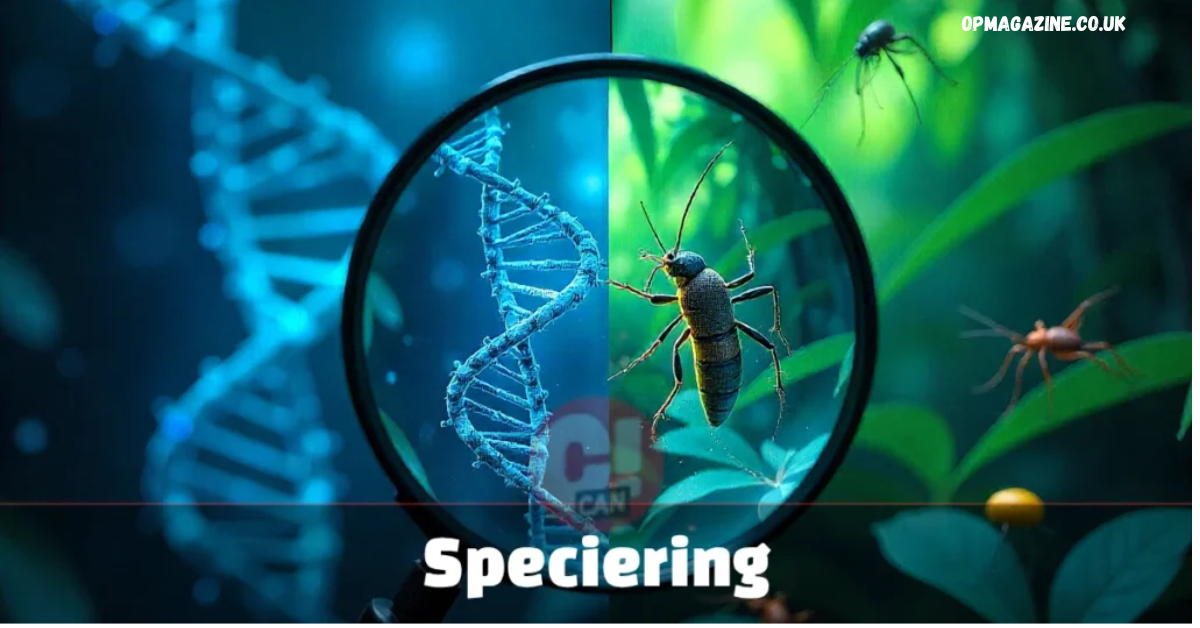
Speciering is a concept that bridges two seemingly distinct worlds: biology and digital strategy. At its core, it involves identifying, analyzing, and leveraging specificity—whether in species classification or audience targeting. By understanding the unique traits of organisms or the preferences of a target audience, speciering allows for precision in conservation efforts and digital content creation.
In biology, speciering is about uncovering hidden diversity within ecosystems, discovering new species, and ensuring effective biodiversity preservation. In the digital world, speciering refers to the strategic narrowing of focus, targeting specific niches, and optimizing content for maximum engagement and SEO impact.
This article explores the dual dimensions of speciering, offering insights into its scientific significance, conservation impact, and digital strategy applications.
The Science of Speciering
Importance of Taxonomy in Understanding Biodiversity
Taxonomy, the science of classifying organisms, is the backbone of biodiversity research. Accurate species classification allows scientists to:
- Understand evolutionary relationships
- Identify ecological niches
- Develop effective conservation strategies
Misidentification can lead to misguided conservation efforts. For instance, two visually similar frog species may have different ecological needs, and protecting only one could jeopardize the survival of the other.
According to the International Union for Conservation of Nature (IUCN), over 8.7 million species exist on Earth, yet only approximately 1.2 million have been formally described, highlighting the critical need for speciering research.
How New Species Are Discovered
Speciering involves rigorous field research, morphological assessment, and genetic analysis. Some notable techniques include:
- Field Surveys: Observing species in natural habitats.
- Morphological Analysis: Examining physical features such as coloration, size, and structure.
- Genetic Sequencing: Identifying differences in DNA to uncover cryptic species.
Case Study: In 2019, researchers in Madagascar discovered 12 new frog species using DNA analysis, emphasizing the richness of underexplored ecosystems.
Genetic Analysis and Evolutionary Insights
Genetic tools have revolutionized speciering by allowing scientists to:
- Detect cryptic species that appear identical but are genetically distinct
- Trace evolutionary histories
- Understand adaptation mechanisms for survival
For example, sequencing technologies revealed hidden coral species in the Great Barrier Reef, reshaping conservation priorities. These advances underscore how speciering provides actionable insights for ecosystem management.
The Role of Speciering in Conservation
Protecting Endangered Species and Ecosystems
Speciering helps identify species that are vulnerable or endangered, enabling targeted conservation measures. Accurate classification ensures:
- Proper allocation of resources
- Development of habitat-specific protection plans
- Mitigation of human-induced threats
Fact: The World Wildlife Fund (WWF) estimates that 1 million species face extinction, making speciering a critical tool for biodiversity preservation.
Case Studies: Frogs, Corals, and Birds
- Madagascar Frogs: Discovery of 12 new species led to the creation of protected habitats.
- Great Barrier Reef Corals: Identification of new coral species helped refine reef restoration strategies.
- Amazonian Birds: Vocalization studies differentiated species, guiding sustainable forest management.
These cases demonstrate how speciering strengthens conservation planning and ecosystem resilience.
Challenges and Controversies in Conservation
Despite its importance, speciering faces hurdles:
- Classification disputes: Different scientists may define species differently.
- Resource allocation: Newly discovered species may divert attention from critically endangered ones.
- Public misunderstanding: Many underestimate the significance of taxonomy.
Funding constraints also limit extensive speciering research, highlighting the need for international collaboration and policy support.
Speciering Strategies for Digital Growth
Understanding Your Target Audience
In the digital space, speciering translates into audience segmentation. Identifying your audience involves:
- Demographics: Age, location, profession
- Interests: Hobbies, passions, content preferences
- Pain points: Challenges your audience wants solutions for
Fact: Companies that personalize content see a 20% increase in engagement, underscoring the power of knowing your audience.
Tailoring Content to Niche Interests
Creating content that resonates requires understanding audience needs:
- Develop audience personas for better visualization
- Use polls and surveys to capture preferences
- Experiment with different content formats: blogs, videos, infographics
Niche content often performs better because it addresses specific queries, improving relevance and engagement.
Keywords, SEO, and Search Intent Optimization
Keywords are central to digital speciering. Effective strategy includes:
- Long-tail keywords: Target specific search queries
- On-page SEO: Optimized meta titles, descriptions, and headings
- Content relevance: Matching keywords to user intent
Example: A blog targeting “speciering strategies for niche conservation blogs” will rank better than a generic “speciering” article because it satisfies a precise search intent.
Visuals, Design, and Engagement Techniques
Visual appeal enhances readability and retention:
- Use high-quality images, charts, and infographics
- Maintain consistent design and color schemes
- Ensure mobile-friendly layouts
Interactive elements like quizzes or polls increase engagement and time on page.
Engaging with Your Audience through Social Media and Comments
Engagement extends beyond the blog:
- Respond to comments and messages
- Share content on social media channels
- Feature user-generated content
Communities built around speciering content foster loyal readership and advocacy.
Analyzing and Adjusting Your Strategy for Maximum Impact
Performance analysis ensures continuous improvement:
- Track page views, bounce rates, and session duration
- Use A/B testing for headlines, visuals, and CTAs
- Revisit audience personas to account for evolving preferences
Data-driven adjustments maximize ROI and audience satisfaction.
Bridging Science and Strategy: Lessons from Speciering
Speciering offers parallels between ecology and digital marketing:
- Species classification ↔ Audience segmentation
- Habitat preservation ↔ Niche content development
- Evolutionary adaptation ↔ Algorithm optimization
By studying how organisms thrive in specific ecosystems, digital marketers can apply similar principles to content survival and growth in competitive niches.
Future Implications of Speciering
Advances in Genetic Sequencing and AI for Species Discovery
- AI-assisted taxonomy accelerates species identification
- Machine learning predicts evolutionary relationships
- Advanced DNA sequencing reveals cryptic biodiversity
Emerging Trends in Content Speciering and SEO
- AI tools analyze user behavior and search intent
- Hyper-personalized content is becoming standard
- Niche-focused strategies dominate digital growth
Holistic Approaches to Biodiversity and Audience Engagement
Combining ecological insights and digital analytics allows for:
- Holistic conservation programs
- Effective content strategies
- Greater awareness and education
Conclusion
Speciering is more than a concept—it is a powerful tool for both scientific discovery and digital growth. In biology, it uncovers hidden biodiversity, informs conservation strategies, and ensures species preservation. In the digital realm, it helps target specific niches, engage audiences, and optimize content for search engines.
By understanding and applying the principles of speciering, we can:
- Preserve endangered species and ecosystems
- Enhance digital content performance
- Foster sustainable, informed communities
Whether in science or digital strategy, embracing speciering allows us to maximize impact, efficiency, and relevance. Its dual application highlights the interconnectedness of knowledge, precision, and strategy—a concept that will shape the future of biodiversity conservation and digital marketing alike
FAQs
What is speciering in biology?
Speciering in biology is the process of identifying, classifying, and describing new species. It involves analyzing genetic differences, ecological niches, behavioral traits, and physical characteristics to determine how organisms fit into the broader taxonomy. This helps scientists understand biodiversity and implement effective conservation strategies.
How does speciering help in conservation?
Speciering allows conservationists to accurately identify endangered species, prioritize habitats for protection, and allocate resources efficiently. By recognizing previously undiscovered species, it ensures that critical ecosystems are preserved and biodiversity loss is minimized.
What is speciering in digital strategy or content marketing?
In digital marketing, speciering refers to targeting a specific niche audience by tailoring content to their interests, pain points, and preferences. This improves audience engagement, retention, and SEO performance by addressing highly specific search queries and user needs.
How are new species discovered through speciering?
New species are discovered using a combination of:
- Field surveys to observe organisms in their natural habitats
- Morphological analysis to study physical traits
- Genetic sequencing to detect cryptic or genetically distinct species
- Behavioral observation, such as vocalizations in birds or mating patterns in amphibians
What are the challenges of speciering in biology?
Some challenges include:
- Debates over classification criteria among scientists
- Limited funding for research projects
- Public misunderstanding of the importance of taxonomy
- Resource allocation issues, where newly discovered species may compete with already endangered ones
How does speciering improve SEO and content performance?
By focusing on niche topics and long-tail keywords, speciering in content strategy ensures:
- Higher relevance to target audiences
- Better search engine rankings
- Increased engagement and conversion rates
- Improved retention and loyalty of readers
What tools are used in modern speciering research?
In biology:
- DNA sequencing technologies
- Field research equipment
- Genetic analysis software
In digital marketing:
- Google Keyword Planner, SEMrush, Ahrefs
- Social media analytics
- AI-powered content optimization tools
Can speciering strategies in content marketing be applied to social media?
Yes. Social media speciering involves:
- Sharing niche-specific content
- Engaging with followers in a targeted manner
- Leveraging polls, quizzes, and interactive posts
- Promoting highly relevant content to specific audience segments
What is the future of speciering?
The future includes:
- AI-assisted species discovery in biology
- Advanced genetic sequencing revealing hidden biodiversity
- Hyper-personalized content and SEO strategies in digital marketing
- Holistic approaches combining ecosystem conservation with audience engagement insights
Why is speciering important across disciplines?
Speciering promotes precision, understanding, and impact. In biology, it preserves biodiversity; in digital strategy, it improves engagement and search visibility. Across both fields, it encourages data-driven decisions, innovation, and sustainable practices.
Leave a Reply