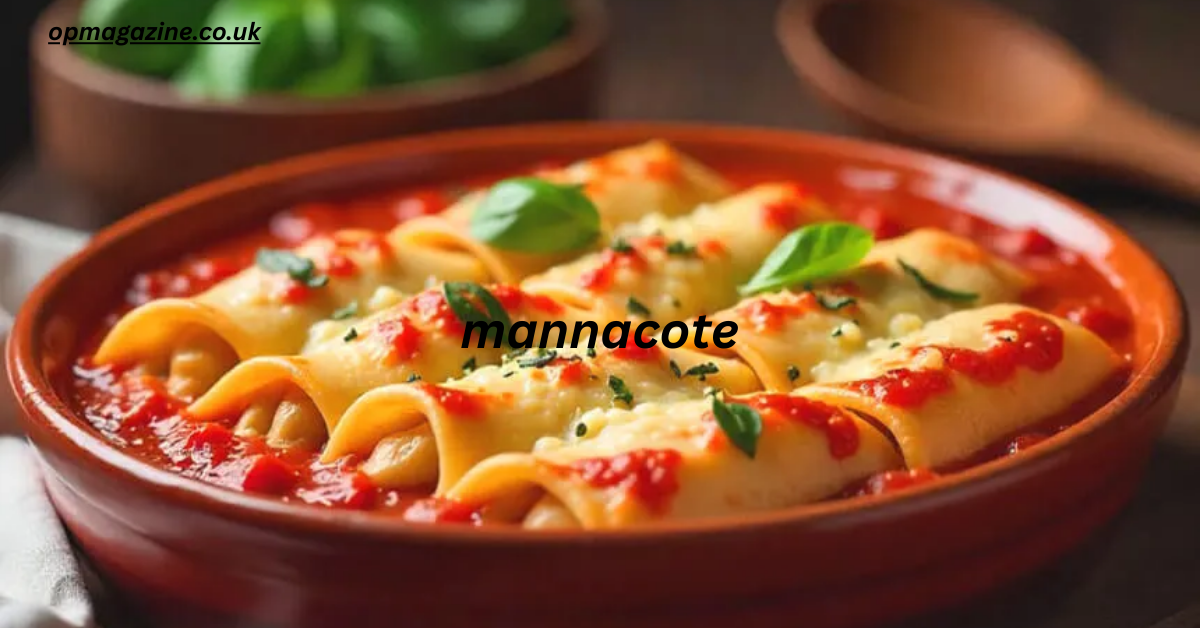
Few food terms spark curiosity quite like mannacote. Is it a pasta dish? A cultural quirk? A culinary legend passed down through generations? The answer is all of the above — and more. While mannacote has roots deeply tied to the Italian‑American pronouncing of manicotti, it has evolved into a concept with surprising culinary, cultural, and even modern lifestyle relevance.
In this comprehensive guide, we’ll explore every facet of mannacote: its origins, its place in American and Italian cuisine, authentic recipes, health perspectives, and the cultural meaning behind the name. Whether you’re a home cook, a food enthusiast, or someone interested in food history, this guide will give you a complete understanding of mannacote — from kitchen to culture.
What Is Mannacote? – Definition and Origins
“Mannacote” is widely understood as a phonetic or colloquial variation of the Italian‑American pasta dish manicotti — large, tube‑shaped pasta filled with cheese or meat and baked with sauce. Although the word “mannacote” doesn’t usually appear in traditional dictionaries, it’s become a beloved expression in many households across the United States.
The term likely emerged from Italian immigrant communities where accents, dialects, and generational reinterpretations transformed manicotti into mannacote. It’s similar to how other Italian‑American food names evolve — think “fazool” for fagioli. But more than just a name, mannacote has become a cultural artifact, a word that evokes family dinner tables, holiday feasts, and traditions that tie generations together.
Mannacote vs. Manicotti vs. Cannelloni
To truly appreciate mannacote, it helps to understand how it relates — and differs — from similar pasta dishes:
- Manicotti: Traditionally refers to pre‑formed, ridged large pasta tubes that are boiled, stuffed, and baked. This is the most common version in Italian‑American kitchens and is what most people think of when they hear mannacote.
- Cannelloni: An Italian dish involving fresh pasta sheets wrapped around filling rather than pre‑formed tubes. In Italy, cannelloni may be served with lighter sauces or béchamel, and it dates back to early 20th‑century Italian cuisine.
Although the dishes share similar concepts — pasta plus filling plus sauce — the differences lie in preparation, shape, and cultural context. Mannacote is essentially the manicotti here in America — a comfort food shaped by the Italian‑American experience.
History and Cultural Significance
Mannacote is not just a dish; it’s a story of migration, adaptation, and identity. Italian immigrants arriving in the United States brought with them culinary traditions that had to adapt to new ingredients, different kitchen tools, and English‑speaking neighbors. Over time, those adaptations altered not just how dishes were prepared but how they were talked about. Mannacote, in many families, became a marker of growing up — the dish Grandma always made for holidays or Sunday dinners.
Italian cuisine — including pasta — holds an elevated place in American food culture. Italian food is served in over 100,000 restaurants across the U.S., and pasta and pizza remain perennial favorites among consumers. This cultural embrace helped dishes like manicotti spread beyond strict Italian communities to become beloved household classics.
Traditional Mannacote Recipe
At its core, mannacote (manicotti) is a rich and satisfying baked pasta dish. It combines creamy fillings, flavorful sauces, and cheese‑laden goodness that appeals to all ages.
Key Ingredients
- Large pasta tubes (or fresh sheets rolled into tubes)
- Ricotta cheese — creamy and mild
- Mozzarella — for melt and stretch
- Parmesan — sharp and nutty
- Marinara sauce — tangy tomato base
- Fresh herbs like basil or parsley
- Optional: ground beef, sausage, or sautéed spinach
This mixture of simple ingredients delivers deep flavor — a signature of Italian‑American comfort cooking. Manicotti
Step‑by‑Step Recipe Instructions
Here’s how to make classic mannacote at home:
- Preheat Oven: 375°F (190°C).
- Boil Pasta: Cook pasta tubes until just shy of al dente. Drain and cool.
- Prepare Filling: In a large bowl, blend ricotta, mozzarella, Parmesan, eggs (to bind), parsley, salt, and pepper. Add cooked ground meat or sautéed spinach if desired.
- Stuff the Tubes: Use a piping bag or spoon to fill each tube carefully.
- Layer Sauce: Spread marinara on the bottom of a baking dish.
- Arrange Pasta: Place stuffed tubes snugly in the dish.
- Top with Sauce and Cheese: Add extra marinara and a final layer of shredded mozzarella.
- Bake: Cover with foil and bake ~25‑30 minutes. Remove foil in the last 10 minutes for browning.
- Rest: Let sit 10 minutes before serving so it sets and slices neatly.
Serve hot with crusty bread and a fresh salad for a classic Italian‑American meal experience. Manicotti
Nutritional Facts and Health Considerations
A plate of mannacote is delicious — but what about nutrition? Stuffed baked pasta dishes like manicotti typically range:
- Calories: ~380–420 per serving
- Protein: ~18–22g
- Carbs: ~40–45g
- Fat: ~14–18g (higher if rich cheeses are used) mannacote.co.uk
Traditional versions tend to be rich due to cheese and pasta — but there are ways to make it healthier:
- Use whole‑wheat pasta for added fiber.
- Incorporate vegetables like spinach, mushrooms, or zucchini.
- Choose part‑skim or lower‑fat cheeses.
Balancing indulgence with nutrition makes this comfort food fit into modern mealtime habits without guilt.
Common Cooking Mistakes and How to Fix Them
Even seasoned home cooks can encounter common issues with mannacote:
- Overcooked Pasta: Too soft and tears easily. Fix by boiling to just under al dente — it will finish cooking in the oven.
- Soggy Filling: Excess moisture in ricotta leads to wet consistency. Drain cheese well before mixing.
- Dry Texture: Caused by insufficient sauce or overbaking. Use plenty of marinara and keep covered until final browning.
- Split Tubes: Overstuffing puts pressure on the pasta. Leave some room for the filling to expand.
Learning these tips ensures a perfectly baked, flavorful dish every time.
Healthier Variations and Modern Twists
Mannacote is adaptable. Modern diets and preferences have inspired creative versions:
- Gluten‑free pasta tubes
- Plant‑based cheese for dairy‑free diets
- Vegetable‑packed fillings (spinach, mushrooms, roasted peppers)
- Lean proteins such as turkey or chicken
- Portion‑controlled mini tubes
These adaptations maintain the essence of the dish while addressing contemporary dietary needs.
Serving and Storage Tips
- Best Pairings: Fresh green salad, sautéed greens, or garlic bread.
- Storage: Refrigerate leftovers in airtight containers for up to 4 days. Freeze portions for up to 3 months.
- Reheating: Warm in the oven with foil to retain moisture. Microwave only for quick individual servings.
This flexibility makes mannacote ideal for busy families and meal prepping.
Mannacote in Italian‑American Culture
Mannacote transcends its ingredients — it’s wrapped in cultural identity. In Italian‑American households, this baked pasta dish often appears at holidays, family gatherings, and Sunday dinners. It connects generations through memory and shared meals. Dishes like mannacote become traditions — more than recipes, they’re stories passed down at the table.
Italian cuisine overall has a powerful presence in the U.S. — served in tens of thousands of restaurants nationwide — making traditional dishes like this familiar to many Americans.
Mannacote in Modern Contexts (Optional Advanced Sections)
While mannacote is primarily known as comfort food, its name and concept can inspire:
- Culinary Products: Some home chefs explore additives like stabilizers to make baked pasta easier to assemble and bake.
- Wellness & Supplements: Inspired by the word’s memorable sound, some brands might use the name for health products (e.g., collagen or adaptogen blends).
- Gardening Applications: In fictional or branding contexts, “mannacote” could describe a slow‑release organic fertilizer.
These modern interpretations show how language and food culture can inspire beyond the kitchen.
The Emotional Power of Food Mispronunciations
Names like mannacote illustrate how language evolves naturally. Mispronunciations — such as “fazool” for fagioli — become markers of identity, belonging, and tradition. They echo family dinners, childhood memories, and cultural blending.
This emotional resonance helps elevate a simple pasta dish into something rich with meaning.
Cultural and Semantic Power of Mannacote
From food to branding potential, mannacote reveals the value of unique, memorable words. Its versatility — tied to food, culture, and modern usage — makes it an excellent anchor for content, products, and community stories.
Food language isn’t static — it evolves with people, climates, and kitchens. Mannacote is a great example.
Final Thoughts
Mannacote means more than pasta. It is comfort, culture, heritage, and creativity. From its roots in Italian‑American homes to its presence on modern dinner tables, the dish holds a special place in cuisine. Whether you call it mannacote, manicotti, or “Grandma’s favorite,” this baked pasta favorite unites taste with tradition.
FAQs
1. What is mannacote?
Mannacote is another name for the Italian‑American pasta dish commonly known as manicotti — a cheese‑filled baked tube pasta with sauce.
2. Is mannacote the same as manicotti?
Yes, in most cases mannacote refers to manicotti, the same delicious baked pasta dish.
3. What makes mannacote special?
Its cultural significance and comforting recipe make it a staple at family meals and special occasions.
4. Can I adapt mannacote for dietary needs?
Yes! You can use gluten‑free pasta, plant‑based cheeses, and lean or vegetable fillings to suit your preferences.
5. How do I avoid soggy or dry mannacote?
Drain some cheese moisture, use enough sauce, and bake covered until final browning to maintain texture.
Leave a Reply