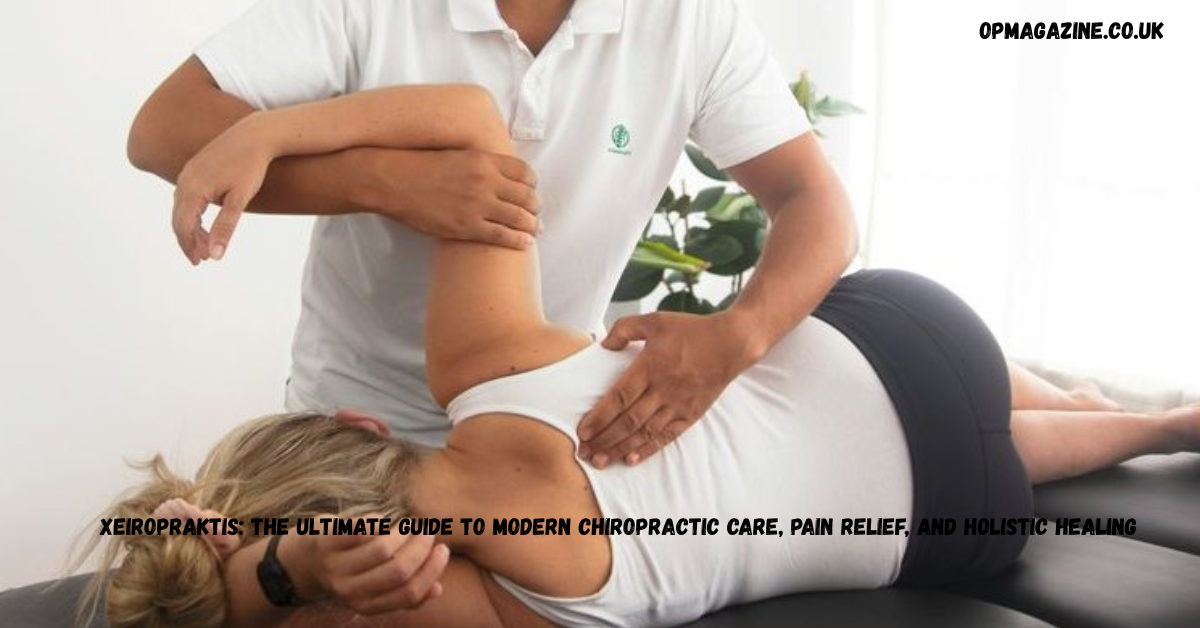
Chronic pain, poor posture, and mobility issues are some of the most common health complaints worldwide. In search of safe, non-invasive, and effective solutions, millions have turned to Xeiropraktis—a hands-on healing approach rooted in chiropractic principles and modern clinical practice.
Derived from Greek (“cheir” meaning hand, and “praktikos” meaning done by), xeiropraktis represents a form of manual healthcare that focuses on optimizing the musculoskeletal system and nervous system to support overall wellbeing. This article provides a complete, evidence-based, and practical guide to xeiropraktis—what it is, how it works, who it helps, and why it matters.
Introduction
Xeiropraktis is more than a trendy health term—it’s a recognized clinical approach to managing pain and improving physical function without drugs or surgery. At its core, xeiropraktis aims to restore balance, movement, and nervous system communication through carefully applied manual techniques.
Unlike traditional medicine that often focuses solely on symptoms, xeiropraktis looks deeper at underlying structural and functional imbalances that may contribute to chronic discomfort and reduced quality of life.
What Does a Xeiropraktis Do? Understanding Their Role
A trained xeiropraktis is a licensed professional who specializes in diagnosing and treating mechanical disorders of the spine, joints, and soft tissues. They use evidence-informed manual interventions to reduce pain and stiffness, improve joint mobility, enhance posture and movement patterns, and support the body’s natural healing mechanisms.
Assessment typically includes a detailed medical history, physical examination, and, when necessary, diagnostic imaging. Based on these findings, the practitioner develops a personalized treatment plan that addresses both symptoms and root causes.
In contrast to physiotherapists, who often emphasize rehabilitation through exercise and modalities like ultrasound or electrical stimulation, xeiropraktis places a strong emphasis on manual adjustments and hands-on techniques that directly influence joint function and nerve transmission.
The Greek Roots and Global Evolution of Xeiropraktis
The concept of manual, hands-on healing dates back to ancient civilizations, including Greece, where healers recognized the interplay between body structure and health. However, the modern practice we know today evolved in the late 19th century.
In 1895, Daniel David Palmer performed what is considered the first chiropractic adjustment, sparking the development of techniques focused on spinal manipulation and joint realignment. From its origins in the United States, chiropractic care spread globally and is now practiced in over 90 countries with more than 100,000 professionals worldwide.
Over the decades, the field has integrated scientific research, clinical evidence, and interdisciplinary collaboration, helping it gain acceptance in many mainstream healthcare systems.
Education, Licensing, and Professional Standards
Becoming a licensed xeiropraktis requires rigorous education:
- Undergraduate foundational studies in anatomy, physiology, biology, and related sciences
- Doctor of Chiropractic program, covering neurology, biomechanics, radiology, and diagnosis
- Clinical internships emphasizing hands-on treatment skills and patient care experience
- Licensing exams and certifications to ensure practitioners meet strict professional and safety standards
Different countries have accrediting bodies regulating chiropractic education, ensuring practitioners use evidence-informed practices and follow ethical guidelines.
Core Techniques Used in Xeiropraktis
The effectiveness of xeiropraktis comes from its varied toolbox of manual interventions and supportive methods:
- Spinal Manipulation and Adjustments: Precise, controlled forces applied to specific joints to improve motion and reduce pain. The audible “click” often heard during an adjustment comes from gas bubbles released from the joint fluid.
- High-Velocity, Low-Amplitude (HVLA) Thrusts: Quick, targeted motion to restore mobility.
- Flexion-Distraction Technique: Gentle method that relieves pressure on spinal discs and nerves, often helpful for disc-related pain.
- Activator, Gonstead, and Diversified Techniques: Different manual protocols tailored to patient needs and tissue response.
- Soft Tissue Work: Myofascial release and trigger point therapy to relax tight muscles and improve circulation.
- Lifestyle and Ergonomic Guidance: Exercises, posture coaching, and lifestyle advice to support lasting results.
Conditions Commonly Treated by Xeiropraktis
Xeiropraktis is most frequently sought for musculoskeletal pain and functional limitations, including:
- Back Pain: Low back pain affects millions globally and responds well to spinal manipulation, improving pain and function.
- Neck Pain and Headache: Cervical adjustments and soft tissue work reduce muscle tightness and nerve irritation.
- Sciatica and Nerve-Related Pain: Decompression and pelvic corrections can reduce pressure on nerve roots.
- Joint Pain and Sports Injuries: Shoulder, knee, and hip complaints respond to combined joint mobilization and muscle therapy.
- Postural Imbalances: Conditions like “tech-neck” from prolonged screen use improve with corrective protocols.
How Xeiropraktis Supports Natural Healing
Xeiropraktis enhances the body’s innate healing potential through:
- Balancing the Nervous System: Restoring joint motion and reducing mechanical stress improves nerve communication.
- Pain Modulation: Adjustments stimulate mechanoreceptors, influencing the brain’s pain processing systems.
- Stress and Inflammation: Conservative manual care may reduce systemic stress responses.
- Circulation and Mobility: Improved joint motion and soft tissue health facilitate tissue repair and functional movement.
Integrating Xeiropraktis into Your Wellness Lifestyle
Xeiropraktis works best with proactive lifestyle habits:
- Maintenance and Preventive Care: Periodic adjustments catch early dysfunction before it becomes painful.
- Exercise and Stretching: Strength and flexibility exercises reinforce structural balance and reduce recurrence.
- Hydration and Nutrition: Supports intervertebral disc health and tissue repair.
- Ergonomics and Daily Habits: Proper workstation setup and posture during phone use reduce strain.
Specialized Applications: Athletes, Office Workers, and Modern Life
- Athletic Performance: Optimizes alignment, enhancing power, flexibility, and injury prevention.
- Tech-Neck and Sedentary Lifestyles: Targets forward head posture and tight neck muscles.
- Posture Correction for All Ages: Supports better movement patterns, reduced discomfort, and improved daily performance.
Xeiropraktis vs Traditional Medical Approaches
Chiropractic care is often compared to conventional medical treatment for chronic pain:
- Non-Invasive Alternative: Focuses on physical mechanics without drugs or surgery.
- Evidence Comparisons: Spinal manipulation can be as effective as standard care for back pain.
- Cost and Outcomes: May lead to shorter disability time and lower overall healthcare costs.
- Complementary or Integrated Use: Works best as part of an integrated health plan alongside physical therapy and medical oversight.
Evidence-Based Support and Patient Experiences
Research and patient feedback suggest:
- Moderate improvements in pain and function for acute and chronic back pain
- Comparable outcomes to physical therapy or usual medical care in many studies
- High patient satisfaction rates, especially for lower back and neck pain
Ongoing studies continue to refine understanding of long-term effects and mechanisms.
Safety Considerations and Contraindications
Chiropractic care is generally considered safe when performed by a licensed professional. Minor temporary soreness is common. Serious adverse events are extremely rare. Practitioners screen carefully for conditions like severe osteoporosis, vascular issues, or red-flag symptoms that may require alternative approaches.
Xeiropraktis Around the World: Adoption and Recognition
Xeiropraktis continues to expand globally:
- Practiced legally in the majority of countries
- Chiropractic education is available in dozens of institutions worldwide
- Integration into modern healthcare systems and insurance coverage varies by region
FAQs
What does Xeiropraktis mean?
Xeiropraktis comes from Greek, meaning “done by hand.” It reflects the manual, hands-on approach of chiropractic care focused on the spine, joints, and musculoskeletal system.
Is Xeiropraktis safe?
Yes, when performed by a licensed and trained practitioner, xeiropraktis is considered very safe. Minor soreness or fatigue may occur after a session, but serious complications are extremely rare. Special techniques are used for children, seniors, or patients with certain medical conditions.
Who can benefit from Xeiropraktis?
People of all ages can benefit, from children with postural issues to athletes recovering from injuries, office workers dealing with “tech-neck,” and seniors seeking better mobility. Treatments are adapted based on age, health status, and individual needs.
How many sessions will I need?
The number of sessions depends on your condition, treatment goals, and response. Acute pain may improve in a few visits, while chronic or complex conditions might require ongoing care or maintenance adjustments.
What conditions can Xeiropraktis treat?
Xeiropraktis addresses a wide range of musculoskeletal issues, including:
- Lower back pain
- Neck pain and stiffness
- Headaches and migraines
- Sciatica and nerve-related pain
- Shoulder, hip, and knee joint pain
- Postural imbalances and “tech-neck”
- Sports injuries and mobility limitations
How is Xeiropraktis different from physiotherapy?
Xeiropraktis primarily focuses on spinal and joint adjustments to restore alignment and nerve function. Physiotherapy emphasizes exercises, mobility training, and passive modalities. Both can be complementary, depending on the patient’s needs.
Does Xeiropraktis involve medication or surgery?
No. Xeiropraktis is a non-invasive, drug-free approach that relies on manual adjustments, soft tissue therapy, and corrective exercises. Surgery is generally only considered if there are severe structural abnormalities.
Will I hear a popping sound during treatment?
You may hear a popping or cracking sound during an adjustment. This is simply gas being released from the joint fluid and is not harmful or painful. The therapeutic benefits come from improved joint motion and nervous system regulation.
How quickly will I feel results?
Some patients notice immediate relief or improved mobility after the first session. However, full benefits often require several treatments combined with lifestyle adjustments, exercises, and ergonomic changes.
Can Xeiropraktis help prevent future injuries?
Yes. By improving posture, alignment, and body mechanics, xeiropraktis can reduce the risk of repetitive strain injuries, enhance athletic performance, and promote long-term musculoskeletal health.
Is Xeiropraktis covered by insurance?
Coverage varies by country, insurance provider, and plan. Many health insurance plans recognize chiropractic care, but it’s best to check with your provider for specific coverage details.
Do I need a referral to see a Xeiropraktis?
In most regions, you can book an appointment directly with a licensed xeiropraktis without a referral. However, for certain conditions or insurance purposes, your primary care doctor may need to provide a recommendation.
Can Xeiropraktis improve overall wellbeing?
Yes. Beyond pain relief, xeiropraktis can enhance mobility, posture, and balance, reduce stress, and support better nervous system function, contributing to overall health and vitality.
Conclusion
Xeiropraktis represents a holistic, evidence-informed, and patient-centered approach to pain relief and functional wellness. Its focus on mechanical balance, nervous system support, and non-invasive care offers many a valuable alternative or complement to traditional medical treatments.
Whether seeking relief from chronic back pain, better posture in the digital age, or improved performance as an athlete, xeiropraktis provides tools and strategies rooted in both tradition and science—helping you move better, feel better, and live better.
Leave a Reply