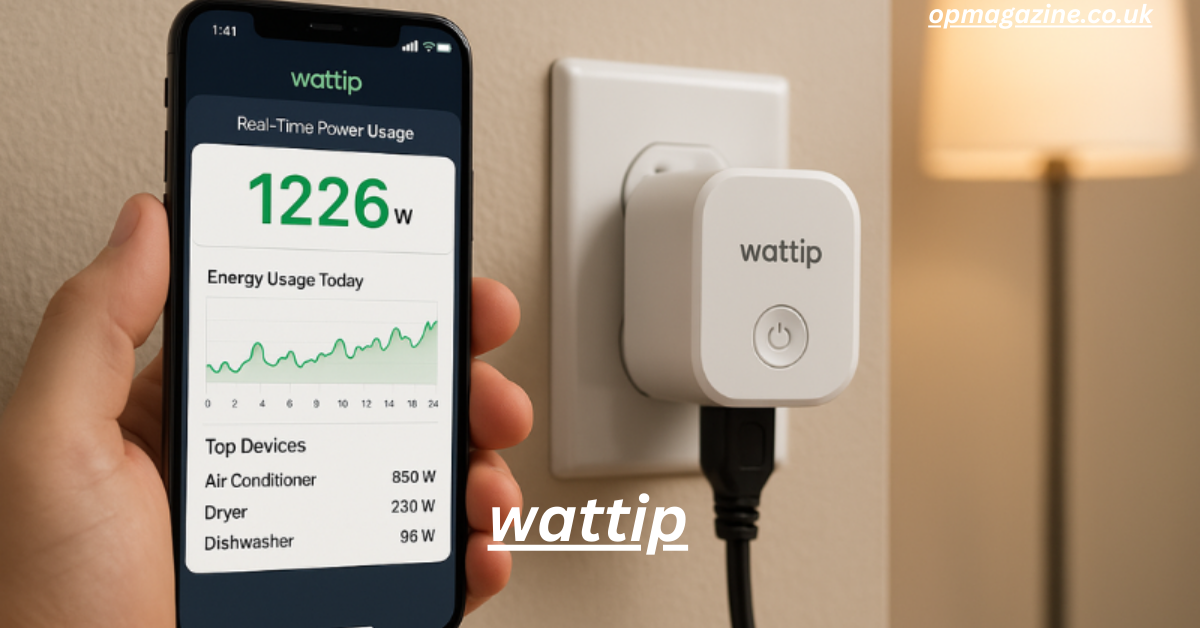
In an age of rising electricity costs and growing awareness about energy waste, homeowners and small business operators everywhere are searching for simple, effective ways to track — and reduce — their electricity consumption. Enter wattip: a smart energy tool that lets you see exactly how much electricity each appliance or circuit in your home or office draws — in real time. Rather than relying on vague monthly bills or a bulky, whole‑home utility meter, wattip shows clear, intuitive numbers: which devices use the most energy, when usage spikes, and how costs accumulate.
With energy prices climbing and people running more devices than ever before (from air coolers and heaters to multiple chargers, computers, and kitchen appliances), tools like wattip offer a powerful way to gain control — letting you make better choices, cut waste, and lower bills.
This article is your ultimate guide to wattip in 2025. We’ll walk you through what wattip is, why it matters, how it works under the hood, the hardware and software features it offers, installation steps, how to get the most out of it, and how it stacks up against other energy‑monitoring solutions. We’ll also highlight real-world benefits, backed by research and case studies where possible.
Whether you’re a homeowner, renter, or small business owner — by the end of this guide, you’ll understand whether wattip is right for you, and how to use it to start saving money, energy, and stress.
What Is Wattip and Why It’s a Game-Changer
Wattip Explained in Simple Terms
At its core, wattip is a smart energy monitoring system designed to give you detailed insight into your electricity consumption — not just at the whole‑home level, but down to individual devices or circuits. Unlike a standard utility meter, which only reports total usage over a month, wattip provides real‑time tracking: you can see when an appliance turns on or off, how much power it draws when active, and how that contributes to your overall bill.
This kind of visibility changes energy management from a guessing game — “I think the AC uses a lot” or “maybe the fridge is expensive to run” — into concrete, actionable data.
Who Can Benefit: Homeowners, Renters, and Small Businesses
- Homeowners: If you have multiple rooms, heavy appliances (ACs, heaters, refrigerators), or run several devices simultaneously, wattip helps you pinpoint the biggest energy consumers.
- Renters: Even if you don’t touch the main panel, a smart‑plug version of wattip lets you monitor individual devices — great for apartments or houses where you don’t want to alter wiring.
- Small business owners / small offices: Lights, computers, printers, HVAC — business spaces often run multiple devices all day. Using wattip helps optimize daily operations, spot waste, and reduce operating costs.
In short: wattip is for anyone who wants clarity, control, and savings.
How Wattip Works: Technology Behind the Scenes
Real‑Time Energy Tracking and Device‑Level Monitoring
Wattip uses sensors — either smart plugs or circuit/panel sensors — to measure the flow of electricity. These sensors detect voltage and current, calculate power usage (in watts or kilowatts), and transmit the data to a central system (usually via WiFi). According to sources, smart‑plug–based energy monitors typically consume ~1–2 watts themselves, while whole‑home systems consume slightly more for sensing and data transmission.
Once installed, wattip provides a constant stream of data: you see when a device is switched on, when it cycles, and how many kilowatt‑hours (kWh) it uses over time.
AI‑Powered Insights and Smart Analytics
Beyond just raw numbers, wattip’s value increases with analytics. Over time, the system “learns” usage patterns, detects when devices behave unusually (e.g. drawing more power than usual), and can alert the user. This helps catch inefficiencies — say, a fridge motor working overtime because of a faulty thermostat, or an old heater using excessive power.
The dashboard — the user interface — turns raw data into simple charts, daily/weekly/monthly summaries, and ranked lists of the biggest energy consumers, so you don’t need to interpret raw watts per hour.
Dashboard Overview: Visualizing Your Energy Use
Most wattip systems present a unified dashboard: real‑time usage, daily or monthly totals, alerts, and device‑specific breakdowns. This consolidated view makes it easy to understand consumption at a glance — which appliances are draining the most power, when consumption spikes, and how usage trends change over time.
Wattip Product Features and Hardware Options
Wattip isn’t one-size-fits-all — it offers hardware and software flexibility depending on your needs and setup.
Smart Plugs: Monitor Single Devices Easily
For apartments, renters, or simple homes, smart plugs are often the easiest option. You plug the device into a normal wall outlet, connect it to WiFi, and wattip begins tracking consumption. This approach is low‑cost and ideal for devices like TVs, computers, refrigerators, heaters, or any standalone electronics. It’s also portable — if you move, you can take the smart plug with you.
However, smart plugs are mostly suited for low- to moderate-power appliances. High‑wattage machines (like large ovens, water heaters, or heavy industrial equipment) may not work well with standard smart plugs.
Panel Sensors: Track Full Circuits and Large Appliances
For comprehensive monitoring — especially in homes with many circuits, multiple heavy appliances, or small offices — panel sensors (clamp meters or CT sensors) are useful. These monitor entire circuits or even the main feed, giving a holistic view of power consumption. This way you don’t have to plug every appliance into a smart plug. Instead, you see room-by-room or circuit-by-circuit usage.
For larger households or business spaces, this can be more efficient, scalable, and less cluttered.
App Features: Real-Time Alerts, Scheduling, and Recommendations
- Real-time power usage and consumption charts.
- Alerts for unusual power spikes — useful for spotting faulty appliances, wiring issues, or unexpected energy drains.
- Scheduling and automation: set timers so devices turn off after a certain time; schedule heavy loads (washers, water heaters) during off-peak hours.
- Historical data and trends: daily, weekly, monthly summaries to spot patterns and adjust habits.
- Integration potential (depending on model): connect with other smart home systems, solar panels, EV chargers, or battery systems.
This combination of hardware flexibility and smart software tools makes wattip versatile for many environments.
Setting Up Wattip: A Step‑by‑Step Beginner’s Guide
Setting Up Smart Plugs
- Plug the wattip smart plug into a wall outlet.
- Plug the appliance into the smart plug.
- Power on the smart plug and open the wattip mobile app.
- Use the app’s “Add device” or “Connect” option to detect the plug.
- Select your WiFi network and enter the password.
- Wait for confirmation that the plug is connected and streaming data.
- The plug begins logging real-time power use — you can open the dashboard to see live consumption.
No wiring, no electrician — just plug and play. That makes smart plugs ideal for renters, dorm dwellers, or anyone who doesn’t want to touch their home’s wiring.
Installing Panel Sensors Safely
For whole‑home or circuit‑level monitoring, panel sensors are typically installed near the main electrical panel and require placing current‑clamp sensors around one or more conductors. Because of the higher voltage and potential safety risks, many households prefer to hire a trained electrician for installation.
Once installed, the sensors connect (often via WiFi or a wired network) to the wattip hub or directly to the app — after which data begins streaming and logging automatically.
Connecting to Wi-Fi and the Wattip App
After wiring and/or plug connections are done, open the wattip app, locate the device(s), and connect them to your home WiFi. Once connected, devices begin sending data — and you get real‑time insight into your home’s power use.
Tips to Ensure Accuracy
- Ensure the smart plug or sensor is placed in a stable, dry environment — away from excessive heat or dust.
- Keep the device within good WiFi coverage.
- Compare wattip data with your actual electricity bill for the first month to calibrate understanding.
- Keep the wattip app updated, to take advantage of bug fixes, improved analytics, and feature upgrades.
How Many Wattip Devices Do You Actually Need?
The number of wattip units depends on how many appliances or circuits you want to monitor, and how detailed you want your insights to be.
- Small apartment / basic setup:
One or two smart plugs may suffice — enough to monitor big consumers like a fridge, air‑cooler/heater, or TV. - Medium to large home:
A combination of smart plugs (for standalone devices) and a panel sensor (to monitor 2–4 main circuits or whole‑home usage) often makes sense. - Small business or office:
Panel sensors, perhaps multiple sensors for different circuits or zones, will offer the best visibility — especially if many devices run simultaneously for long hours.
The beauty of wattip’s design is scalability: start small, and expand as your needs grow, while still keeping data in a unified dashboard.
Key Benefits of Using Wattip
Using wattip brings multiple advantages — from savings and convenience to safety and long‑term behavior change.
Reduce Electricity Bills and Energy Waste
- By identifying high‑draw appliances and “energy‑hog” circuits, you can decide to shut them off when not needed. Many independent case studies show savings of 6–15% on annual electricity bills when homeowners actively use energy monitors and act on data.
- Eliminating “standby” or “phantom” power draws (devices plugged in but not in use) can further reduce consumption. Smart plugs and advanced power strips have been shown to cut plug‑load energy use by up to 50% in some households.
Improve Home Efficiency and Appliance Longevity
- Real‑time data helps you spot abnormal power usage early — e.g. a fridge motor running too long, or an air‑cooler drawing more power than usual — indicating maintenance may be needed. This proactive detection helps avoid appliance damage and extends lifespan.
- Better scheduling: you can choose to run heavy appliances during off‑peak hours (if your electricity tariff varies by time), or when other demands are low, optimizing energy use.
Safety Features: Detect Power Spikes and Faults
Wattip’s monitoring can act as an early warning system. Sudden spikes in electricity draw might indicate a malfunctioning appliance, loose wiring, or even potential hazards — giving you a chance to act before something goes wrong.
Smart Automation for Comfort and Convenience
Beyond monitoring, wattip lets you automate daily routines: schedule lights or heaters to turn off at bedtime, set water heaters to run during cheap hours, or even coordinate appliance use when solar panels or batteries are in use. This makes energy use more efficient, hands‑free, and user‑friendly.
Wattip and Smart Home Integration
Wattip can be more than a standalone energy monitor — it can integrate into a full smart‑home ecosystem.
- Many smart energy monitoring solutions align with home automation systems, letting you connect lights, thermostats, EV chargers, solar panels, battery systems, and more. This integrated setup lets you monitor, automate, and optimize energy use across your entire home.
- For users with solar panels, EV chargers, or home battery systems: wattip enables tracking of how much energy you’re drawing from the grid vs. from solar/battery — helping you optimize for cost and sustainability.
- Automation adds convenience: e.g. setting devices to run only when solar production is high, or during off‑peak hours.
Durability and Reliability
Build Quality and Longevity
A good energy monitoring system like wattip should be built to last. While smart plugs are typically compact and portable, panel sensors — if properly installed — provide robust long-term monitoring. According to industry overviews, energy monitors are designed for continuous use and minimal maintenance.
Smart‑plug monitors themselves draw very little power (1–2 watts), so their operating cost is negligible compared to what they help you save.
Accuracy and Data Trustworthiness
Most modern energy monitors are accurate enough for practical use. While absolute perfection is hard to guarantee (some small current draws might be missed), typical accuracy margin is within a few percent — which is fine for tracking patterns, not exact billing. Angi+1
Over time, as you compare wattip data with your actual electricity bills, you can calibrate your understanding and trust the system’s feedback.
Pro Tips for Maximizing Wattip’s Value
To get the most from wattip — and maximize savings — follow these practical strategies:
- Monitor daily usage patterns: Check which appliances run the longest or draw most power (refrigerator cycles, AC, water heater, etc.). Try to minimize run-time or replace inefficient devices.
- Eliminate phantom loads: Many devices draw standby power even when “off.” Smart plugs or automated power strips can eliminate that waste entirely. According to studies, this alone can cut plug-load energy use by up to 50%.
- Use time‑of‑use scheduling: If your electricity provider charges different rates at different times, schedule heavy-use appliances (washing machine, water heater, EV charger, etc.) for off-peak hours.
- Combine wattip with energy-efficient upgrades: While wattip helps you monitor and manage usage, replacing old, inefficient appliances (e.g. old fridge, outdated heater) yields bigger long‑term savings.
- Review data weekly/monthly: Over time, patterns emerge — seasonal changes, inefficient habits, standby loads. Use data to adapt.
- Integrate with smart home / renewable systems: If you have solar panels, battery backup, or EV charger, use wattip to coordinate usage for maximum efficiency and minimal grid draw.
Wattip Compared With Other Energy Monitoring Solutions
How does wattip stand up compared to older / simpler energy‑monitoring tools — or to doing nothing at all?
Smart Plugs vs. Panel Sensors
- Smart plugs — ideal for individual device monitoring, easy setup, no wiring. Best for renters or small spaces.
- Panel sensors — more comprehensive, track whole circuits or entire home usage, better for large homes or offices. Require proper installation, ideally by a trained electrician.
Wattip vs Utility Meters / Simple Electric Bills
Traditional electricity bills show only aggregate consumption once a month. They do not identify which appliances draw power, when consumption spikes, or how usage changes day to day.
Wattip fills that gap by giving granular, real-time data that empowers informed decisions.
Wattip vs Other Smart‑Home Energy Tools
Compared with basic smart plugs (without monitoring), or home‑automation switches, wattip offers measurement + data + analytics + automation. Many independent reviews of energy monitors report bill savings of 6–15% when homeowners actively use feedback.
For users serious about efficiency and long-term savings, wattip offers better control and insight than most other solutions.
FAQs
Q1. How accurate is wattip compared to my utility meter?
Most energy monitors (including plug‑based or panel‑based) are accurate enough for practical purposes. Typical error margins are small (a few percent). Angi+1 Use wattip data to observe patterns and relative consumption rather than absolute billing amounts — for exact billing, rely on utility meter.
Q2. Do I need professional installation for wattip?
- Smart‑plug versions: no — just plug in and connect via app.
- Panel‑based systems: yes — recommended to hire a qualified electrician, especially if you’re dealing with a mains panel or multiple circuits.
Q3. Can wattip work with solar panels, EV chargers, home batteries, or smart‑home systems?
Yes — one of wattip’s advantages is flexibility. With proper installation and integration, wattip can monitor grid draw vs renewable/battery usage, and coordinate heavy load scheduling (e.g. EV charging during solar‑peak hours or off‑peak grid rates).
Q4. How much money can I realistically save by using wattip?
Savings depend on your usage habits, types of appliances, and how proactively you act on the data. Industry studies and real‑world cases suggest 6–15% annual electricity bill reduction for households that actively use energy monitors and change behavior accordingly. In many cases — especially with “phantom loads,” inefficient appliances, or heavy usage — savings may be higher.
Q5. Are there any downsides or limitations?
- Smart plugs may not support very high‑wattage appliances (e.g. ovens, heavy heaters).
- Panel sensor installation can be complex and may require a professional electrician.
- Energy monitors give data — savings result only if you act on it. Feedback alone doesn’t guarantee lower bills. Indeed, a systematic review found that while disaggregated energy feedback (device-by-device) can help, aggregate feedback yields similar energy reductions in many cases.
Conclusion
In 2025, with electricity prices rising steadily and households — especially in urban and developing areas — using more devices than ever before, wattip stands out as a powerful, user-friendly, and flexible solution for energy monitoring and management.
By combining real-time monitoring, device-level detail, smart analytics, and automation, wattip empowers homeowners, renters, and small business owners to understand exactly where their energy goes — and take control. Whether you start with a single smart plug or install panel sensors for whole‑home tracking, wattip can help you cut waste, reduce bills, improve appliance efficiency, and build long-term energy-smart habits.
The potential savings — often 6–15% annually, sometimes more if you tackle phantom loads or inefficient appliances — make wattip a worthy investment, especially where energy costs are high.
More than a simple meter, wattip acts like a “personal energy advisor,” guiding you toward wiser, greener, and more economical energy use.
If you take the time to review the data, adjust habits, and maybe upgrade a few older appliances — wattip could pay for itself in a matter of months
Leave a Reply