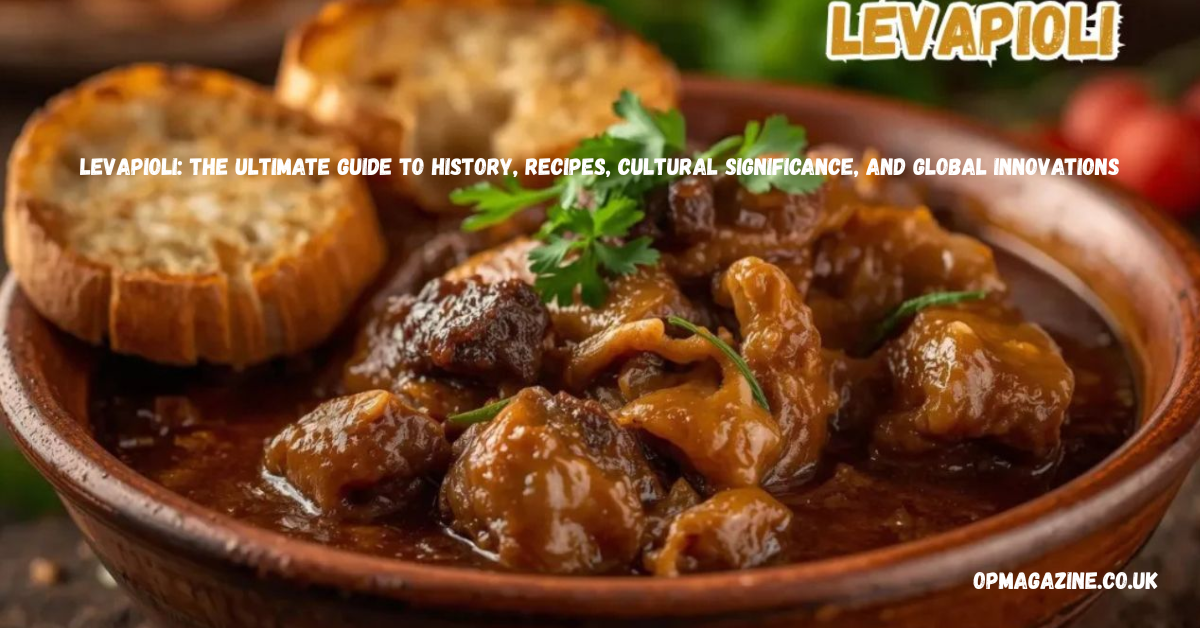
Levapioli is more than just a dish — it’s an edible emblem of Balkan culinary heritage that has captivated food lovers worldwide. This beloved grilled meat delight brings together tradition, flavor, cultural identity, and community spirit. Whether you encounter it in Sarajevo’s street food markets, at family gatherings in rural villages, or on menus in cosmopolitan cities, levapioli offers a delicious lens into a rich cultural past and a vibrant modern evolution.
In this comprehensive guide, we’ll explore what levapioli truly is, its origins and cultural significance, traditional and modern recipes, regional variations, global influence, and why it deserves a spot on your culinary bucket list.
Introduction: What is Levapioli?
Levapioli — sometimes spelled levapoli or associated with its better-known Balkan cousin ćevapi/ćevapčići — refers to grilled minced meat sausages traditionally found in Southeast Europe. Although the exact term levapioli may be less widespread than ćevapi, the dish it describes is unmistakable: juicy, hand-shaped minced meat grilled over charcoal or open flame, served with flatbread and simple but flavorful accompaniments.
This dish is beloved not only for its irresistible smoky flavor but also for its cultural resonance, bringing people together around food and tradition. Many Balkan countries, especially Bosnia and Herzegovina and Serbia, consider variations of this dish national culinary treasures.
Origins and Historical Background
Ottoman Influence and Balkan Evolution
The history of levapioli almost inseparably overlaps with the broader family of grilled meat sausages known as ćevapi or ćevapčići. These trace their roots back to the Ottoman Empire, which dominated the Balkans for centuries. Ottoman culinary influence brought kebabs and various grilling techniques, which local communities adapted into unique forms of minced meat sausages — ultimately giving rise to what we now know as levapioli/ćevapi.
Over time, as villages, towns, and regions adapted the dish to local tastes, levapioli became a fixture of street food culture and home cooking alike. The simplicity of its ingredients — quality minced meat, salt, pepper, and garlic — reflects centuries-old traditions of resourcefulness and communal eating.
The Social History of Levapioli
Levapioli’s early popularity stemmed from its versatility and ease of preparation. In the 19th and early 20th centuries, cities like Leskovac (in Serbia) became hotspots for grilled meat eateries that served variants of this dish alongside drinks and conversation. From these urban centers, the recipe spread throughout the Balkans, with each region adapting the basic concept to fit local meat preferences, spices, and customs.
Whether at bustling markets or quiet family breakfasts, levapioli became more than food — it became a social connector.
Traditional Levapioli Recipes and Ingredients
Essential Ingredients
At its core, traditional levapioli relies on a minimalist but carefully balanced ingredient list:
- Minced meat: typically beef, lamb, pork, or a mixture depending on local dietary norms.
- Salt & black pepper: grounding seasonings that bring out the meat’s natural flavor.
- Garlic: adds depth and aromatic richness.
- Optional spices: paprika or parsley in some variations.
Unlike sausages with casings, levapioli are hand-shaped, skinless cylinders — each typically grilled over charcoal to achieve a slightly charred exterior and juicy interior.
Preparation Method
Preparing levapioli traditionally involves:
- Mixing the meat: Combine selected minced meats with seasonings.
- Resting: Let the mixture rest so flavors meld.
- Shaping: Form hand-shaped cylinders approximately 3–5 inches long.
- Grilling: Cook over charcoal for the signature smoky taste.
This method celebrates simplicity and purity of flavor — where meat quality, heat control, and grill mastery make all the difference.
Traditional Serving Style: The Complete Levapioli Experience
Levapioli is rarely eaten in isolation — it’s about the whole experience.
Flatbread (Lepinja or Somun)
This soft, warm bread acts as both vessel and palate cleanser, soaking up rich meat juices without overpowering the flavor. In Sarajevo, it’s often called somun, while in other parts of the Balkans it’s referred to as lepinja.
Chopped Raw Onions
A classic accompaniment, chopped onions bring crispness and a hint of sharpness that contrasts beautifully with the smoky, juicy meat.
Ajvar and Other Condiments
Ajvar — a roasted red pepper and eggplant condiment — adds tang, sweetness, and depth, creating a delightful balance. Other sides like kajmak (a creamy dairy spread), sour cream, or pickled vegetables may also be served, depending on regional preference.
Regional Variations: How Different Areas Make Levapioli
While the essential concept of levapioli (or ćevapi) remains consistent, subtle regional differences enrich the dish’s identity.
Bosnian Ćevapi – The Gold Standard
Bosnian levapioli are often made from two types of beef, hand-mixed and formed traditionally with a funnel. This variety respects the predominantly Muslim population’s avoidance of pork and prioritizes rich, layered beef flavor.
Some regional styles, like Banjalučki ćevapi, feature connected chains of meat pieces — considered a regional pride variant.
Serbian Ćevapčići – Classic Street Food
Serbian versions may include a mix of beef, lamb, and pork. Leskovac, Serbia, is particularly famous for these grilled sausages, known for their slightly thinner shape and intensely smoky flavor.
These are often served with somun/lepinja, raw onions, ajvar, and sour cream — sometimes even hot peppers for those who enjoy spice.
Balkan and Neighboring Adaptations
Across Bulgaria, Croatia, Slovenia, and beyond, local adaptations include variations in spices (like cumin in Bulgaria) or texture (slightly softer or firmer meat), showcasing the dish’s flexibility.
Modern Interpretations and Creative Twists
Levapioli is far from frozen in tradition. Today, chefs and home cooks are reinventing it with creative twists that honor the classic while attracting global taste buds.
Global Fusion Variations
Innovative versions now incorporate Mediterranean herbs like rosemary or oregano, while in North and South America chefs experiment with sauces like chimichurri or Mexican spices.
Asian interpretations might use ginger or soy-based marinades, showing how levapioli’s simple base welcomes bold global flavors.
Vegetarian and Vegan Versions
Modern adaptations increasingly include plant-based levapioli — using lentils, chickpeas, or textured vegetable proteins seasoned with traditional Balkan spices, allowing non-meat eaters to enjoy similar textures and tastes.
Gourmet Presentations
Upscale restaurants around the globe now present artisanal levapioli with artistic plating — paired with microgreens, gourmet dips, and wine — turning a humble street food into fine dining.
Levapioli in Festivals and Community Events
Levapioli isn’t just food — it’s a community celebration.
Street Festivals and Grill Competitions
Across the Balkans, especially in Serbia’s Leskovac and Bosnian towns, annual grill festivals showcase levapioli alongside other traditional meat dishes. Chefs compete for best recipes and attract locals and tourists alike.
These festivals are sensory experiences — aromatic smoke, sizzling grills, live music, and shared meals that bring people together.
Cultural Celebrations and Family Gatherings
Levapioli is a staple at weddings, holidays, and large family feasts — a dish that literally and figuratively feeds community bonds.
Global Spread and Cultural Adaptations
Migration and cultural exchange have carried levapioli far beyond Balkan borders.
Across Europe and Beyond
In Germany, Austria, and the UK, Balkan diaspora communities have introduced levapioli into local food scenes — where it’s served in pubs, markets, and food trucks.
In Australia and North America, versions wrapped in pita or served as sliders reflect local taste adaptations.
Fusion and Cross-Cultural Appeal
From Mexican-style levapioli tacos to South Korean gochujang-marinated variants, this dish is reshaping itself with global influences while retaining its heritage soul.
Sample Levapioli Recipe (Traditional)
Here’s a detailed recipe so you can recreate authentic levapioli at home:
Ingredients:
- 500g ground beef
- 500g ground lamb
- 1 finely grated onion
- 3 minced garlic cloves
- 1.5 tsp salt
- 1 tsp black pepper
- ½ tsp paprika (optional)
Instructions:
- Combine all ingredients in a large bowl and hand-mix until tacky.
- Cover and refrigerate for at least 1 hour.
- Shape into ~3-inch cylindrical patties.
- Grill over medium-high heat for 4–5 minutes per side until browned.
- Serve hot in warm flatbread with onions, ajvar, and yogurt.
This recipe keeps it traditional while allowing room for personalization.
Why Levapioli Should Be on Your Culinary Bucket List
Levapioli captures the spirit of Balkan cuisine — simple yet profound, hearty yet nuanced. Every bite offers:
- Rich history and cultural depth rooted in centuries of tradition.
- Complex yet approachable flavors that appeal to diverse palates.
- Versatility — from street food to gourmet tables.
- Community and connection, turning meals into shared experiences.
Trying levapioli means more than tasting a dish — it’s a connection to culture, place, and people.
Conclusion
Levapioli stands as a testament to how food can preserve history while embracing modern innovation. Its deep cultural roots, simple yet flavorful recipe, and global adaptations make it a dish worth exploring. From family feasts in the Balkans to gourmet fusion menus across the world, levapioli continues to tell stories of tradition, transformation, and human connection.
Whether you cook it at home, taste it on the streets of Belgrade, or sample a fusion take in New York, levapioli is an unforgettable culinary experience — one that remains deeply rooted in heritage while constantly evolving for new generations.
FAQs
1. What exactly is levapioli?
Levapioli refers to a grilled minced meat dish originating from the Balkans, closely related to ćevapi or ćevapčići, made of seasoned minced meat and served with flatbread and traditional condiments.
2. Is levapioli the same as ćevapi?
Yes — levapioli is often considered a variation or synonym of the traditional Balkan dish ćevapi/ćevapčići, sharing similar preparation and ingredients.
3. Can levapioli be vegetarian?
Modern versions use lentils, chickpeas, or plant-based proteins to mimic the texture and flavor of the original, making vegetarian levapioli possible.
4. What should I serve with levapioli?
Traditionally, it’s served with lepinja or somun (flatbread), raw onions, ajvar, and sometimes yogurt or sour cream.
5. Where can I try authentic levapioli?
Look for Balkan restaurants, festivals, or food markets in major cities, especially those with Eastern European communities.
Leave a Reply