Ciulioneros — a name that resonates with history, endurance, and cultural pride — encapsulates a story of transformation from adversity to resilience. By weaving together the island’s historical journey, cultural identity, sustainable initiatives, and culinary traditions, this guide explores what makes Ciulioneros unique and worldworthy. Not merely survivors of history, they have become architects of heritage, healers of community wounds, and custodians of hope.
Introduction
Nestled in the northern reaches of the Calamian Archipelago, Culion Island in Palawan, Philippines is a place where history meets hope. Once the site of one of the world’s largest leper colonies, it has evolved into a thriving community that reclaims its past while shaping a future rooted in culture, conservation, and cuisine. This is the story of the Ciulioneros — an identity that transcends geography and speaks to cultural resilience and sustainable progress.
In this comprehensive guide, you’ll discover:
- The historical foundations of Ciulioneros
- How they’ve transformed stigma into strength
- Their unique culinary heritage
- The cultural and ecological initiatives shaping their present
- How their legacy inspires communities worldwide
Who Are the Ciulioneros?
The term “Ciulionero” refers to the people of Culion Island — a blend of indigenous traditions, colonial influences, and the lived experiences of generations who endured and overcame leprosy-related stigma. They are more than residents; they are guardians of heritage, healing, and hope.
Ciulioneros largely trace their roots to a tapestry of cultural influences: the indigenous Tagbanwa and Cuyonon groups, early Spanish settlers, and families connected through the island’s leprosy history. Their community identity is shaped profoundly by centuries of adaptation and resilience.
Despite being born from adversity, Ciulioneros embody a collective spirit centered on dignity, respect, and preservation — turning narratives of exclusion into ones of inclusion. Their lived experience and cultural memory now empower not just local lives but offer universal lessons on community healing and cultural preservation.
Historical Journey of Culion and Its People
Indigenous Foundations and Colonial Influences
Long before Culion became synonymous with leprosy, the island was part of thriving indigenous networks. Groups like the Tagbanwa and Cuyonon lived in harmony with nature, depending on fishing, farming, and coastal trade. These early inhabitants had their own belief systems and customs that informed their way of life long before external forces reshaped the region.
Spanish missionaries arrived in the 17th century, introducing Christianity and integrating European cultural elements into local systems. Structures like La Immaculada Concepcion Church — built from coral stones sourced from the old Fort Culion — remain visible testaments to this era.
The Leper Colony Era (1906–2006)
In 1906, under American colonial administration, Culion was designated as a leper colony — a place of isolation originally meant to contain Hansen’s disease (leprosy). The first patients arrived on May 27, 1906, marking the beginning of a chapter that would reshape the island’s identity.
Over decades, thousands of individuals diagnosed with leprosy were brought to Culion from across the Philippines. During the peak years in the 1920s and 1930s, the island’s population swelled to around 7,000 patients.
Though intended to segregate the disease, the colony became a self-sustaining society where residents built homes, markets, schools, and institutions. The Culion Leper Colony also became a focal point for medical research, attracting scientists and professionals working toward better understanding and treatment of Hansen’s disease.
Despite the heavy stigma and isolation, many residents formed families and deep community ties. This human story — of pain and connection — shapes the identity of modern Ciulioneros.
From Colony to Community
Medical advances in the mid-20th century, including multi-drug therapy in the 1980s, helped significantly reduce active leprosy on the island. By 2006, Culion was officially declared leprosy-free, a watershed moment that transformed the island from a place of exclusion into one looking forward to community and inclusion.
The transformation from a sanitarium to a regular municipality was formalized through legislation allowing residents to elect leaders and manage local resources, marking the end of colonial health service oversight.
Cultural Heritage and Community Life
While its past is marked by struggle, Culion’s present celebrates cultural richness and community solidarity.
Oral Histories and Storytelling
Elders and families on the island preserve the collective memory of Ciulioneros through oral histories — recounting tales of separation, courage, love, and resilience. These narratives are passed down through generations, connecting the community with its roots.
Festivals, Rituals, and Reaffirmation of Identity
Festivals such as the Kultura Festival celebrate Ciulioneros heritage through song, dance, food, and traditional attire. These events serve not only as festivities but as affirmations of identity — powerful reminders of shared experience and cultural continuity.
Cultural Landmarks
Key historical sites like the Culion Museum and Archives document the island’s history with detailed exhibits of medical records, photos, and artifacts. La Immaculada Concepcion Church and remnants of Fort Culion also stand as vibrant reminders of the island’s layered past.
Ciulioneros and Eco-Tourism
Today, Ciulioneros are at the forefront of transforming their history into a tourism experience rooted in sustainability and education.
Emerging Tourist Destination
Culion is often described as a quiet alternative to mainstream Philippine tourist spots due to its rich heritage, lack of overcrowding, and opportunities for responsible exploration.
Heritage walking tours — including visits to former hospitals, churches, and preserved sites — invite visitors to engage meaningfully with the island’s past.
Conservation and Eco-Stewardship
Despite minimal large-scale resorts or tourist infrastructure, local initiatives focus on ecological integrity: coral reef protection, sustainable fishing practices, and mangrove rehabilitation. These efforts help preserve biodiversity while generating community-led economic opportunities.
Community-Focused Tourism
Many Ciulioneros are trained as eco-tourism guides, offering context-rich experiences that blend history, culture, and environmental education. Home stays and family-run guesthouses provide sustainable accommodations, while ensuring tourism benefits local livelihoods directly.
Culinary Heritage of Ciulioneros
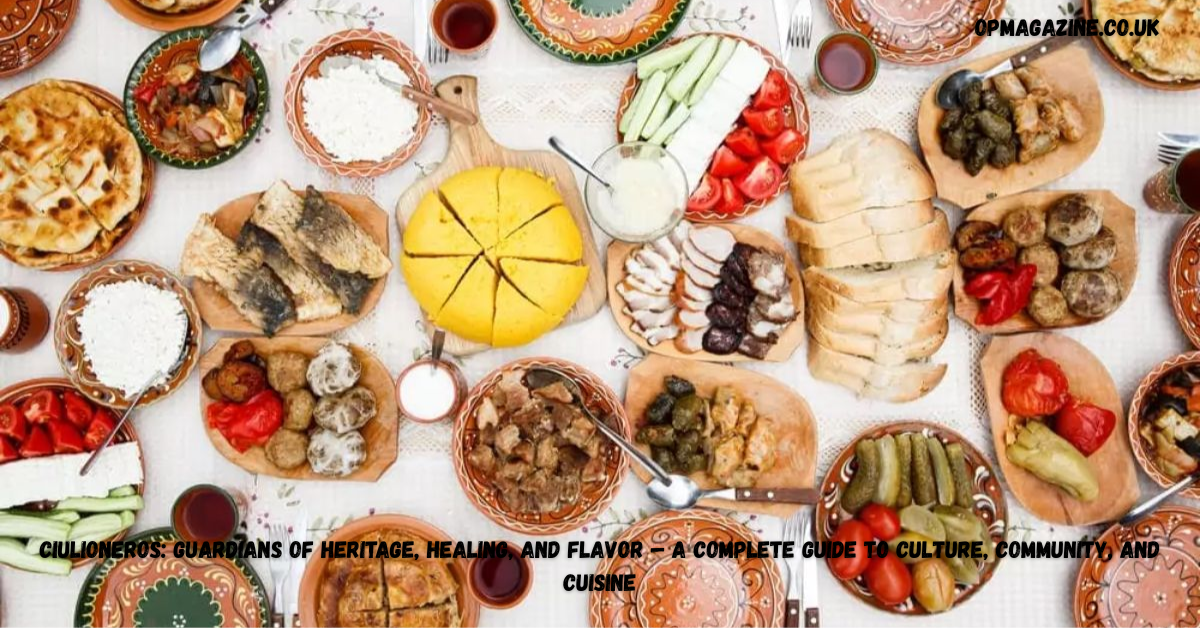
Food is a vibrant expression of Ciulioneros identity — a tapestry woven from indigenous ingredients, colonial spices, and local creativity.
Historical Influences
Culion’s cuisine bears influence from indigenous Palawan food culture and Spanish colonial flavors. Ingredients such as seafood, coconut, native herbs, and local produce form the foundation of many traditional dishes.
Key Ingredients and Cooking Methods
- Seafood such as fish, squid, and shellfish dominate coastal tables.
- Herbs and spices, combined with garlic, onions, and native chilis, infuse dishes with depth.
- Techniques include grilling, slow-cooking in clay pots, and braising to preserve authentic flavors.
Traditional Dishes and Modern Twists
Local favorites include seafood stews simmered with coconut milk, grilled fish with tangy dipping sauces, and hearty meat dishes enhanced with native herb blends.
Modern chefs are now fusing traditional flavors with contemporary presentation, reimagining classic dishes while retaining their heritage.
Cultural Significance and Festivals
Food plays a central role in local festivals and family celebrations, where recipes are shared, stories are told, and community bonds deepen. Culinary contests and food fairs further elevate Ciulioneros cuisine, celebrating its diversity and historical depth.
Botanical Significance
While Ciulioneros plant lore, including bioluminescent species, remains largely anecdotal, Palawan’s biodiversity is remarkable, especially in marine and island ecosystems. Culion Island and the surrounding Calamian Archipelago are home to hundreds of fish species, including groupers, snappers, and shellfish, supporting local diets and fishing livelihoods.
Real Stories and Modern Contributions
Real life on Culion blends history and modernity. Ciulioneros share their stories through museums, festivals, and daily life in entrepreneurship, storytelling, and innovation.
Local Enterprises and Innovation
From handcrafted tikog mats and jewelry to digital storytelling platforms, Ciulioneros are entrepreneurial custodians of culture.
Youth Advocacy and Digital Narratives
Young Ciulioneros use podcasts, blogs, and social media to share island narratives — bridging generations and ensuring that heritage evolves with the digital era.
How Ciulioneros Inspire the World
Ciulioneros embody lessons that extend beyond geography:
- Healing through shared narratives
- Preserving culture while embracing change
- Sustainable community development over exploitative tourism
- Unity through shared identity
Their journey from exclusion to empowerment is a universal blueprint for communities seeking to preserve history without being defined by pain alone.
FAQs
What makes Ciulioneros unique?
Their identity is a blend of cultural heritage, shared history of resilience, and community-centered initiatives in heritage preservation and eco-tourism.
Can anyone become a Ciulionero?
Traditionally, it’s rooted in the people of Culion Island, but anyone who honors their heritage, supports cultural preservation, and engages respectfully with their community embodies the spirit of Ciulioneros.
What industries do Ciulioneros thrive in?
Tourism, heritage conservation, sustainable local businesses, craftsmanship, and culinary arts.
What should I do when visiting Culion?
Explore the Culion Museum and Archives, visit historical sites like La Immaculada Concepcion Church, join eco-tours, and savor local cuisine — all while respecting local culture and ecology.
onclusion
The story of Ciulioneros is not merely historical; it’s a living legacy of transformation, culture, and community resilience. From a once-isolated leper colony to a vibrant cultural destination, Ciulioneros have redefined what it means to heal — physically, socially, and spiritually.
Their heritage isn’t locked in the past; it’s etched into festivals, community life, culinary expression, and sustainable futures. By honoring their past and embracing the future, Ciulioneros remind us that no story of adversity is too heavy to shape a legacy of hope.
Leave a Reply